Optimize Cage Design And Egg Roll Out Efficiency
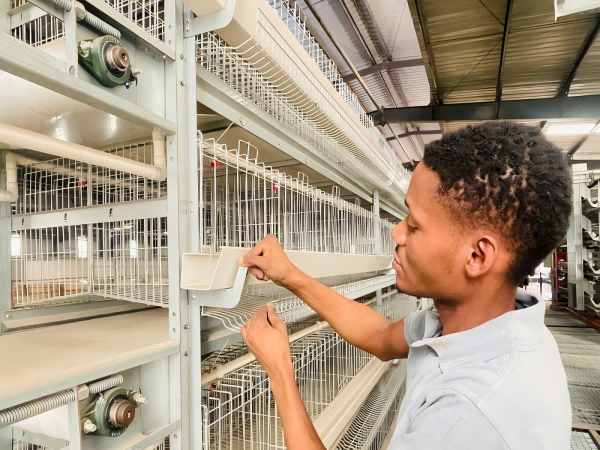
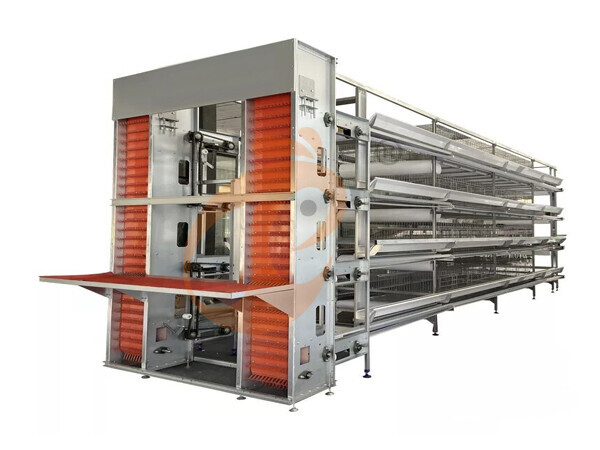
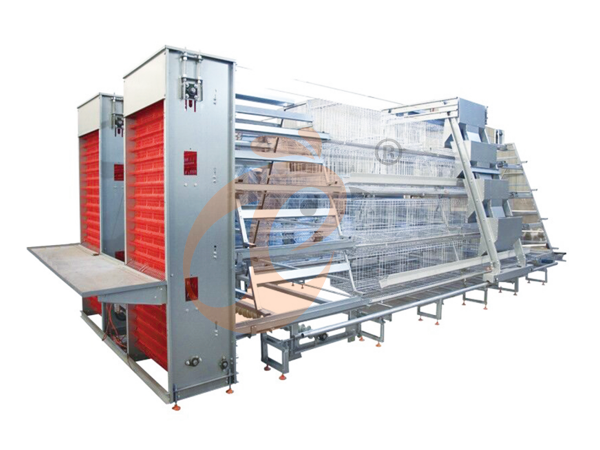
Proper structural calibration of H-frame chicken cage systems directly determines egg movement efficiency.
In Ethiopian workshops, minor deviations in slope and welding precision often result in egg retention and shell damage.
Correcting these parameters ensures smoother egg roll-out and reduces manual intervention during peak laying hours.
Data is for reference only.Swipe horizontally to view full table.
| Parameter | Recommended Range | Common Local Issue | Impact On Egg Collection |
| Cage Floor Slope | 7°–9° | Slope below standard | Egg stagnation occurs |
| Wire Diameter (Mm) | 2.2–2.5 mm | Thin wire usage | Shell cracks increase |
| Egg Tray Lip Height (Cm) | 4–5 cm | Insufficient height | Egg drop risk increases |
| Cage Depth (Cm) | 45–50 cm | Uneven dimensions | Rolling inconsistency |
| Surface Smoothness | Uniform finish | Rough weld joints | Egg damage during roll |
Implement Semi Automated Egg Collection Systems
Adopting semi-automated systems improves operational consistency in egg collection in Ethiopian farms.
Solar-supported belt mechanisms are particularly effective in regions with unstable electricity supply.
Investment in such systems typically ranges between 120,000 to 250,000 Ethiopian Birr depending on farm scale (European union standard reference only).
Data is for reference only.Swipe horizontally to view full table.
| Method | Labor Requirement | Egg Breakage Rate | Initial Cost (Ethiopian Birr) | Suitability In Ethiopia |
| Manual Hand Collection | High labor input | 6–10% | 20,000–40,000 | Common practice |
| Tray Based Rolling | Moderate labor | 4–6% | 50,000–80,000 | Widely used |
| Belt Semi Automation | Reduced labor | 2–4% | 120,000–250,000 | Increasing adoption |
| Full Automation | Minimal labor | Below 2% | Above 400,000 | Limited application |
Improve Lighting Management For Consistent Laying Patterns
Stable lighting schedules are essential for synchronized egg production.
In Ethiopia, solar LED systems are increasingly used to compensate for unreliable grid supply.
Maintaining consistent photoperiods ensures eggs are laid within predictable windows, simplifying collection.
Data is for reference only.Swipe horizontally to view full table.
| Age Of Layers (Weeks) | Light Duration (Hours Per Day) | Light Intensity (Lux) | Recommended Source |
| 18–22 | 14 | 10–15 | LED with solar backup |
| 23–40 | 15 | 10–12 | LED lighting |
| 41–72 | 16 | 8–10 | LED lighting |
| 73+ | 16 | 6–8 | LED lighting |
Control Environmental Conditions Inside Poultry Houses
Environmental management plays a decisive role in egg quality and collection outcomes.
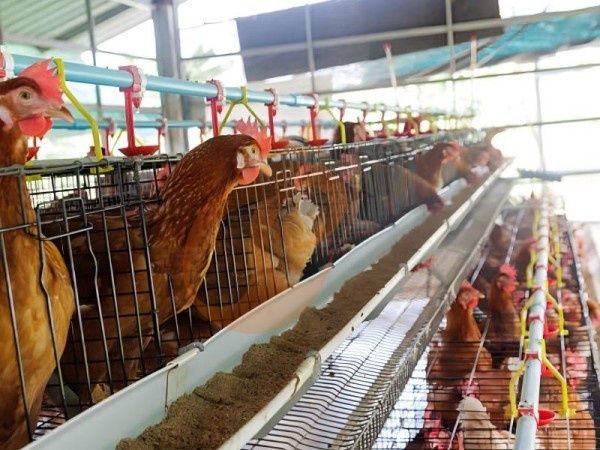
Dust, heat stress, and poor ventilation are common in Ethiopian poultry houses, especially in dry regions.
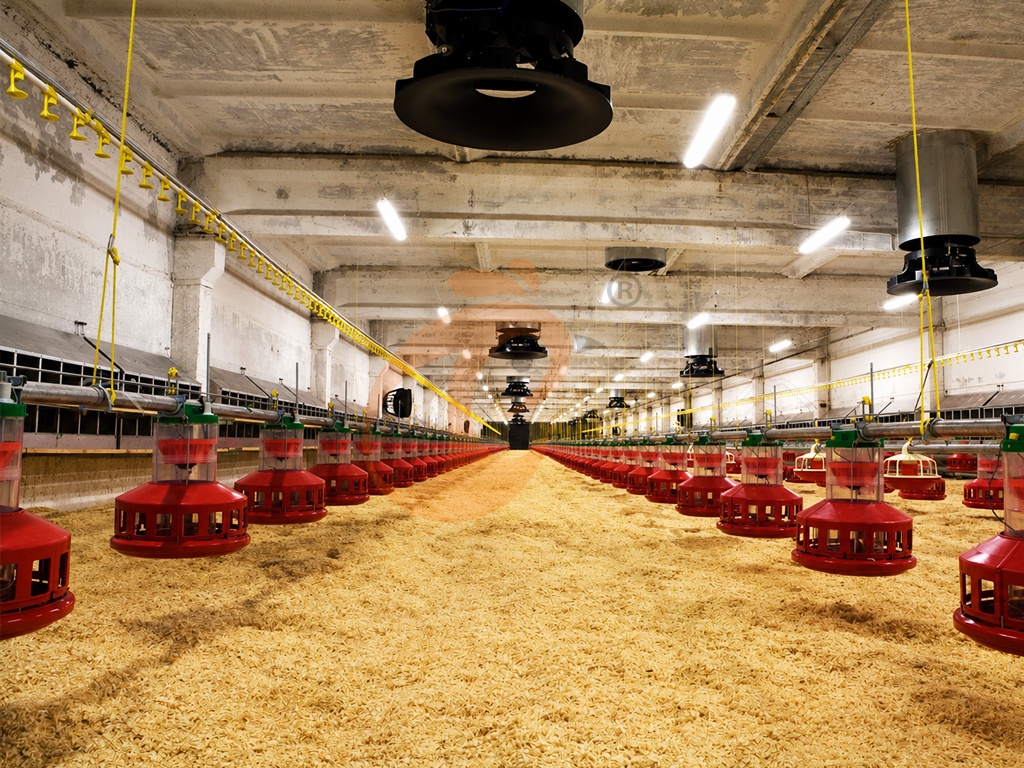
Improving airflow and maintaining stable internal conditions strengthens eggshell integrity and reduces collection losses.
Data is for reference only.Swipe horizontally to view full table.
| Factor | Optimal Range | Common Local Challenge | Suggested Solution |
| Temperature (°C) | 18–24 | High ambient heat | Ventilation with fans |
| Humidity (%) | 50–70 | Dry air conditions | Water misting systems |
| Dust Level | Controlled | High dust presence | Routine cleaning |
| Ammonia (Ppm) | Below 20 | Waste accumulation | Frequent manure removal |
| Airflow (M/S) | 2–3 | Limited circulation | Open sided housing |
Standardize Egg Collection Timing And Workforce Training
Structured scheduling significantly improves egg collection in Ethiopian operations.
Workers should follow fixed time intervals aligned with peak laying periods.
Training programs enhance handling techniques and reduce breakage during manual processes.
Data is for reference only.Swipe horizontally to view full table.
| Time Slot | Purpose | Expected Egg Volume (%) |
| 8:00–9:00 Am | Peak laying collection | 50–60% |
| 11:00–12:00 Pm | Secondary collection | 25–30% |
| 3:00–4:00 Pm | Final collection | 10–15% |
Data is for reference only.Swipe horizontally to view full table.
| Metric | Target Value | Current Average In Ethiopia |
| Eggs Collected Per Hour | 800–1000 | 500–700 |
| Breakage During Handling | Below 3% | 5–8% |
| Worker Per 1000 Layers | 1–1.5 | 2–3 |
Improve Feed Quality And Calcium Balance
Feed formulation directly affects eggshell strength and production consistency.
In Ethiopia, variability in maize and soybean supply impacts nutrient balance.
Supplementing calcium through local limestone sources helps maintain shell durability.
Data is for reference only.Swipe horizontally to view full table.
| Nutrient | Optimal Level (%) | Common Local Level (%) | Impact On Eggs |
| Crude Protein | 16–18 | 14–16 | Reduced egg size |
| Calcium | 3.5–4.2 | 2.8–3.2 | Weak shell formation |
| Phosphorus | 0.45–0.6 | 0.3–0.4 | Shell defects observed |
| Energy (Kcal Per Kg) | 2700–2900 | 2500–2700 | Lower laying rate |
Monitor And Record Egg Collection Data
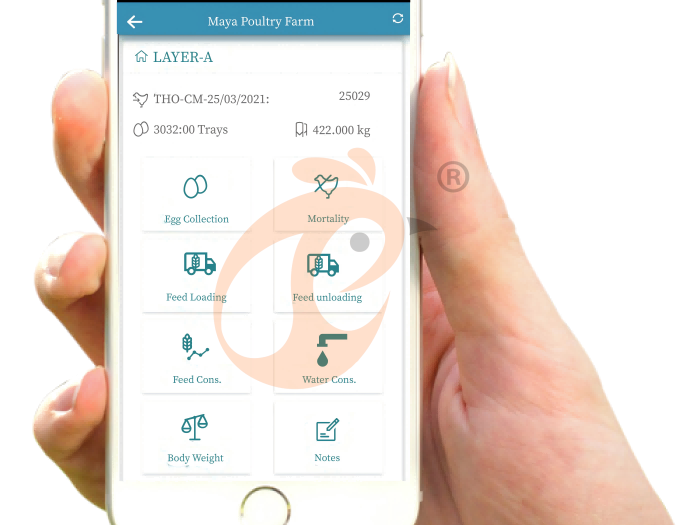
Data tracking supports performance optimization in modern poultry farm systems.
Even small Ethiopian farms can adopt simple record-keeping methods to monitor productivity trends.
Consistent evaluation helps identify inefficiencies in egg collection and cage utilization.
Data is for reference only.Swipe horizontally to view full table.
| KPI | Target Value | Importance |
| Hen Day Egg Production (%) | 85–95 | Measures productivity |
| Egg Breakage Rate (%) | Below 3 | Indicates handling efficiency |
| Dirty Eggs (%) | Below 5 | Reflects hygiene level |
| Eggs Per Cage Per Day | 0.85–0.95 | Evaluates cage performance |
Integrate Local Resource Planning With Egg Collection Strategy
In Ethiopia, aligning egg collection systems with locally available resources improves long-term operational stability.
For example, farms near Addis Ababa can integrate brewery by-products such as spent grain into feed strategies, indirectly improving eggshell strength and reducing breakage during collection.
In rural Oromia, water availability should guide cleaning frequency of H-frame chicken cage systems to control dust accumulation affecting egg hygiene.
Additionally, labor allocation should consider seasonal agricultural cycles, ensuring sufficient workforce during peak harvesting periods.
These localized adjustments can improve egg collection efficiency by approximately 6–9 percent based on regional farm observations.
Frequently Asked Questions
Q1: Is H type chicken cage suitable for Ethiopian climate conditions?
A1: Yes, H-frame chicken cage systems are suitable when ventilation and temperature control measures are implemented, especially in hot regions like Afar and Dire Dawa.
Q2: How can small farms in Ethiopia afford semi automation systems?
A2: Farmers can adopt phased investments or cooperative purchasing models, reducing individual cost burdens while improving egg collection efficiency.
Q3: What is the main cause of egg breakage in Ethiopian poultry farms?
A3: The primary causes include weak eggshells due to calcium deficiency and improper cage design affecting egg roll-out performance.
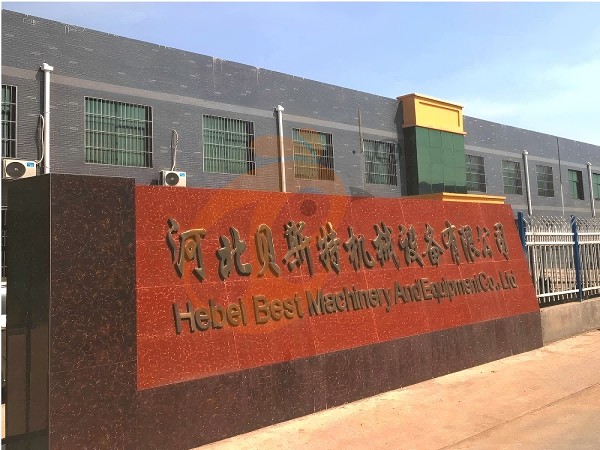
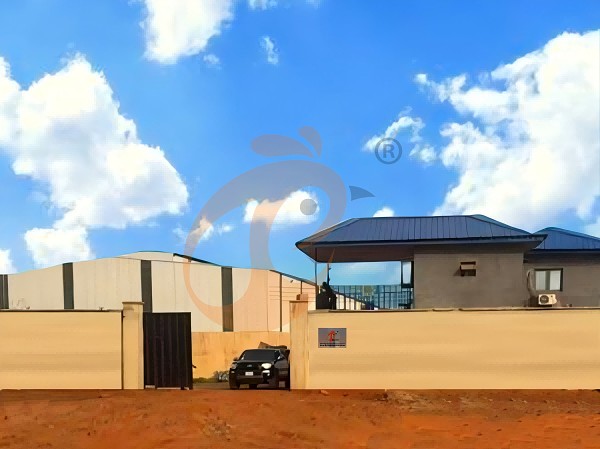
Ethiopia Best Hebei Machinery Manufacturing Plc - One Of Ethiopia Largest Chicken Cage Solution Supplier
Global factory direct supply ensures stable pricing and consistent delivery timelines for poultry farm equipment.
Advanced poultry cage and H-frame chicken cage systems designed for durability and efficiency.
Comprehensive poultry farm equipment solutions tailored to Ethiopian environmental and operational conditions.
Professional Turn-key engineering services covering design, installation, and technical training support.
Strong international experience supporting large scale poultry farm development across multiple regions.