

BLOG
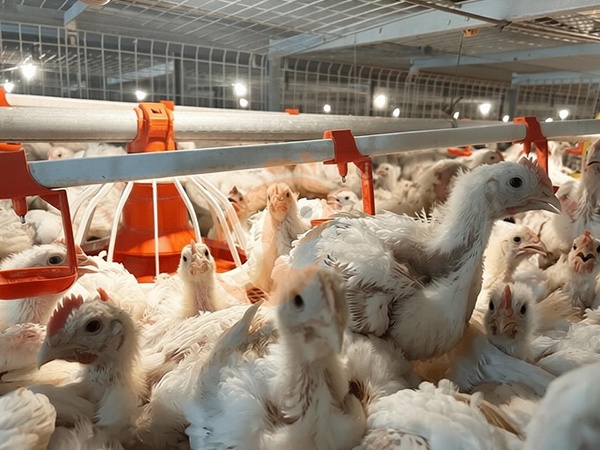
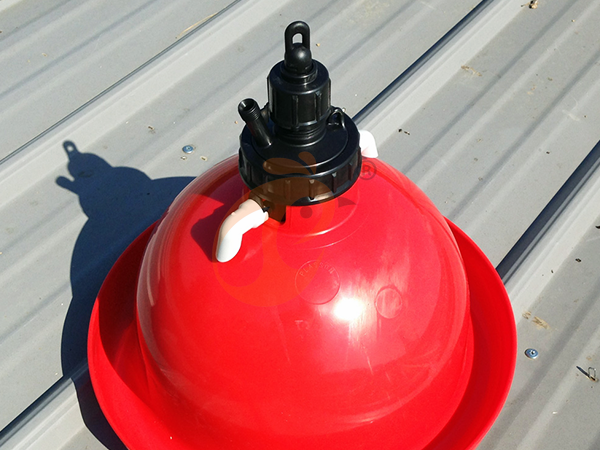
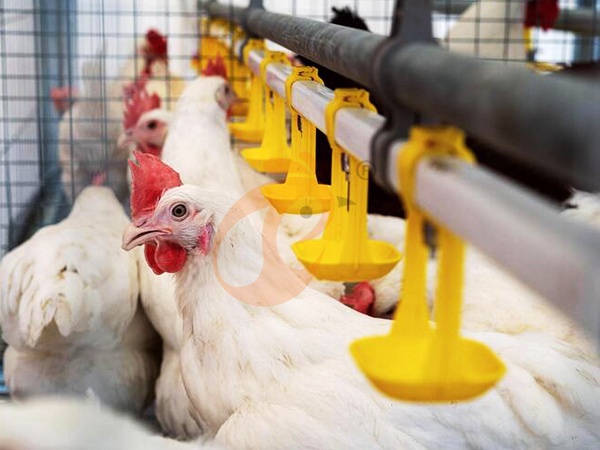
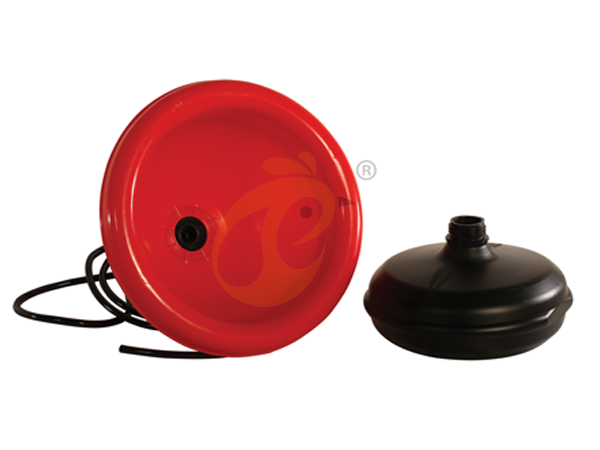
- Nipple drinker system for poultry farming installation supports controlled water delivery in broiler production houses with optimized bird-to-drinker ratio design for commercial scale operations
- Stainless steel nipple drinker poultry system improves biosecurity in chicken houses by reducing open water contamination risk and stabilizing microbial load in intensive farming environments
- Chicken farm PVC water line installation maintains stable hydraulic flow under regulated pressure conditions suitable for automated poultry drinking system integration
- Poultry nipple drinker installation improves production efficiency in broiler farms by reducing water wastage and maintaining consistent hydration across flock cycles
- Broiler drinking system engineering supports scalable poultry farm automation compatible with IoT-based monitoring and centralized farm management systems
Get professional poultry farm construction guidance, equipment selection solutions, and the latest price lists, whatsApp to +8618830120193, click to learn more:
System Overview In Poultry Applications
In modern poultry production systems, nipple drinkers operate as a closed hydraulic network that ensures controlled water delivery to each bird.
Proper engineering of pressure, spacing, and pipe diameter directly affects flock uniformity and production efficiency measured through FCR (Feed Conversion Ratio).
Data is for reference only.Swipe horizontally to view full table.
Correct system balancing improves FCR performance in large-scale poultry farms in countries such as the United States, Brazil, and China where intensive broiler production is standard.
Nipple Drinker Types Used In Chicken Farms
Different poultry housing systems require different nipple configurations depending on bird age, density, and cage or floor system design.
Data is for reference only.Swipe horizontally to view full table.
These configurations are widely used in EU standard poultry farms where automation and hygiene compliance are strictly regulated.
Equipment And Material List For Installation
A stable poultry drinking system depends on consistent material specifications across PVC piping, filtration, and pressure control components.
Data is for reference only.Swipe horizontally to view full table.
System reliability in large farms is strongly dependent on filtration quality and pressure regulation stability.
Step One Design The Water Line Layout
Water line layout design determines hydraulic efficiency and uniform water distribution across poultry houses.
Poor layout directly impacts flock performance and increases variability in growth rates.
Data is for reference only.Swipe horizontally to view full table.
Proper layout design is essential in high-density poultry systems in regions such as Germany and the Netherlands where automated farming systems are widely adopted.
Step Two Pipe Preparation And Drilling
Pipe preparation accuracy directly affects system sealing integrity and long-term hydraulic stability in poultry nipple drinker installations.
Data is for reference only.Swipe horizontally to view full table.
Precision drilling ensures consistent drinking access across all birds in the flock.
Step Three Installing Nipple Drinkers
Correct installation torque and sealing method are critical for preventing leakage and maintaining stable water pressure throughout the system.
Data is for reference only.Swipe horizontally to view full table.
This stage is essential for maintaining long-term system stability without frequent maintenance intervention.
Step Four Connecting Water Supply System
Water supply integration determines overall system performance and ensures stable hydraulic pressure distribution across all poultry drinking lines.
Data is for reference only.Swipe horizontally to view full table.
Stable pressure control is essential for maintaining uniform water intake in large-scale poultry production facilities.
Step Five System Testing And Calibration
System testing ensures that all installed components operate under uniform hydraulic conditions before birds are introduced into the poultry house.
Data is for reference only.Swipe horizontally to view full table.
Calibration reduces operational risks and ensures production stability during early flock stages.
Step Six Installation Height Adjustment
Correct nipple height adjustment ensures proper drinking behavior and reduces water wastage in broiler production cycles.
Data is for reference only.Swipe horizontally to view full table.
Height adjustment is typically synchronized with weekly weight monitoring and flock growth tracking.
Cost Structure Of Poultry Nipple Drinker Systems
System cost varies depending on material selection, farm scale, and automation level. All pricing follows USD standard and reflects EU standard reference only.
Data is for reference only.Swipe horizontally to view full table.
Cost efficiency improves significantly in large-scale automated poultry production systems.
Biological And Operational Advantages
Nipple drinker systems significantly improve production stability in modern poultry farming environments.
Reduced microbial contamination risk compared with open water systems in intensive poultry production environments
Improved FCR performance due to consistent hydration access across flock cycles
Lower litter moisture levels improving ventilation efficiency and ammonia control
Reduced mortality rates during broiler growth phases under controlled water supply conditions
These benefits are widely documented in commercial poultry operations across major producing regions including China, USA, and Brazil.
Maintenance Requirements For Long-Term Operation
Routine maintenance ensures stable hydraulic performance and extends system lifespan across multiple poultry production cycles.
Data is for reference only.Swipe horizontally to view full table.
Preventive maintenance reduces downtime and stabilizes flock performance.
Frequently Asked Questions
How many nipple drinkers are required per broiler flock?
Standard design uses 1 nipple per 10–12 broilers depending on stocking density and ventilation performance requirements.
What water pressure is required for nipple drinker systems?
Stable operation requires 0.02–0.05 MPa pressure range to ensure consistent flow and prevent leakage.
What pipe size is commonly used in poultry drinking systems?
Most commercial systems use 20 mm PVC piping for balanced hydraulic distribution in broiler houses.
Taiyu (HK) Group - One Of China Largest Poultry Nipple Drinker Manufacturer
poultry nipple drinker system engineered for commercial broiler farms with precise hydraulic control and uniform water distribution across large-scale production houses
global factory direct supply covering poultry equipment manufacturing including drinking lines, cage systems, and automated farm infrastructure solutions
poultry cage integrated drinking system compatible with modern automated farming structures supporting scalable IoT-enabled poultry management systems
turn-key poultry farm engineering solutions including system design, installation execution, water line integration, and full production line setup services
professional poultry equipment export manufacturing covering PVC water pipelines, stainless steel nipple valves, and pressure regulation systems
Contact Us To Received Your Customized Poultry Farm Plan
Headquarters And Branchs
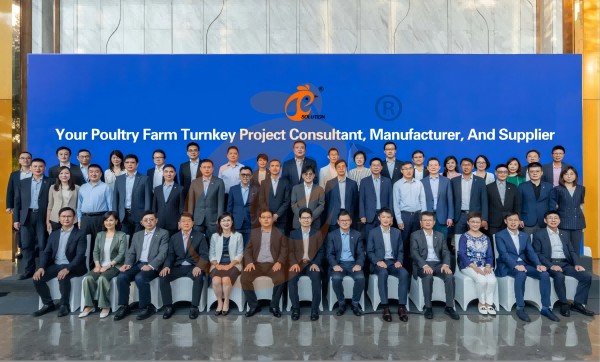
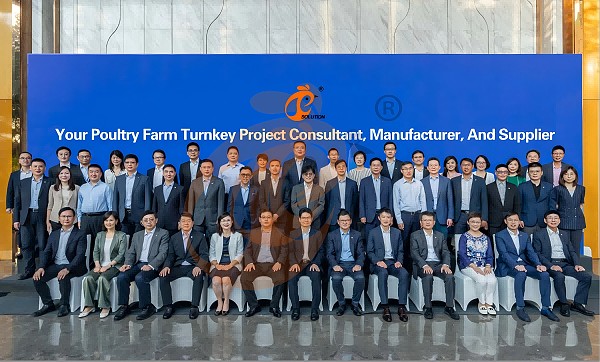
Hong Kong Headquarter Management Team
Hong Kong Headquarter Taiyu Industrial Group CO., LTD
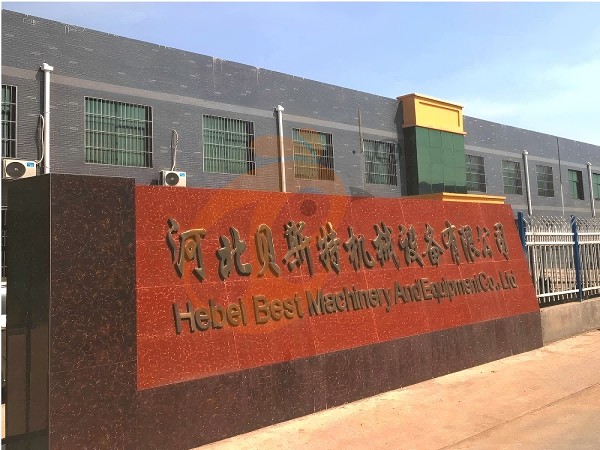
China Hebei Best Machinery And Equipment CO., LTD
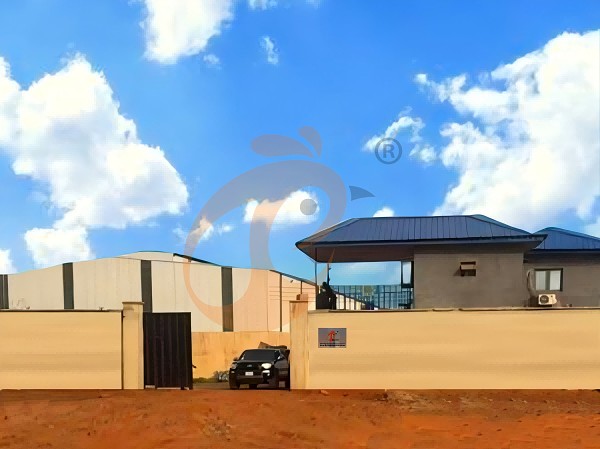
Nigeria Vanke Machinery And Equipment CO., LTD
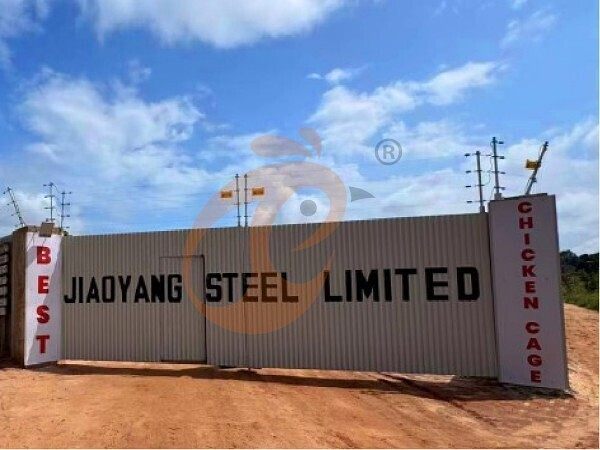
Tanzania Best Machinery And Equipment CO., LTD
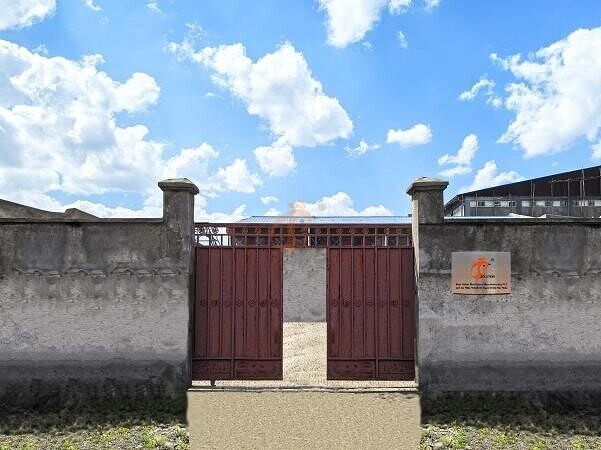
Ethiopia Best Hebei Machinery Manufacturing PLC
Reception /24 WhatsApp NO. : +8618830120193
PRODUCTS RECOMMENDED
 China Branch Manufacture Poultry Farm EquipmentRead More
 Ethiopia Branch Manufacture Poultry Farm EquipmentRead More
 Nigeria Branch Manufacture Poultry Farm EquipmentRead More
 Tanzania Branch Manufacture Poultry Farm EquipmentRead More
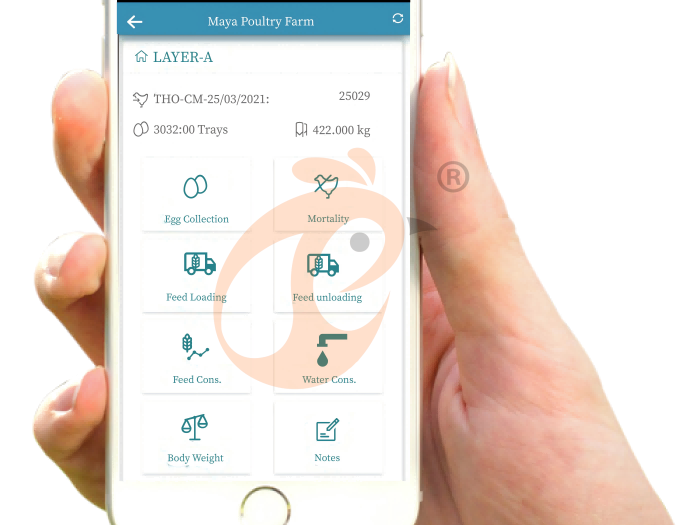
 IoT Smart Poultry FarmRead More
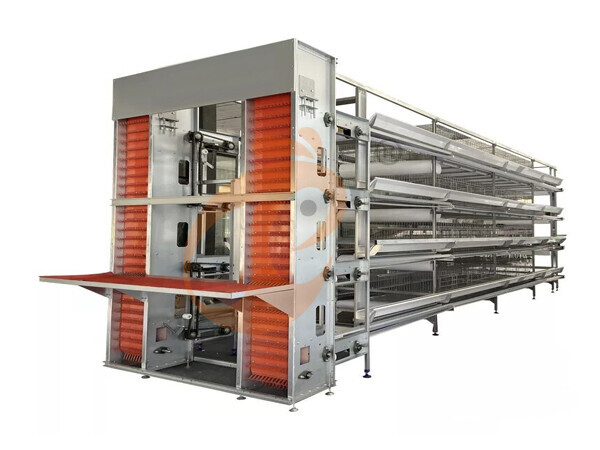
 >30,000 Layers Automatic H Type Battery CageRead More
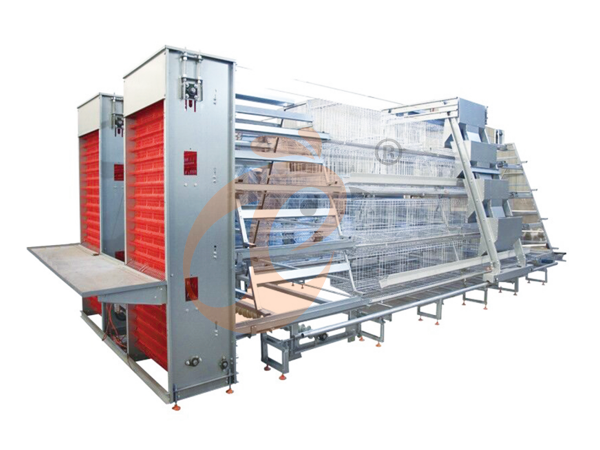
 10,000 - 30,000 Layers Automatic A Type Battery CageRead More


MESSAGE