

NEWS
Layer chicken cage size selection determines commercial poultry efficiency, with modern systems supporting up to 160 hens per cage unit and optimized farm planning.
Automatic layer cage systems combine feeding, drinking, egg collection, and manure handling solutions for reduced labor pressure.
Professional cage dimensions improve space utilization, bird management, and long-term equipment investment value.
Customized poultry equipment designs help farms match building structures, production targets, and expansion plans.
Reliable galvanized cage systems provide durable solutions for farms seeking stable egg output and easier operation.
Get professional poultry farm construction guidance, equipment selection solutions, and the latest price lists, whatsApp to +8618830120193, click to learn more:
Calculate Cage Capacity Based On Layer Cage Structure And Bird Quantity
Modern layer chicken cage systems are available with different tier levels, cage structures, cell numbers, and automation options to maximize building utilization.
A properly designed system can integrate automatic feeding lines, nipple drinking systems, manure removal equipment, and egg collection equipment.
This approach helps reduce manual workload while improving daily farm management.
Data is for reference only. Swipe horizontally to view full table.
Match Cage Dimensions With Hen Breed Requirements
Different layer breeds have different body structures and production characteristics.
Choosing equipment based only on bird quantity may create inefficient space distribution.
Large commercial breeds usually require suitable cell dimensions and stronger cage structures.
A customized layer farming equipment manufacturer can adjust cage design according to breed weight, production cycle, and feeding method.
The goal is to create a balanced environment where birds access feed and water efficiently.
Farm owners should consider adult bird size instead of young pullet dimensions when selecting cage specifications.
The cell size should match the body structure of mature hens to ensure comfortable movement, feeding access, and stable production performance.
Compare Cage Width, Depth, And Height Before Purchase
The internal structure of a cage directly affects operation efficiency.
Unit width influences feeding access and cage arrangement.
Unit depth affects inspection convenience and maintenance operation.
Unit height determines tier arrangement, equipment installation, and worker accessibility.
Professional suppliers normally provide multiple configurations for different poultry house designs.
A high-quality automatic layer cage system can combine cage frames with feeding machines and egg handling systems to create a complete production line.
This type of integrated design reduces installation difficulty and improves project reliability.
Data is for reference only. Swipe horizontally to view full table.
Select Cage Layout According To Chicken House Design
Farm Planning Question
What happens when cage size does not match the poultry house?
The answer is reduced space utilization, difficult installation, and higher operating costs.
A complete equipment supplier evaluates:
- Building length and width.
- Ventilation position.
- Walking aisle requirements.
- Automatic equipment placement.
- Future expansion possibility.
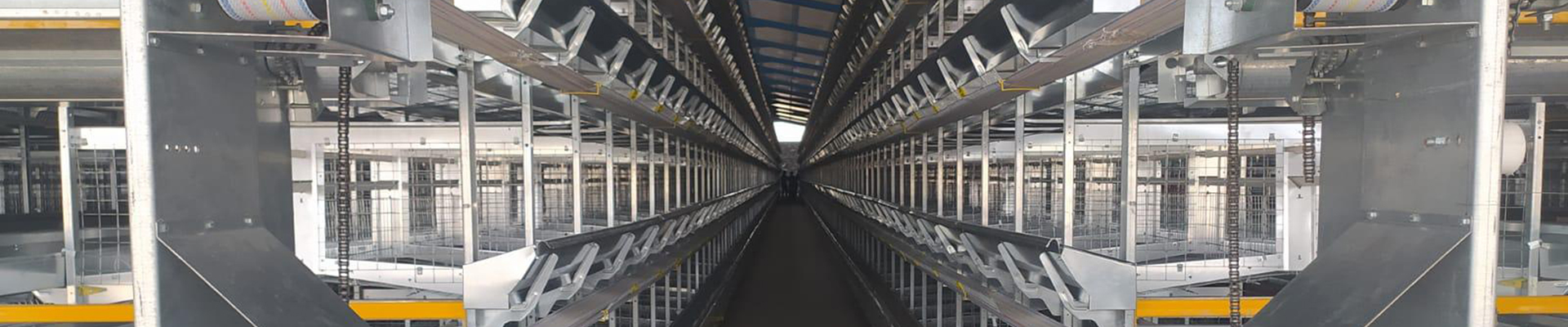
For large-scale projects, H-type cage structures are often selected because vertical space can be effectively utilized.
H-type cage systems provide different tier configurations from 4 tiers to 16 tiers, allowing farms to select suitable capacity according to building height, production targets, and management requirements.
Professional engineering support helps farms avoid unnecessary modification costs after installation.
Evaluate Automation Compatibility For Long-Term Operation
Modern poultry farms require more than basic cages.
Equipment selection should consider future automation upgrades.
A complete solution may include
Automatic feeding machines.
Nipple drinking pipelines.
Egg collection conveyors.
Manure cleaning systems.
Environmental control equipment.
A reliable supplier provides matching components instead of separate products with compatibility problems.
Automation improves production consistency and helps farms reduce dependence on manual labor.
Data is for reference only. Swipe horizontally to view full table.
Balance Investment Cost With Farm Performance
Choosing a layer cage system requires analyzing both purchase cost and operational return.
Low-cost equipment may reduce initial spending but create higher maintenance expenses.
A durable cage structure with corrosion-resistant materials usually provides better long-term value.
For example, hot-dip galvanized components are commonly selected for commercial projects because they improve service durability.
Equipment investment should include installation, spare parts, transportation, and future expansion planning.
European union standard reference only.
Data is for reference only. Swipe horizontally to view full table.
Avoid Common Layer Cage Selection Mistakes
Poor equipment selection usually comes from focusing on short-term savings.
Common problems include:
Mistake One: Choosing maximum capacity without considering management efficiency.
Mistake Two: Ignoring future automation requirements.
Mistake Three: Selecting cage sizes without checking building dimensions.
Mistake Four: Buying equipment without technical installation support.
A professional poultry equipment supplier provides complete project guidance from design to operation.
Customized engineering reduces risks and improves investment results.
Data is for reference only.Swipe horizontally to view full table.
Final Checklist Before Buying Layer Chicken Cage Equipment
Before confirming an order, farms should review every technical detail.
A reliable project evaluation includes:
- Bird quantity calculation.
- Cage structure selection.
- Automation planning.
- Installation requirements.
- Maintenance strategy.
Professional manufacturers can provide customized solutions based on local climate, farm scale, and production objectives.
The right equipment selection creates a stronger foundation for profitable egg production.
Data is for reference only.Swipe horizontally to view full table.
Professional Installation And Technical Support
Selecting a cage supplier is not only about purchasing steel structures.
A complete poultry project requires engineering calculation, equipment integration, and installation support.
Professional manufacturers provide complete layer chicken cage solutions including cage frames, automatic feeding, drinking pipelines, manure systems, and egg collection units.
Integrated design reduces compatibility problems between different equipment suppliers.
Experienced technical teams can adjust the system according to climate conditions, house dimensions, and production requirements.
Data is for reference only.Swipe horizontally to view full table.
How To Choose A Reliable Layer Cage Equipment Supplier
A reliable supplier should provide more than standard products.
Farm owners should evaluate manufacturing ability, engineering experience, export capability, and after-sales service.
A professional poultry equipment company normally supports complete project development from initial planning to final commissioning.
The supplier should understand cage structures, ventilation requirements, feeding technology, and automation integration.
Choosing the right partner helps reduce project risks and improves investment returns.
Key Technical Features For Modern Layer Farming Equipment
Modern commercial farms increasingly use automated systems to improve efficiency.
An advanced layer chicken cage size design works together with feeding machines, drinking systems, manure removal units, and environmental control equipment.
These combined solutions create a more organized production environment.
For large farms, H-type vertical systems are commonly selected because they maximize available building height and support intensive production layouts.
Data is for reference only.Swipe horizontally to view full table.
Frequently Asked Questions
Q1: What factors determine the best layer chicken cage size?
The best cage size depends on flock quantity, chicken breed, building structure, and automation requirements.
Commercial projects often use customized cage dimensions with compartment capacity adjusted according to farm planning.
Q2: Why should farms choose automatic layer cage systems?
Automatic systems reduce manual operation by integrating feeding, drinking, manure removal, and egg collection functions.
A complete automated solution can help farms manage thousands of birds with fewer workers and more consistent production.
Q3: How long can a commercial layer cage system operate?
Service life depends on material quality, corrosion protection, and maintenance conditions.
Hot-dip galvanized structures are commonly selected for commercial farms because many systems are designed for long-term operation exceeding 15 years under proper management.
Taiyu (HK) Group - One Of China Largest Layer Chicken Cage Manufacturer
Layer chicken cage provides integrated commercial poultry housing equipment with engineered cage structures, automation compatibility, and customized farm solutions for global egg production projects
Global factory direct supply delivers poultry equipment with manufacturing control, technical inspection, and international project experience
Turn-key engineering services cover farm planning, equipment configuration, installation guidance, and operational support
Complete poultry equipment solutions include feeding systems, drinking systems, manure removal systems, and egg collection systems
International project cooperation provides customized production lines for different farm capacities and regional requirements
Contact Us To Received Your Customized Poultry Farm Plan
Headquarters And Branchs

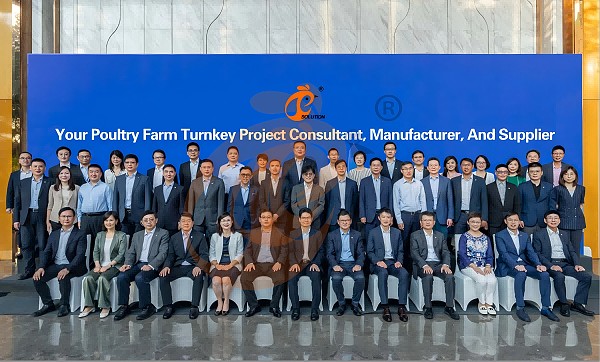
Hong Kong Headquarter Management Team
Hong Kong Headquarter Taiyu Industrial Group CO., LTD
China Hebei Best Machinery And Equipment CO., LTD
Nigeria Vanke Machinery And Equipment CO., LTD
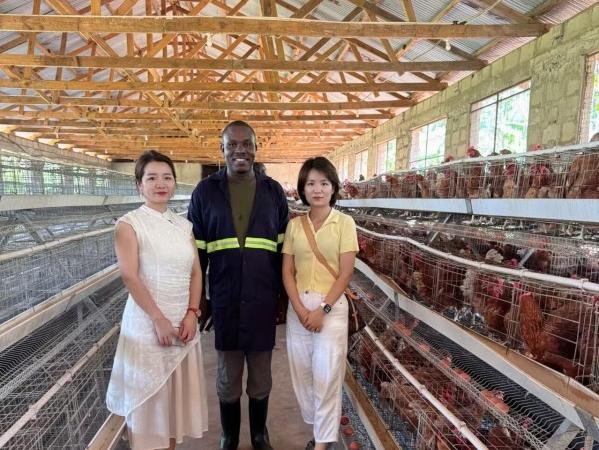
Tanzania Best Machinery And Equipment CO., LTD
Ethiopia Best Hebei Machinery Manufacturing PLC




Reception /24 WhatsApp NO. : +8618830120193
PRODUCTS RECOMMENDED
 China Branch Manufacture Poultry Farm EquipmentRead More
 Ethiopia Branch Manufacture Poultry Farm EquipmentRead More
 Nigeria Branch Manufacture Poultry Farm EquipmentRead More
 Tanzania Branch Manufacture Poultry Farm EquipmentRead More
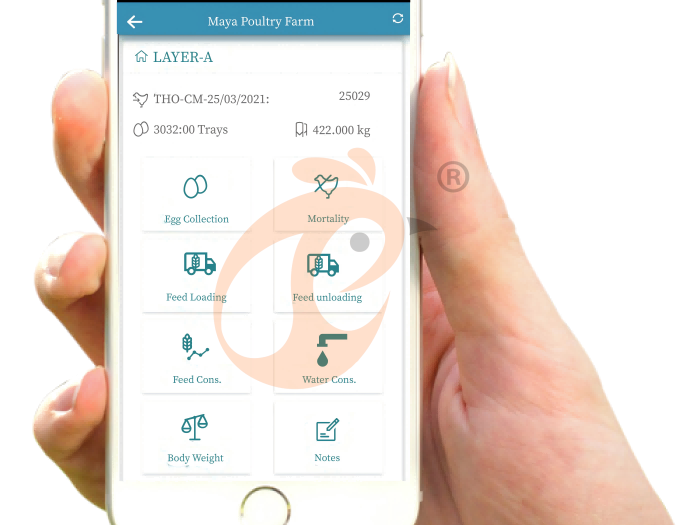
 IoT Smart Poultry FarmRead More
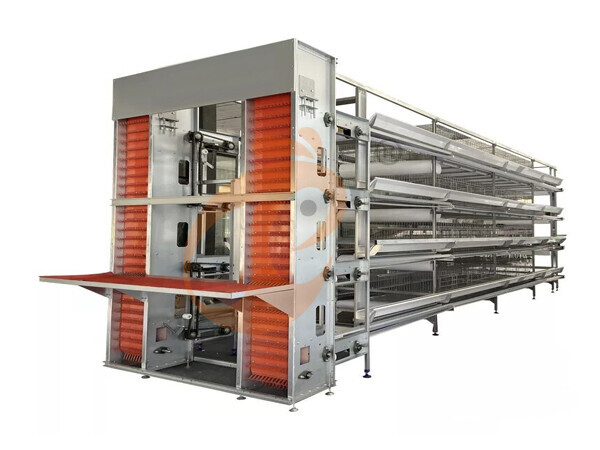
 >30,000 Layers Automatic H Type Battery CageRead More
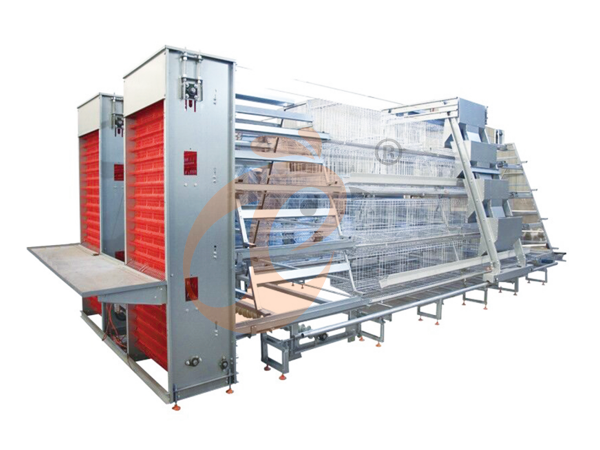
 10,000 - 30,000 Layers Automatic A Type Battery CageRead More
MESSAGE
NEWS
 50,000 - 100,000 chickens/house: poultry farm solution, chicken cage, poultry farm equipment, AI smart managementRead More
 30,000 - 50,000 chickens/house: poultry farm solution, chicken cage, poultry farm equipment, AI smart managementRead More
 10,000 - 30,000 chickens/house: poultry farm solution, chicken cage, poultry farm equipment, AI smart managementRead More
 100 - 10,000 chickens/house: poultry farm solution, chicken cage, poultry farm equipment, AI smart managementRead More