

NEWS
Free range layer farming costs depend on land, housing, and poultry equipment, with integrated systems improving efficiency across commercial egg production
Automatic poultry feeding systems support consistent feed distribution, while properly sized ventilation fans maintain suitable indoor conditions throughout changing seasons
Poultry drinking systems, nesting equipment, and egg collection conveyors influence labor requirements, installation costs, and daily operational reliability
A commercial farm with 10,000 hens requires careful budgeting for feed, flock health, equipment maintenance, and working capital
Professional poultry equipment selection combines measurable specifications, compatible components, and technical support to strengthen long-term farm profitability
Get professional poultry farm construction guidance, equipment selection solutions, and the latest price lists, whatsApp to +8618830120193, click to learn more.
Land And Outdoor Range Costs
Outdoor range infrastructure requires suitable drainage, secure boundaries, and reliable poultry equipment integration.
A hypothetical project with 12,000 m² of outdoor space illustrates the initial investment requirements for commercial layer farming.
Data is for reference only.Swipe horizontally to view full table.
Illustrative usd estimates; European union standard reference only for applicable European project requirements.
Durable poultry fencing, range-access hardware, and outdoor watering equipment help protect farm infrastructure.
Before construction, verify local free range regulations, soil conditions, drainage, and predator risks to avoid unnecessary installation expenses.
Engineering Essentials For An Efficient Poultry House
An efficient poultry house integrates ventilation equipment, automatic poultry feeding systems, and poultry drinking systems.
Each component requires engineering calculations based on building dimensions, climate, flock requirements, and equipment compatibility.
Engineering Checkpoints
Ventilation select fans using verified airflow curves and building resistance calculations.
Feeding match conveyor capacity to flock demand and distribution-line requirements.
Drinking specify filtration, pressure regulation, and flushing facilities.
Egg collection coordinate nesting positions, conveyor routes, and transfer points.
Controls integrate sensors and alarms to identify equipment failures.
For example, a ventilation fan rated at 18,000 m³/h under specified test conditions may deliver less airflow after installation because static pressure and system resistance affect performance.
Professional suppliers should provide technical drawings, electrical requirements, commissioning support, and maintenance documentation.
Housing And Interior Equipment Costs
Housing expenditure depends on construction specifications, ventilation equipment, nesting systems, and egg collection machinery.
An itemized poultry equipment quotation helps commercial buyers compare supplier proposals and control investment costs.
Data is for reference only.Swipe horizontally to view full table.
Illustrative usd prices excluding unlisted freight, taxes, and installation; European union standard reference only for applicable European projects.
When selecting poultry house equipment, compare corrosion resistance, cleaning access, spare-part availability, and warranty coverage.
Integrated systems can simplify installation, reduce compatibility problems, and improve long-term maintenance planning.
Feeding And Drinking System Costs
Reliable automatic poultry feeding systems and poultry drinking systems support consistent resource distribution.
Equipment capacity must match flock requirements and applicable welfare regulations.
Uk guidance specifies minimum linear feeder access of 10 cm per bird or circular feeder access of 4 cm per bird in relevant non-cage systems.
It also specifies at least one nipple drinker or cup per 10 hens under the described requirements. Local regulations may differ.
Data is for reference only.Swipe horizontally to view full table.
Illustrative purchasing assumptions, not a validated farm design; European union standard reference only for applicable European projects.
A complete poultry equipment package should combine compatible feed delivery, drinker lines, filtration, and pressure regulation.
Suppliers can strengthen their commercial offering through installation guidance, operator training, and dependable after-sales service.
Labor And Automation Investment
Automatic egg collection equipment can reduce repetitive handling, but financial returns depend on verified labor savings, maintenance requirements, and operating conditions.
A transparent investment calculation helps farmers assess automation before purchasing.
Data is for reference only.Swipe horizontally to view full table.
Illustrative financial scenario excluding financing, taxes, and depreciation; European union standard reference only for applicable European projects.
Simple payback period = initial investment ÷ annual net savings
In this example, $28,000 divided by $12,000 gives approximately 2.33 years.
Farmers should verify expected labor savings, equipment capacity, and maintenance expenses before investing in automatic egg collection systems.
Flock Establishment And Operating Expenses
Poultry equipment represents only part of total farm expenditure.
Producers must also budget for feed, veterinary care, bedding, sanitation, utilities, and working capital.
Data is for reference only.Swipe horizontally to view full table.
Illustrative estimates assuming 10,000 hens and constant daily feed consumption; European union standard reference only for applicable European projects.
Feed monitoring, water meters, and environmental sensors help identify abnormal consumption patterns.
These poultry equipment solutions support management decisions but do not replace veterinary supervision, appropriate nutrition, or effective biosecurity.
Practical Tips For Controlling Hidden Costs
Tip 1 — Compare installed prices request itemized equipment, freight, installation, and commissioning costs.
Tip 2 — Verify performance review fan curves, motor specifications, and conveyor capacity.
Tip 3 — Standardize spare part compatible components simplify maintenance and inventory management.
Tip 4 — Schedule servicing inspect motors, belts, bearings, sensors, and water regulators regularly.
Tip 5 — Monitor performance track energy consumption, labor hours, egg breakage, and equipment downtime.
Tip 6 — Prioritize upgrades invest in poultry equipment that addresses measurable operating problems.
These practices help buyers evaluate equipment suppliers according to operational value rather than purchase price alone.
Project Budget And Contingency Planning
A comprehensive free range layer farming budget should distinguish construction, poultry equipment, flock establishment, working capital, and contingency funding.
The following example illustrates a simplified startup allocation.
Data is for reference only.Swipe horizontally to view full table.
Hypothetical allocation, not a universal cost benchmark; European union standard reference only for applicable European projects.
Obtain written quotations and account for feed prices, egg prices, production performance, and financing expenses.
Transparent bills of materials and clearly defined warranties make poultry equipment procurement easier to evaluate.
Poultry Equipment Procurement Workflow
A structured procurement process helps prevent equipment mismatches, installation delays, and unnecessary expenditure.
Stage 1 — Define requirements establish flock capacity, housing design, and automation needs.
Stage 2 — Specify equipment prepare layouts, utility requirements, and technical specifications.
Stage 3 — Compare suppliers review quotations, warranties, delivery schedules, and service coverage.
Stage 4 — Coordinate installation confirm electrical connections, water supply, conveyor alignment, and ventilation openings.
Stage 5 — Commission systems test equipment, alarms, and safety functions before introducing birds.
Stage 6 — Evaluate results compare operating costs and reliability against initial expectations.
Suppliers offering engineering assistance, commissioning, and technical support provide value beyond the machinery itself.
Technical Performance Indicators For Equipment Selection
Standardized technical specifications help buyers compare poultry equipment suppliers objectively.
The following example illustrates a supplier evaluation sheet.
Data is for reference only.Swipe horizontally to view full table.
Hypothetical comparison data, not verified product specifications.
Compare products under equivalent test conditions. Higher nominal capacity does not automatically indicate better efficiency.
Request operating curves, electrical documentation, installation instructions, and warranty details before purchasing.
Equipment Package Recommendations
A suitable poultry equipment package depends on flock size, available labor, building design, and expansion plans.
Coordinated systems simplify procurement and reduce compatibility risks.
Recommended Equipment Combination
Core systems ventilation, lighting, water distribution, and electrical controls.
Feeding and drinking feed silos, conveyors, automatic feeders, filtration, and drinker lines.
Egg handling nesting systems, collection belts, and transfer conveyors.
Automation environmental sensors, consumption monitoring, and alarms.
Technical support installation guidance, commissioning, training, and spare parts.
A phased investment strategy allows producers to prioritize essential equipment before adding automation.
Every system should comply with local regulations and match the farm's actual operating requirements.
Frequently Asked Questions
Q1: What determines free range layer farming cost?
A1: Land, housing, poultry equipment, feed, labor, and flock health determine total expenditure.
A detailed project budget should distinguish initial investment from recurring operating costs.
Q2: Which poultry equipment should farmers purchase first?
A2: Prioritize ventilation, feeding, drinking, and essential housing systems.
Additional automation should follow an assessment of labor requirements, equipment capacity, and projected savings.
Q3: How can automatic egg collection improve farm efficiency?
A3: Automatic egg collection conveyors reduce repetitive manual handling and support a more organized workflow.
Actual savings depend on installation design, production volume, maintenance, and labor costs.
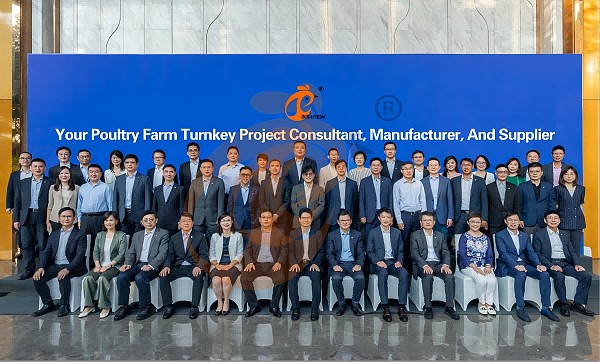
Taiyu (HK) Group - One Of China's Largest Poultry Equipment Manufacturers
Integrated poultry equipment we provide coordinated feeding, drinking, ventilation, and egg collection systems, with equipment specifications matched to project requirements.
Global factory direct supply direct manufacturing and coordinated procurement support project planning, equipment consistency, and commercial quotation management.
Poultry equipment engineering our technical scope covers equipment selection, layout coordination, installation planning, and system commissioning.
Turn-key project support integrated project services help coordinate equipment supply, technical documentation, installation interfaces, and operator training.
International project delivery we support poultry farm development with equipment packages, spare-parts planning, and technical assistance tailored to regional requirements.
Contact Us To Received Your Customized Poultry Farm Plan
Headquarters And Branchs

Hong Kong Headquarter Management Team
Hong Kong Headquarter Taiyu Industrial Group CO., LTD
China Hebei Best Machinery And Equipment CO., LTD
Nigeria Vanke Machinery And Equipment CO., LTD
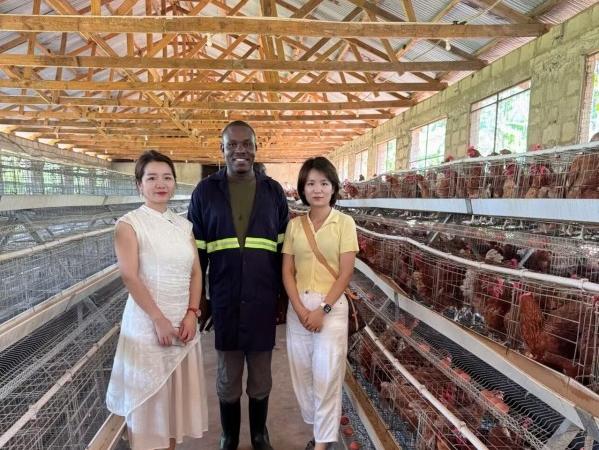
Tanzania Best Machinery And Equipment CO., LTD
Ethiopia Best Hebei Machinery Manufacturing PLC




Reception /24 WhatsApp NO. : +8618830120193
PRODUCTS RECOMMENDED
 China Branch Manufacture Poultry Farm EquipmentRead More
 Ethiopia Branch Manufacture Poultry Farm EquipmentRead More
 Nigeria Branch Manufacture Poultry Farm EquipmentRead More
 Tanzania Branch Manufacture Poultry Farm EquipmentRead More
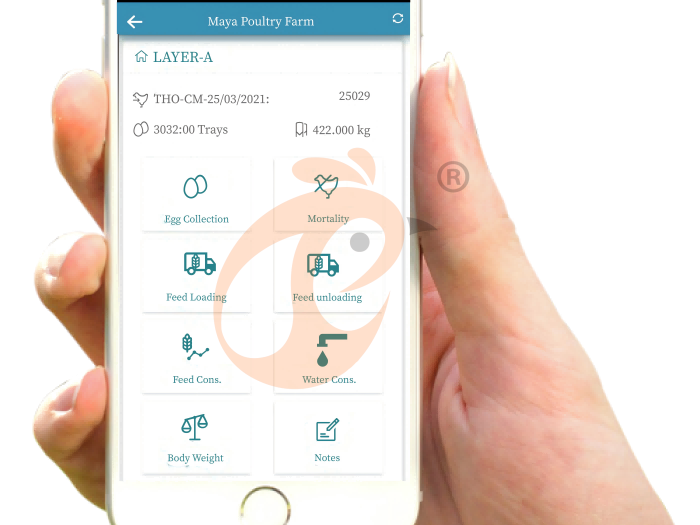
 IoT Smart Poultry FarmRead More
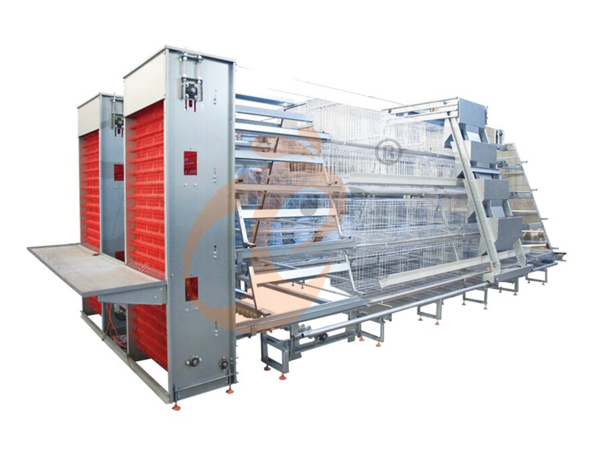
 >30,000 Layers Automatic H Type Battery CageRead More
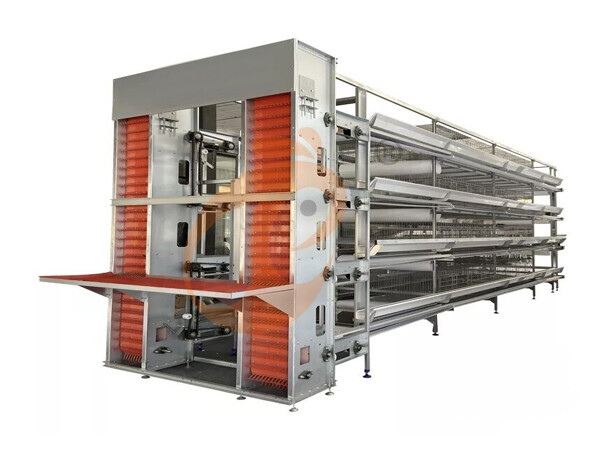
 10,000 - 30,000 Layers Automatic A Type Battery CageRead More
MESSAGE
NEWS
 50,000 - 100,000 chickens/house: poultry farm solution, chicken cage, poultry farm equipment, AI smart managementRead More
 30,000 - 50,000 chickens/house: poultry farm solution, chicken cage, poultry farm equipment, AI smart managementRead More
 10,000 - 30,000 chickens/house: poultry farm solution, chicken cage, poultry farm equipment, AI smart managementRead More
 100 - 10,000 chickens/house: poultry farm solution, chicken cage, poultry farm equipment, AI smart managementRead More