

NEWS
Floor rearing system and modern poultry equipment solutions provide commercial farms with flexible production structures using advanced layout design and 10,000-bird planning models.
Cage system engineering focuses on automated management, precise feeding control, and space optimization with commercial units supporting 18,000-bird production targets.
Poultry housing investment decisions depend on construction planning, operational expenses, maintenance cycles, and production stability across 72-week farming programs.
Professional farm projects combine environmental control, feeding technology, and turn-key engineering to improve resource management with 35% workflow optimization.
Cost evaluation requires equipment specifications, farm capacity analysis, and technical comparisons between different poultry production systems for global market applications.
Get professional poultry farm construction guidance, equipment selection solutions, and the latest price lists, whatsApp to +8618830120193, click to learn more:
Introduction To Poultry Housing Cost Analysis
Commercial poultry farms evaluate housing structures according to investment recovery, production efficiency, and equipment reliability.
Floor rearing system and cage system represent two major approaches used in modern egg production facilities.
A professional poultry housing equipment solution integrates feeding, drinking, ventilation, and environmental management systems.
Farm owners usually analyze construction requirements, operation procedures, and equipment service periods before selecting a production model.
A complete project design may include automated control cabinets, with electrical systems commonly configured around 380V industrial standards.
Initial Facility Investment Comparison
Initial investment planning determines the financial structure of a poultry farm project.
Floor systems normally require larger construction areas because birds move freely across prepared floor surfaces.
Cage systems use vertical arrangements to improve building utilization through multi-layer installation designs.
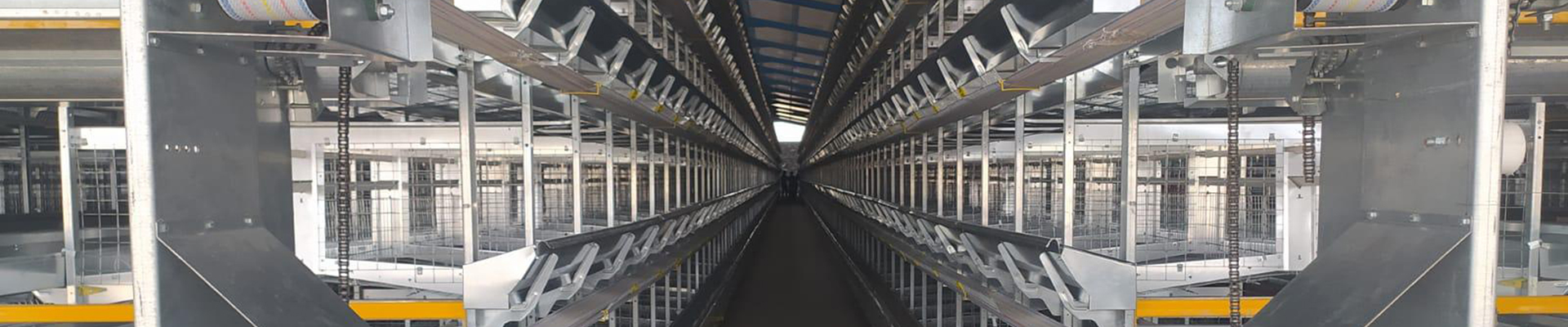
Commercial poultry cage system projects often include galvanized steel structures, automated feeding lines, and manure removal equipment.
Data is for reference only.Swipe horizontally to view full table.
European union standard reference only.
A commercial farm with 25,000 birds may require additional planning for ventilation distribution and equipment positioning.
Investment calculations should include installation labor, transportation requirements, and technical support expenses.
Space Utilization And Production Layout
Space management directly influences production capacity and operational planning.
Floor systems provide movement areas and natural behavior spaces, while cage systems organize birds into controlled compartments.
Modern layer cage equipment uses modular structures that support standardized installation across different farm sizes.
Data is for reference only.Swipe horizontally to view full table.
Large poultry projects commonly apply warehouse widths around 24 meters to support equipment arrangement.
Production buildings with automatic systems usually require detailed airflow calculations based on flock size and regional climate conditions.
Feed Management And Resource Consumption
Feed management affects production cost because nutrition represents a major operational component.
Automatic feeding systems improve distribution accuracy through programmed delivery schedules.
The floor rearing system requires careful feed monitoring because birds move throughout the production area.
Data is for reference only.Swipe horizontally to view full table.
Feed storage rooms are generally designed with capacity ranges around 15 tons for medium commercial farms.
Precision feeding equipment can improve management consistency during different laying periods.
Labor Requirements And Daily Operation
Labor planning affects the long-term operating structure of poultry facilities.
Automated equipment reduces repetitive tasks through mechanical feeding, egg collection, and manure handling systems.
Commercial poultry equipment manufacturers normally integrate control systems to simplify farm operation procedures.
Data is for reference only.Swipe horizontally to view full table.
Farm managers may schedule technical inspections every 14 days to maintain equipment reliability.
Professional automation design allows operators to manage larger poultry populations with organized workflows.
Animal Health And Production Management
Housing conditions influence disease control strategies, environmental management, and flock observation.
Floor systems require effective litter management because birds interact directly with bedding materials.
Cage systems separate birds from waste areas through engineered manure collection structures.
Modern poultry facilities commonly apply sensors with monitoring accuracy around 0.5°C for temperature management.
Biosecurity planning remains essential regardless of housing selection because external risks can affect production stability.
Egg Production Performance Comparison
Production output directly influences revenue calculation and investment recovery.
Cage systems provide controlled environments for egg collection, while floor systems focus on flexible flock management.
Data is for reference only.Swipe horizontally to view full table.
Commercial egg farms may operate production buildings with 16-hour lighting programs depending on management requirements.
Technical selection should consider market demand, operating conditions, and expected production cycles.
Equipment Maintenance And Replacement Planning
Equipment durability influences project profitability over extended operating periods.
A professional cage system supplier provides engineering solutions covering installation, maintenance guidance, and replacement planning.
Data is for reference only.Swipe horizontally to view full table.
Large-scale farms may establish spare parts inventories containing more than 60 essential components.
Regular technical inspections improve equipment availability throughout the production cycle.
Environmental Control Considerations
Environmental systems influence bird comfort, equipment operation, and production consistency.
Floor housing requires effective ventilation and bedding management procedures.
Cage facilities depend on accurate airflow distribution and manure removal performance.
Professional farm engineering projects often include tunnel ventilation systems with airflow speeds near 2.8 meters per second.
Environmental design should match local temperature conditions and building structures.
Waste Management And Sustainability Factors
Waste processing creates different operational requirements between housing methods.
Floor systems generate bedding-related materials, while cage systems collect concentrated manure through dedicated channels.
Data is for reference only.Swipe horizontally to view full table.
Waste treatment facilities may include storage areas around 300 square meters for integrated poultry farms.
Sustainable farm planning combines production efficiency with environmental responsibility.
Selecting The Suitable Poultry Production Strategy
Choosing between floor and cage production depends on farm scale, investment planning, and operational targets.
A modern poultry project should evaluate engineering design, equipment performance, and long-term maintenance requirements.
Turn-key poultry equipment solutions provide integrated support from planning to installation.
Professional manufacturers combine structural design, automation systems, and technical service for global agricultural projects.
A balanced decision creates stable production performance and sustainable economic operation.
Frequently Asked Questions
Q1: What is the main difference between floor rearing system and cage system?
Floor rearing system allows birds to move freely across prepared areas, while cage system uses compartment structures for organized production management.
Commercial farms often compare buildings ranging from 5,000 to 20,000 square meters before selecting a suitable design.
Q2: Which system requires more automation equipment?
Cage system usually integrates more automated components including feeding, egg collection, and manure handling equipment.
A modern automated line can operate with control panels managing multiple production sections.
Q3: How should farmers choose a cost-effective poultry housing solution?
Farmers should evaluate land availability, labor resources, investment budget, and production goals.
Projects with different capacities, such as 30,000 or 50,000 birds, may require different engineering approaches.
Taiyu (HK) Group - One Of China Largest Floor Rearing System Manufacturer
Floor rearing system provides advanced poultry housing structures with integrated feeding, ventilation, and management solutions for commercial farms worldwide.
Global factory direct supply delivers complete poultry equipment manufacturing with professional engineering support and quality inspection processes.
Turn-key engineering services cover project design, equipment installation, technical training, and production system commissioning.
International poultry projects receive customized solutions based on farm capacity, regional standards, and operational requirements.
Professional poultry equipment manufacturing combines research, production capability, and export experience for agricultural customers.
Contact Us To Received Your Customized Poultry Farm Plan
Headquarters And Branchs

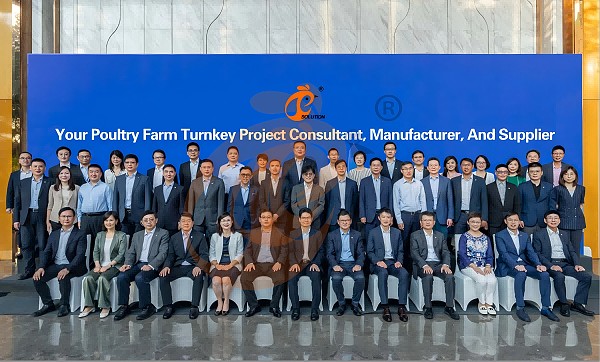
Hong Kong Headquarter Management Team
Hong Kong Headquarter Taiyu Industrial Group CO., LTD
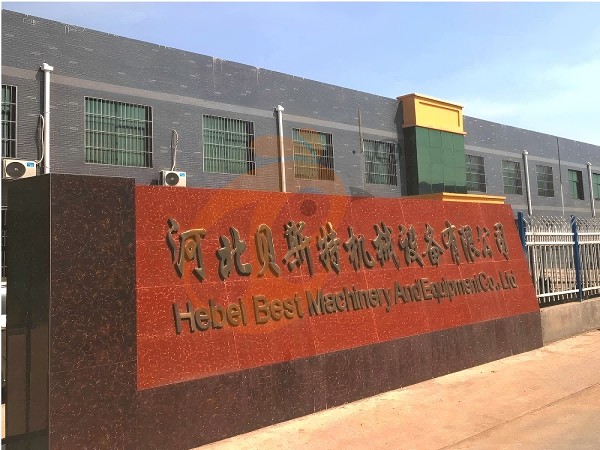
China Hebei Best Machinery And Equipment CO., LTD
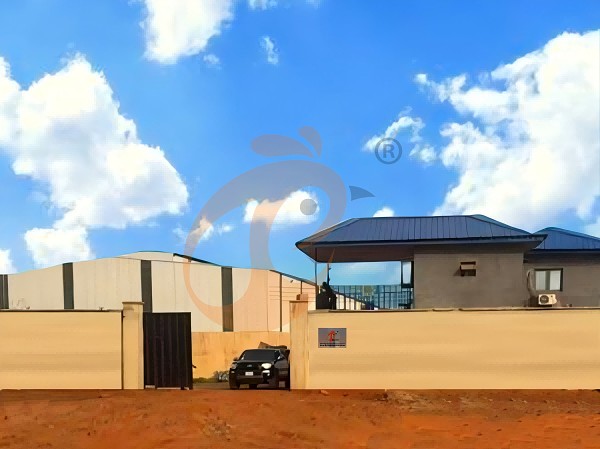
Nigeria Vanke Machinery And Equipment CO., LTD
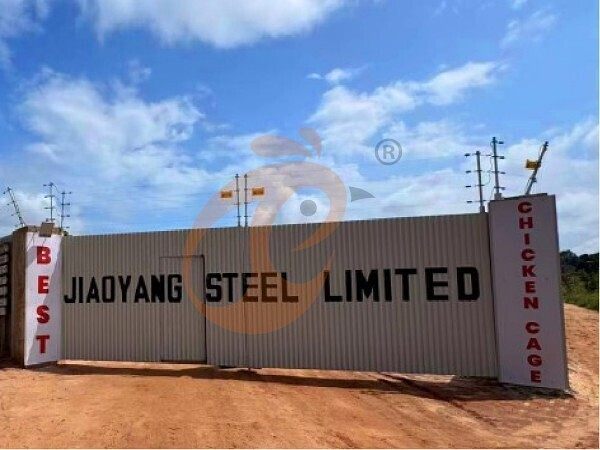
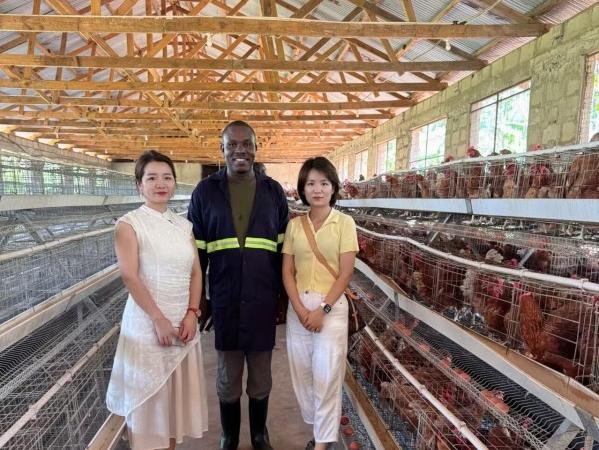
Tanzania Best Machinery And Equipment CO., LTD
Ethiopia Best Hebei Machinery Manufacturing PLC
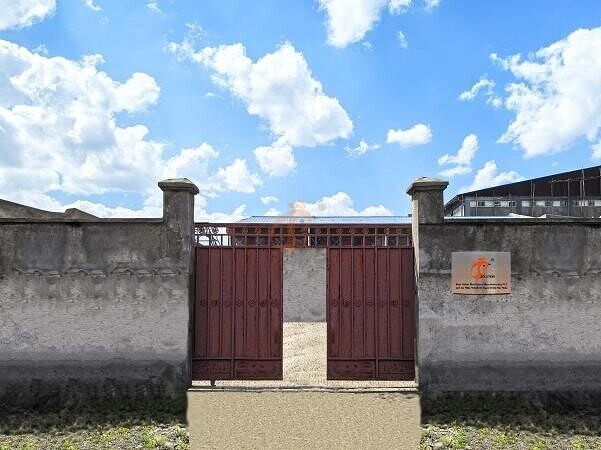
Reception /24 WhatsApp NO. : +8618830120193
PRODUCTS RECOMMENDED
 China Branch Manufacture Poultry Farm EquipmentRead More
 Ethiopia Branch Manufacture Poultry Farm EquipmentRead More
 Nigeria Branch Manufacture Poultry Farm EquipmentRead More
 Tanzania Branch Manufacture Poultry Farm EquipmentRead More
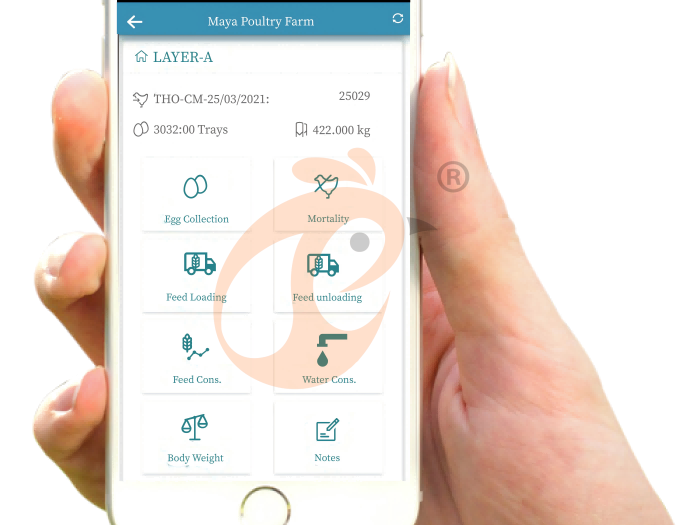
 IoT Smart Poultry FarmRead More
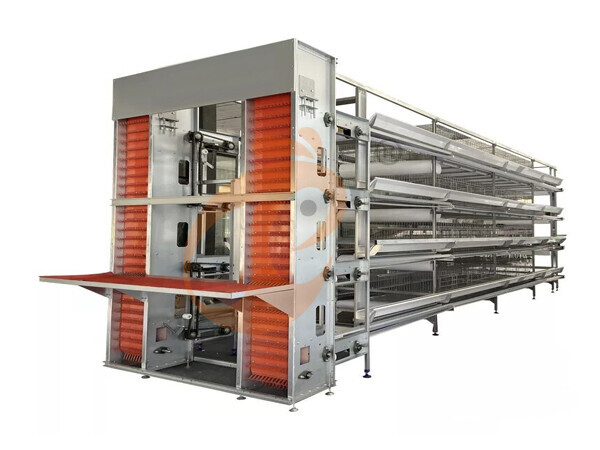
 >30,000 Layers Automatic H Type Battery CageRead More
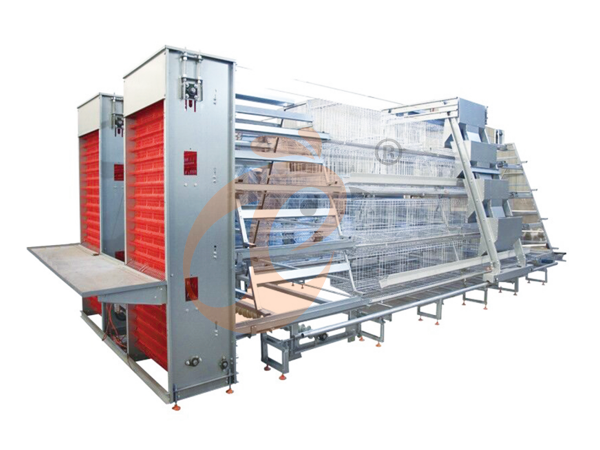
 10,000 - 30,000 Layers Automatic A Type Battery CageRead More
MESSAGE
NEWS
 50,000 - 100,000 chickens/house: poultry farm solution, chicken cage, poultry farm equipment, AI smart managementRead More
 30,000 - 50,000 chickens/house: poultry farm solution, chicken cage, poultry farm equipment, AI smart managementRead More
 10,000 - 30,000 chickens/house: poultry farm solution, chicken cage, poultry farm equipment, AI smart managementRead More
 100 - 10,000 chickens/house: poultry farm solution, chicken cage, poultry farm equipment, AI smart managementRead More