

NEWS
Floor rearing poultry farming problems directly influence flock health, production efficiency, operating costs, and long-term profitability, while suitable poultry house equipment creates a more stable production environment for commercial farms.
Clean litter, balanced ventilation, efficient feeding, reliable biosecurity, and scientific management work together to improve daily performance and reduce unnecessary production losses across different poultry production systems.
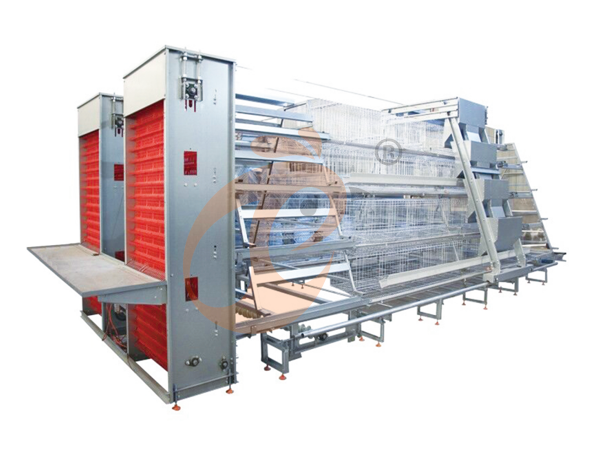
Modern chicken cage system solutions and automatic poultry feeding system technology help farmers optimize labor allocation, maintain consistent management standards, and prepare farms for future capacity expansion.
Equipment selection affects bird comfort, feed conversion, maintenance frequency, energy consumption, and investment value, making engineering design an important part of successful poultry farming projects.
Practical solutions, measurable reference data, equipment recommendations, and technical management strategies throughout this guide provide useful knowledge for producers seeking safer production and stronger economic returns.
Get professional poultry farm construction guidance, equipment selection solutions, and the latest price lists, whatsApp to +8618830120193, click to learn more:
Disease Prevention Requires Better Biosecurity
Disease transmission becomes faster when birds remain in continuous contact with contaminated litter and equipment.
Restricted visitor access, routine sanitation, and scheduled house disinfection reduce infection opportunities throughout the production cycle.
A cleaning interval of 10–12 hours for frequently touched equipment helps maintain a cleaner production environment without interrupting normal farm operations.
Commercial poultry house equipment designed with smooth galvanized surfaces also shortens washing time and improves cleaning efficiency.
Data is for reference only. Swipe horizontally to view full table.
Feed Waste Directly Increases Production Cost
Feed represents the largest operating expense on most poultry farms.
Uneven feed distribution allows dominant birds to consume more feed while weaker birds receive insufficient nutrition.
A feed distribution deviation below 3% helps maintain more uniform flock growth and supports stable production performance.
An automatic poultry feeding system supplies feed evenly across the entire house while reducing manual handling and unnecessary feed losses.
Data is for reference only. Swipe horizontally to view full table.
Ventilation Determines House Environment
Fresh air circulation controls temperature, humidity, dust concentration, and harmful gases inside the poultry house.
Stable airflow supports bird comfort and reduces environmental stress during different production stages.
Air velocity maintained near 1.6 m/s during warm weather improves heat removal without creating excessive drafts.
Well-designed poultry house equipment integrates exhaust fans, cooling pads, and intelligent environmental controllers into one coordinated ventilation solution.
Data is for reference only. Swipe horizontally to view full table.
Labor Efficiency Influences Farm Profitability
Growing flock size increases daily workloads for feeding, inspection, cleaning, and environmental management.
Automation allows workers to supervise more birds while maintaining consistent production standards.
One technician can commonly supervise approximately 6,000 birds when multiple automated systems operate together.
A complete automatic poultry feeding system combined with automatic drinking lines significantly improves management efficiency.
Data is for reference only. Swipe horizontally to view full table.
Farm Expansion Needs Suitable Equipment
Traditional manual management becomes increasingly difficult as production capacity expands.
Equipment compatibility should always be considered before constructing additional poultry houses.
Engineering planning with approximately 18% reserved utility capacity supports future equipment upgrades without major structural modifications.
A modular chicken cage system and integrated poultry house equipment simplify expansion projects and improve long-term investment value.
Data is for reference only. Swipe horizontally to view full table.
Equipment Selection Improves Long-Term Returns
Equipment quality directly affects maintenance frequency, operating stability, and production consistency.
Hot-dip galvanized steel structures normally provide a service life exceeding 15 years under appropriate maintenance conditions.
Reliable poultry house equipment reduces component replacement frequency and improves engineering reliability throughout continuous production.
Investment in automation generally delivers measurable operational benefits over multiple production cycles.
Equipment packages valued between USD 8,500 and USD 28,000 are commonly selected according to project scale.
(European union standard reference only.)
Data is for reference only. Swipe horizontally to view full table.
Choosing Suitable Poultry Equipment For Different Farms
Equipment configuration should match production targets rather than simply increasing automation.
Small commercial farms often begin with modular installations before expanding into fully integrated production facilities.
An equipment utilization rate above 92% usually reflects stable management and proper engineering planning.
Integrated automatic poultry feeding system, ventilation equipment, and chicken cage system solutions create more efficient production workflows while reducing unnecessary manual operations.
Data is for reference only. Swipe horizontally to view full table.
Conclusion
Floor rearing remains an effective poultry production method when environmental management, litter quality, feeding efficiency, ventilation, and biosecurity receive continuous attention.
Modern poultry house equipment, automatic poultry feeding system, and chicken cage system solutions reduce operating risks while improving production consistency and labor efficiency.
Selecting engineering-grade equipment allows poultry farms to achieve more reliable performance, lower maintenance requirements, and greater flexibility for future expansion.
Professional equipment manufacturers can also provide customized layouts, installation guidance, and technical support according to different poultry farming projects.
Frequently Asked Questions
Q1: What litter moisture is suitable for floor rearing poultry?
Maintaining litter moisture around 20–25% helps reduce ammonia generation, improves bird comfort, and supports healthier flock performance throughout the production cycle.
Q2: Can an automatic poultry feeding system reduce operating costs?
Yes.
Automatic feeding systems distribute feed more uniformly, reduce feed loss to approximately 1.2–2.0%, improve labor efficiency, and maintain more consistent bird growth.
Q3: When should a poultry farm consider upgrading equipment?
Farms approaching 8,000–10,000 birds usually benefit from upgrading feeding, drinking, ventilation, and environmental control equipment because daily management becomes more complex as production capacity increases.
Taiyu (HK) Group - One Of China Largest Chicken Cage Manufacturer
Professional manufacturer of chicken cage system, poultry house equipment, and automatic poultry feeding system for commercial poultry farming projects.
Global factory direct supply with standardized manufacturing, strict quality inspection, and stable engineering delivery for international customers.
Complete poultry equipment portfolio including feeding systems, nipple drinking systems, ventilation systems, manure removal systems, environmental controllers, and steel poultry house structures.
Turn-key poultry farm engineering covering project design, equipment manufacturing, container loading, installation guidance, commissioning, and technical training.
Technical support for commercial layer farms, broiler farms, breeder farms, and customized poultry production projects with long-term spare parts service and engineering consultation.
Contact Us To Received Your Customized Poultry Farm Plan
Headquarters And Branchs
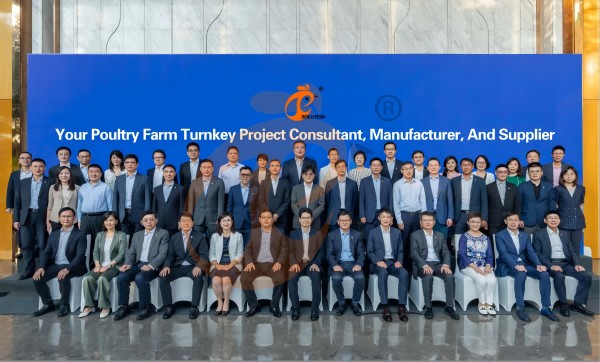
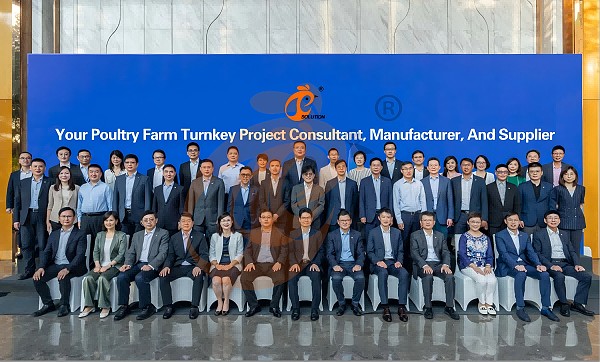
Hong Kong Headquarter Management Team
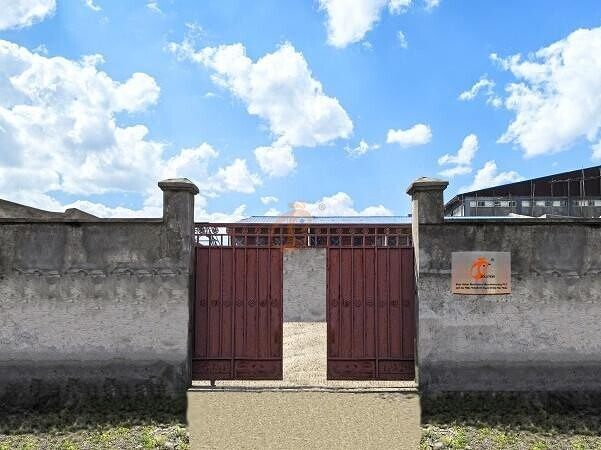
Hong Kong Headquarter Taiyu Industrial Group CO., LTD
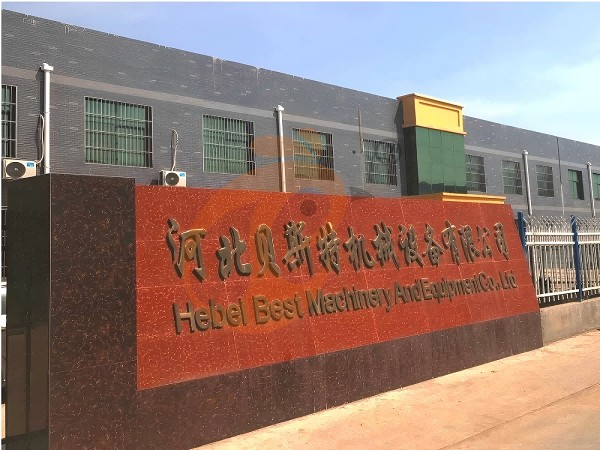
China Hebei Best Machinery And Equipment CO., LTD
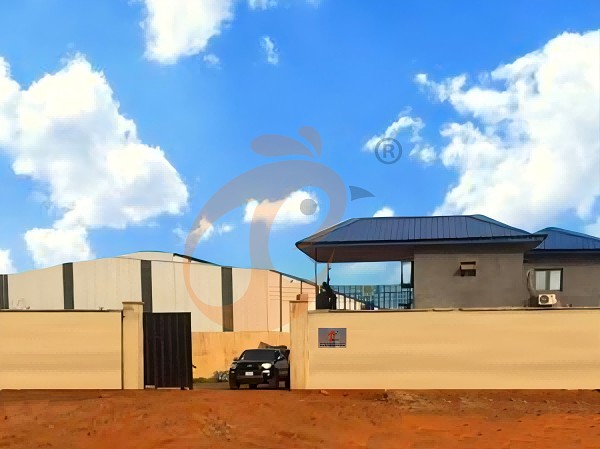
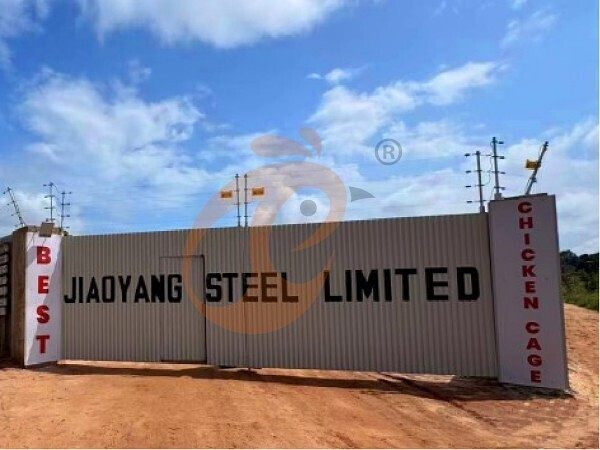
Nigeria Vanke Machinery And Equipment CO., LTD
Tanzania Best Machinery And Equipment CO., LTD
Ethiopia Best Hebei Machinery Manufacturing PLC
Reception /24 WhatsApp NO. : +8618830120193
PRODUCTS RECOMMENDED
 China Branch Manufacture Poultry Farm EquipmentRead More
 Ethiopia Branch Manufacture Poultry Farm EquipmentRead More
 Nigeria Branch Manufacture Poultry Farm EquipmentRead More
 Tanzania Branch Manufacture Poultry Farm EquipmentRead More
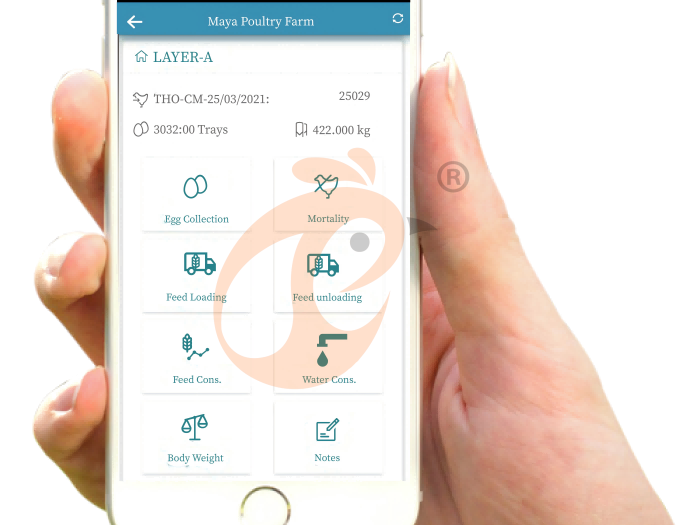
 IoT Smart Poultry FarmRead More
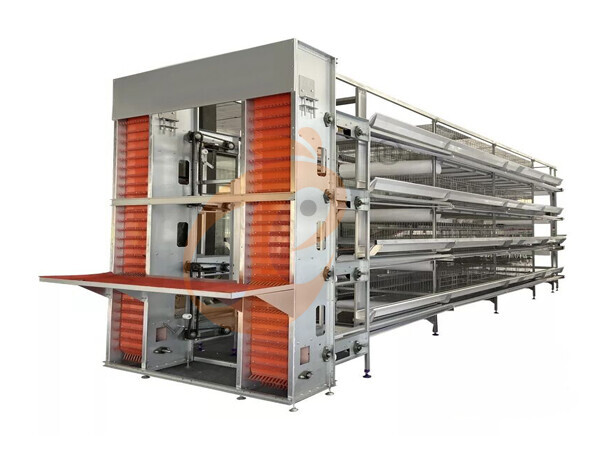
 >30,000 Layers Automatic H Type Battery CageRead More
 10,000 - 30,000 Layers Automatic A Type Battery CageRead More
MESSAGE
NEWS
 50,000 - 100,000 chickens/house: poultry farm solution, chicken cage, poultry farm equipment, AI smart managementRead More
 30,000 - 50,000 chickens/house: poultry farm solution, chicken cage, poultry farm equipment, AI smart managementRead More
 10,000 - 30,000 chickens/house: poultry farm solution, chicken cage, poultry farm equipment, AI smart managementRead More
 100 - 10,000 chickens/house: poultry farm solution, chicken cage, poultry farm equipment, AI smart managementRead More