

NEWS
Poultry cage system quotations become faster when capacity, house dimensions, automation scope, and destination data arrive together, helping factories calculate equipment accurately from the first inquiry.
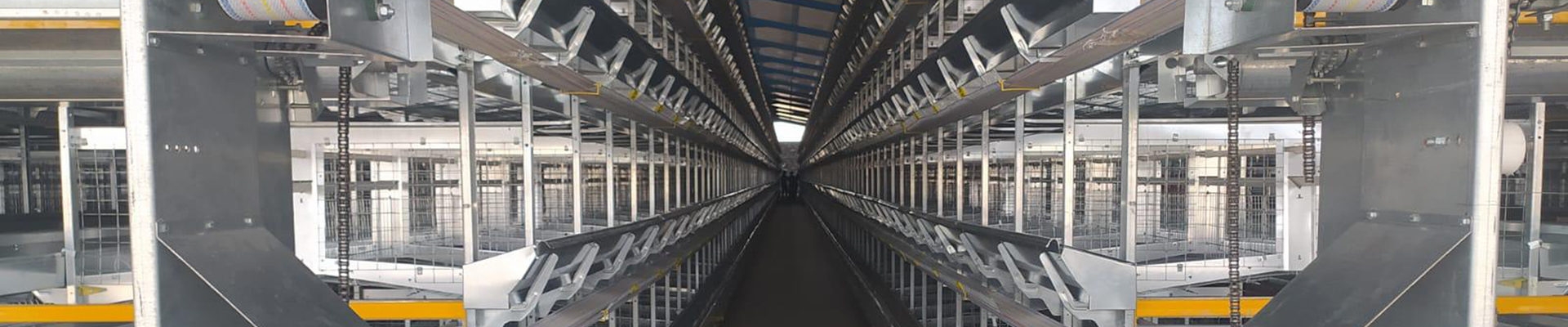
Automatic layer cage selection affects feeding, drinking, manure handling, egg collection, ventilation coordination, installation planning, and long-term operating efficiency across commercial layer projects.
A qualified poultry cage manufacturer can convert technical requirements into equipment lists, layout drawings, specifications, production schedules, and a commercially comparable quotation.
Professional quotation evaluation should examine structural materials, drive systems, electrical requirements, spare parts, engineering support, warranty conditions, and project compatibility rather than unit price alone.
Clear communication creates a practical path from initial inquiry to factory calculation, turn-key poultry equipment planning, shipment preparation, installation support, and reliable farm operation.
Get professional poultry farm construction guidance, equipment selection solutions, and the latest price lists, whatsApp to +8618830120193, click to learn more:
Start With A Clear Project Brief
Getting a fast poultry cage quotation starts with giving the factory accurate project information.
State bird type, target capacity, poultry house dimensions, cage arrangement, automation requirements, destination, and purchasing schedule.
For example, a layer project may operate with 16-hour lighting and 23–24°C house temperature, allowing the poultry cage system supplier to coordinate cage
equipment with environmental requirements.
Data is for reference only.Swipe horizontally to view full table.
A complete project brief helps an automatic layer cage factory calculate equipment instead of sending a generic catalog price.
Prepare These Key Details Before Asking For A Quote
Prepare cage dimensions, structural materials, wire specifications, coating requirements, and accessory configurations before contacting the poultry cage
manufacturer.
A quotation becomes more precise when engineering information arrives together rather than through several separate messages.
Data is for reference only.Swipe horizontally to view full table.
For quotation accuracy, also provide the preferred cage material and structural configuration.
A professional poultry cage system supplier can then calculate steel, wire mesh, accessories, and installation components without repeated technical questions.
Choose The Right Cage System For Your Farm
The cage system should match flock size, house geometry, labor availability, and desired automation.
A four-tier H-type configuration can integrate feeding, drinking, manure handling, and egg collection into a coordinated production line.
Data is for reference only.Swipe horizontally to view full table.
When ordering an automatic layer cage, specify whether electrical equipment should use 220 V or 380 V input because motor and control-panel configuration
must match local power conditions.
Ask For A Quote In A Factory-Friendly Format
Use five direct questions when contacting a poultry cage manufacturer.
① What do you need?
State the cage model and supporting equipment.
② How much do you need?
Give bird capacity, house quantity, or equipment quantity.
③ Where will it be installed?
Provide the destination country and port.
④ When do you need it?
Mention the expected purchasing and installation schedule.
⑤ What documents do you require?
Ask for technical specifications, layout drawings, packing details, warranty terms, and installation guidance.
A precise inquiry can also include corrosion requirements and installation conditions, such as galvanized components for humid coastal projects.
Compare Quotations By More Than Price
Compare material specifications, motor configurations, water equipment, manure systems, egg collection equipment, and control cabinets before selecting an
automatic layer cage supplier.
Different technical configurations can create major differences in service life, maintenance requirements, and project compatibility.
Data is for reference only.Swipe horizontally to view full table.
The cheapest quotation may exclude essential accessories or use different material specifications.
Check the complete bill of materials and technical standards before comparing final project costs.
Request A Complete Equipment List, Not Just A Unit Price
One cage price does not represent the investment required for a complete poultry house.
Ask the poultry equipment manufacturer to separate cage components, drive units, feeding equipment, drinking equipment, manure systems, egg collection, ventilation, cooling, electrical controls, and spare parts.
For example, a ventilation fan may use a 1.1 kW motor and deliver 38,000 m³/h under specified conditions.
Such technical information makes an automatic layer cage project easier to compare because equipment interfaces can be checked before ordering.
A professional quotation should identify quantities, specifications, accessories, packing methods, installation requirements, and replacement parts.
Request A Farm Layout And Equipment Calculation
A professional poultry cage system layout should connect cage rows with service passages, feeding lines, water lines, manure discharge, ventilation positions,
and electrical points.
Clear engineering drawings reduce installation uncertainty and help confirm equipment quantities before manufacturing begins.
Data is for reference only.Swipe horizontally to view full table.
A professional layout should show cage rows, service passages, equipment positions, electrical points, water supply, manure discharge, and ventilation locations.
The drawing becomes an important installation reference for an automatic layer cage project.
Use The ''Five-Point Fast Quote'' Method
Send a concise project request to the poultry cage manufacturer using five technical fields.
Project: Commercial layer farm
Capacity: 30,000 birds
House: 3 houses, each 100 × 15 m
Cage: Automatic H-type layer cage
Required: Feeding, drinking, manure removal, egg collection, ventilation, cooling and electrical control
Then request a suitable equipment configuration, quotation, technical specifications, layout, production lead time, warranty, packing details, and shipping information.
For international poultry cage system projects, also state the destination port and preferred Incoterm, such as FOB or CIF, so logistics calculations remain consistent.
Check The Factory Before You Place The Order
Factory qualification should cover production capability, welding processes, galvanizing, electrical standards, spare-parts planning, warranty documentation, and engineering support.
Verification becomes more useful when the poultry equipment manufacturer provides drawings, inspection records, production evidence, and technical documents.
Data is for reference only.Swipe horizontally to view full table.
A factory capable of manufacturing cages and auxiliary systems under one production system can simplify technical coordination.
Ask for drawings and inspection records before confirming the automatic layer cage order.
Get Faster Quotes And Build A Better Poultry Farm
A fast poultry cage quotation does not mean sending a one-line price request.
Accurate capacity data, house drawings, automation requirements, and equipment specifications allow a poultry cage system factory to calculate a practical proposal faster.
The five essential steps are
1. Prepare farm information.
2. Select or request a suitable cage system.
3. Specify supporting equipment.
4. Request a detailed quotation and layout.
5. Compare quality, automation, service, and total project value—not price alone.
A professional poultry equipment manufacturer can integrate layer cages, automatic feeding, nipple drinking, manure removal, egg collection, ventilation, cooling, and electrical control systems.
Proper equipment matching can simplify installation and improve daily farm management.
When requesting an automatic layer cage quotation, send bird capacity, poultry house dimensions, farm type, destination, and automation requirements.
The factory can then move directly toward equipment calculation, layout design, technical proposal, and commercial quotation.
Frequently Asked Questions
Q1: What information makes a poultry cage quotation faster?
Bird capacity, house dimensions, cage preference, automation scope, destination port, and electrical requirements provide a practical starting package for factory calculation.
Q2: Should an automatic layer cage quotation include supporting equipment?
Yes.
Feeding, drinking, manure removal, egg collection, ventilation, and control equipment should be specified together when project integration is required.
Q3: How can different poultry cage manufacturers be compared fairly?
Compare identical technical scopes, material specifications, equipment quantities, engineering services, warranty conditions, packing requirements, and delivery terms before comparing final prices.
Taiyu (HK) Group - One Of China Biggest Poultry Cage Manufacturer
Poultry cage system solutions are engineered around cage configuration, structural specifications, auxiliary equipment interfaces, and complete poultry-house equipment coordination for commercial layer projects.
Global factory-direct supply combines poultry equipment manufacturing with technical drawings, component calculation, quality inspection, export packing, and project documentation.
Turn-key engineering integrates cage systems, feeding, drinking, manure removal, egg collection, ventilation, cooling, electrical control, installation guidance, and commissioning coordination.
Project execution can cover factory production, container loading, international shipment preparation, engineering documentation, remote technical support, and installation-stage coordination.
Commercial proposals are structured around equipment specifications, quantities, project layouts, delivery requirements, spare-parts planning, and after-sales engineering support.
Contact Us To Received Your Customized Poultry Farm Plan
Headquarters And Branchs
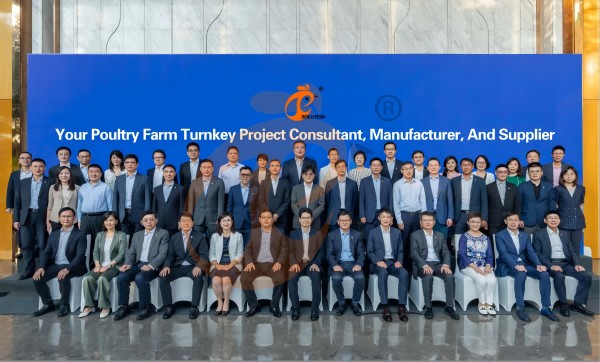
Hong Kong Headquarter Management Team
Hong Kong Headquarter Taiyu Industrial Group CO., LTD
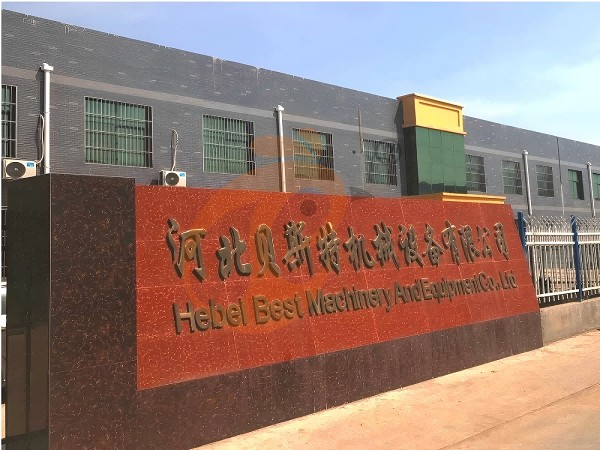
China Hebei Best Machinery And Equipment CO., LTD
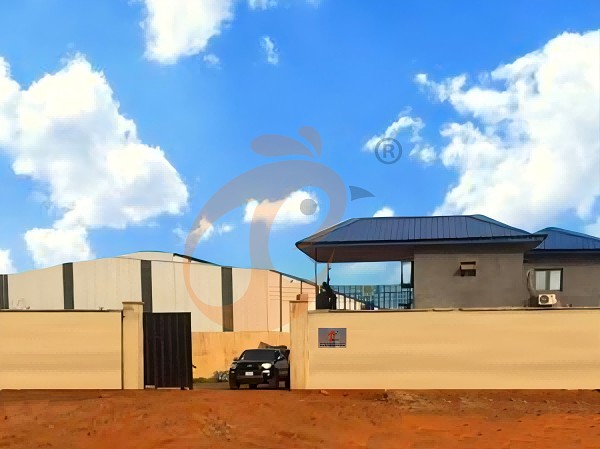
Nigeria Vanke Machinery And Equipment CO., LTD
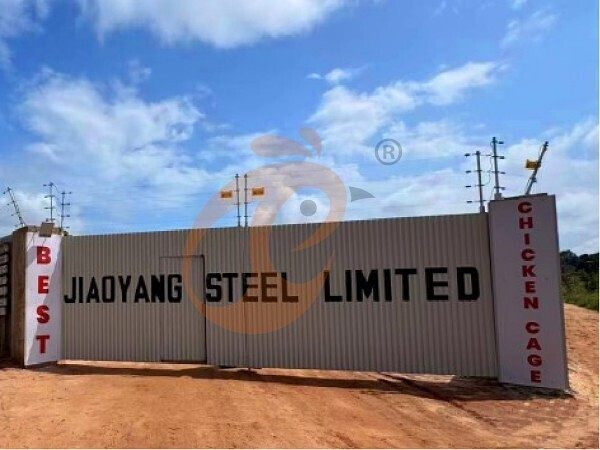
Tanzania Best Machinery And Equipment CO., LTD
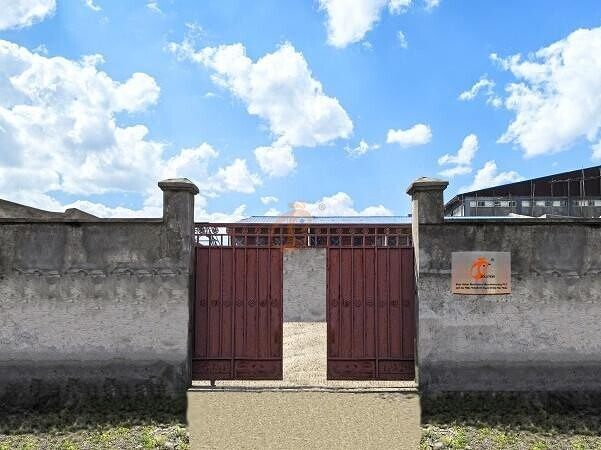
Ethiopia Best Hebei Machinery Manufacturing PLC
Reception /24 WhatsApp NO. : +8618830120193
PRODUCTS RECOMMENDED
 China Branch Manufacture Poultry Farm EquipmentRead More
 Ethiopia Branch Manufacture Poultry Farm EquipmentRead More
 Nigeria Branch Manufacture Poultry Farm EquipmentRead More
 Tanzania Branch Manufacture Poultry Farm EquipmentRead More
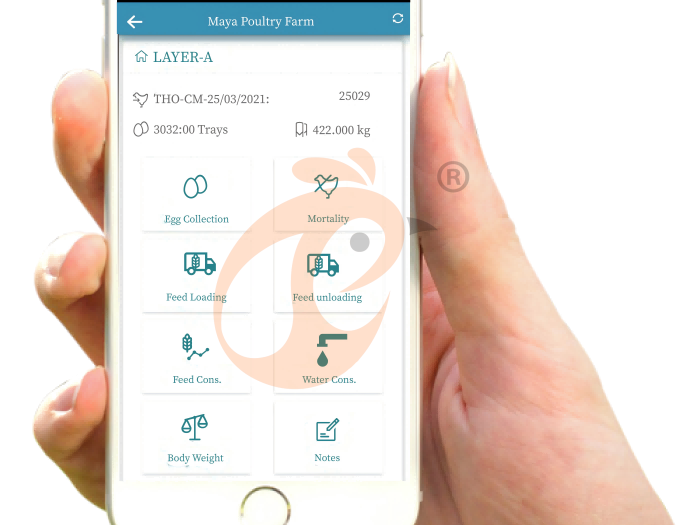
 IoT Smart Poultry FarmRead More
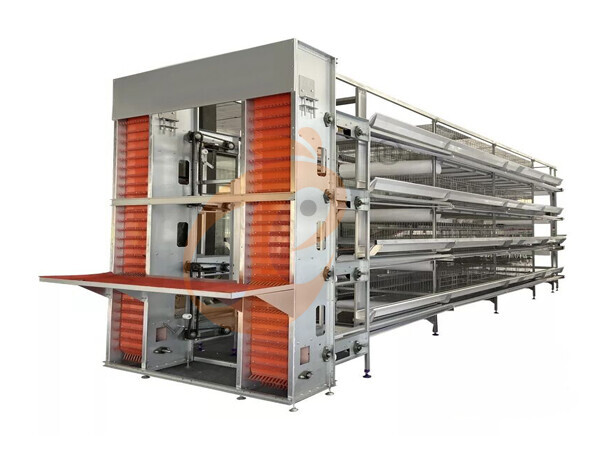
 >30,000 Layers Automatic H Type Battery CageRead More
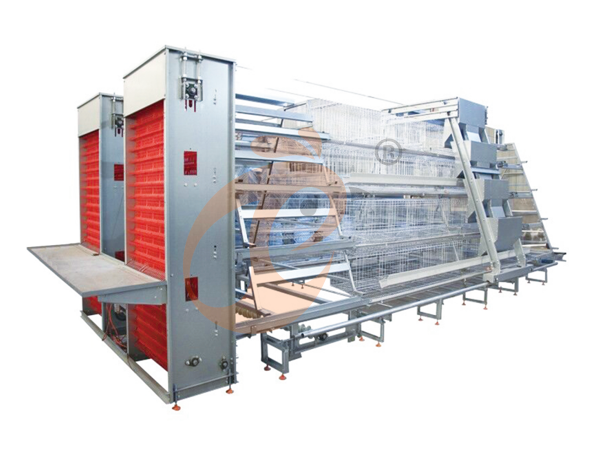
 10,000 - 30,000 Layers Automatic A Type Battery CageRead More
MESSAGE
NEWS
 50,000 - 100,000 chickens/house: poultry farm solution, chicken cage, poultry farm equipment, AI smart managementRead More
 30,000 - 50,000 chickens/house: poultry farm solution, chicken cage, poultry farm equipment, AI smart managementRead More
 10,000 - 30,000 chickens/house: poultry farm solution, chicken cage, poultry farm equipment, AI smart managementRead More
 100 - 10,000 chickens/house: poultry farm solution, chicken cage, poultry farm equipment, AI smart managementRead More