

BLOG
Pellet machine cleaning for poultry feed production improves mechanical stability, pellet integrity, and energy efficiency.
Feed systems process corn soybean meal wheat bran under high pressure 75°C–85°C conditioning environments.
Unclean dies increase electrical load up to 12% and reduce throughput consistency across 2 mm–4 mm poultry pellets.
Residue accumulation affects broiler feed conversion ratio, increasing wastage by measurable kilogram-scale losses per 10 tons production.
Cleaning protocols stabilize pellet durability index above 90% ensuring uniform nutrient delivery across poultry production cycles.
Get professional poultry farm construction guidance, equipment selection solutions, and the latest price lists, whatsApp to +8618830120193, click to learn more:
Poultry Feed Pellet Production Engineering Overview
Pellet machines used in poultry farms operate under controlled compression, temperature, and moisture parameters to achieve uniform feed structure.
Mechanical stress and thermal exposure cause starch gelatinization and protein denaturation, leading to adhesion inside die channels.
System contamination directly affects pellet density, particle uniformity, and feed conversion efficiency in broiler and layer operations.
Data is for reference only.Swipe horizontally to view full table.
Tip Clean Pellet Die Immediately After Shift
Pellet die cleaning for poultry feed production prevents micro-channel blockage caused by feed protein and starch residue.
Residual material solidifies within 12–24 hours forming hardened layers that restrict pellet extrusion efficiency.
Broiler farms operating 20,000 birds per cycle require stable die flow to maintain consistent daily feed output volume.
Data is for reference only.Swipe horizontally to view full table.
Protein denaturation above 80°C combined with corn starch gelatinization produces adhesive bonding layers inside die perforations.
Tip Remove Feed Dust Using Controlled Airflow Systems
Dust removal in poultry feed pellet machines prevents thermal accumulation in motors and electrical enclosures.
Feed dust particles smaller than 250 μm penetrate ventilation systems causing thermal imbalance and airflow restriction.
Continuous cleaning cycles reduce operational overheating risk in enclosed poultry feed production environments.
Data is for reference only.Swipe horizontally to view full table.
Tip Establish Cleaning Schedule Based On Production Output
Cleaning interval design depends on poultry feed tonnage throughput and pellet machine operating hours.
Higher production intensity increases residue accumulation rate inside die channels and roller surfaces.
Systematic scheduling stabilizes feed pellet quality across multi-shift industrial poultry farms.
Data is for reference only.Swipe horizontally to view full table.
Oil-rich formulations increase adhesion rate by 18% compared with standard corn-soy diets.
Tip Clean Roller Surfaces For Stable Pellet Formation
Roller systems compress feed material against die surface generating cylindrical pellet structure.
Surface contamination alters pressure distribution causing inconsistent pellet density across production batches.
Wear depth variations above 0.5 mm significantly impact pellet structural uniformity in poultry feed systems.
Data is for reference only.Swipe horizontally to view full table.
Tip Use Standardized Cleaning Materials Only
Mechanical cleaning using metallic tools causes die surface deformation and reduces pellet machine lifespan.
Oil-based flushing materials remove residual feed particles without altering die hole geometry.
Cleaning formulation selection determines long-term maintenance cost efficiency in poultry feed manufacturing plants.
Data is for reference only.Swipe horizontally to view full table.
Tip Conduct Scheduled Deep Maintenance Shutdown
Deep cleaning identifies internal wear conditions not visible during normal production operation cycles.
Gearbox lubrication, bearing clearance, and die wear measurements require controlled shutdown environment.
Preventive maintenance scheduling reduces unexpected downtime frequency in industrial poultry feed systems.
Data is for reference only.Swipe horizontally to view full table.
Moisture And Lubrication Control Strategy
Stable pellet machine performance depends not only on mechanical cleaning but also on controlled feed physical properties during operation cycles.
Moisture imbalance and lubrication inconsistency accelerate residue adhesion and increase die blockage probability in poultry feed production systems.
Operational Control Points
Feed inlet moisture control: 13.5%–14.8% before conditioning phase
Steam injection pressure: 0.25–0.4 MPa for stable starch gelatinization
Oil addition range: 1.2%–2.0% for broiler feed formulations
Conditioner retention time: 45–75 seconds for uniform thermal transfer
Proper control of these parameters reduces internal surface fouling rate and improves pellet extrusion stability across continuous production batches.
Poultry Production Performance Impact Analysis
Pellet quality consistency directly affects broiler feed intake and nutrient absorption efficiency across growth stages.
Feed conversion ratio variations correlate with pellet durability and particle size distribution stability.
Operational cleanliness maintains standardized nutrient delivery across large-scale poultry farming systems.
Data is for reference only.Swipe horizontally to view full table.
Safety Protocol In Poultry Pellet Machine Cleaning
Electrical isolation using lockout-tagout system prevents accidental activation during maintenance procedures.
Dust concentration above 10 mg/m³ requires respiratory protection and controlled ventilation system usage.
Proper safety compliance reduces operational hazards in industrial poultry feed manufacturing environments.
Frequently Asked Questions
Q1: How often should a poultry feed pellet machine be cleaned for stable production?
Cleaning frequency should be determined by production volume, feed formulation, and operating hours rather than a fixed calendar schedule.
For example, a production line processing around 10 tons of feed per day may inspect the die every 24 hours, while higher-capacity systems may require checks every 8 to 16 hours.
Feeds with higher oil content or finer particle sizes generally create residue more quickly, making more frequent cleaning beneficial for maintaining pellet quality and stable power consumption.
Q2: Why does residue buildup inside the pellet die affect pellet quality and energy consumption?
Feed residues composed of gelatinized starch and denatured proteins can gradually narrow die channels and increase extrusion resistance.
As resistance rises, the motor load may increase and pellet density can become inconsistent, leading to higher fines content and lower pellet durability.
Maintaining clean die holes and roller surfaces helps keep the Pellet Durability Index (PDI) above approximately 90% and supports more uniform 2 mm to 4 mm poultry feed pellet production.
Q3: What cleaning methods help extend pellet machine service life without damaging the die?
Standard maintenance practices generally recommend using approved flushing materials such as ground corn mixed with a small amount of vegetable oil or manufacturer-recommended cleaning pellets instead of metal rods or hard steel tools.
Metallic scraping can damage die hole geometry and reduce long-term performance.
During scheduled shutdowns, operators should also inspect roller wear, bearing clearance, gearbox lubrication, and conditioner components to detect wear before it affects production efficiency.
Taiyu (HK) Group - One Of China Biggest Pellet Machine Manufacturer Supplier
Pellet machine for poultry feed production with high precision die and roller systems
Global factory direct supply covering poultry equipment manufacturing and installation services
Poultry cage and feed system integrated solutions for industrial farming operations
Turn-key engineering projects covering design, installation, and production commissioning
Industrial export support with stable supply chain and standardized equipment configuration
Contact Us To Received Your Customized Poultry Farm Plan
Headquarters And Branchs

Hong Kong Headquarter Management Team
Hong Kong Headquarter Taiyu Industrial Group CO., LTD
China Hebei Best Machinery And Equipment CO., LTD
Nigeria Vanke Machinery And Equipment CO., LTD
Tanzania Best Machinery And Equipment CO., LTD
Ethiopia Best Hebei Machinery Manufacturing PLC




Reception /24 WhatsApp NO. : +8618830120193
PRODUCTS RECOMMENDED
 China Branch Manufacture Poultry Farm EquipmentRead More
 Ethiopia Branch Manufacture Poultry Farm EquipmentRead More
 Nigeria Branch Manufacture Poultry Farm EquipmentRead More
 Tanzania Branch Manufacture Poultry Farm EquipmentRead More
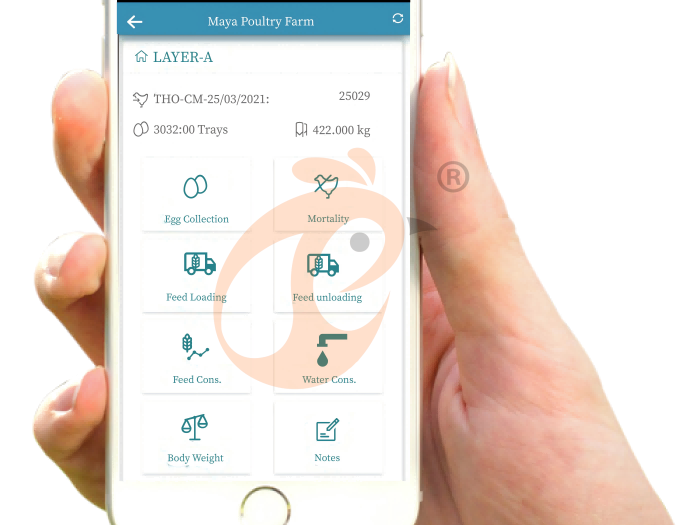
 IoT Smart Poultry FarmRead More
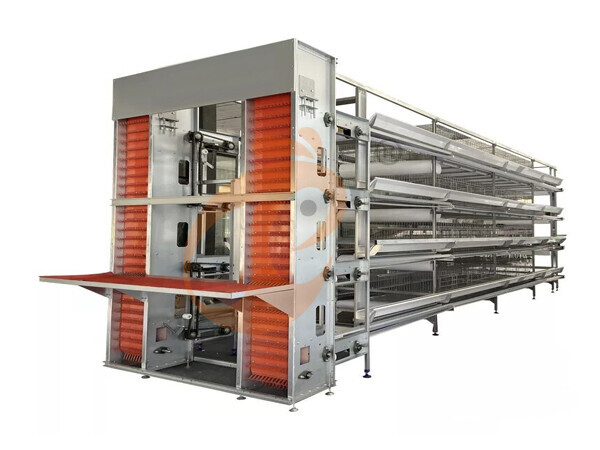
 >30,000 Layers Automatic H Type Battery CageRead More
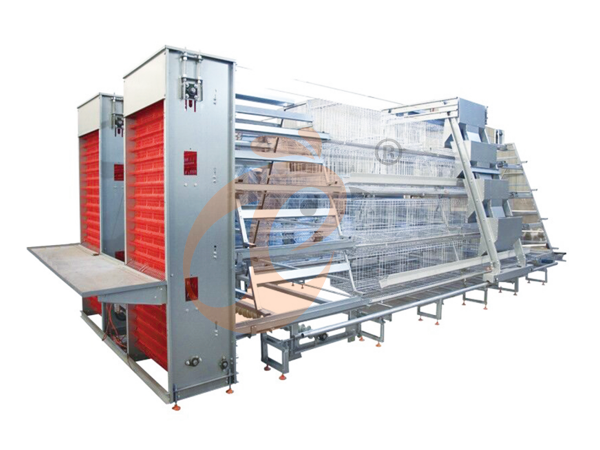
 10,000 - 30,000 Layers Automatic A Type Battery CageRead More
MESSAGE
NEWS
 What Makes A Factory-Direct A Type Chicken Battery Cage More Cost-Effective? 4 ReasonsRead More
 Deep Litter System For Broilers Vs Cage | Which Is More Profitable?Read More
 Free Range Broiler System Vs Intensive Farming | Which Is More Profitable?Read More
 Broiler Floor Rearing System Cost | 6 Factors Affecting PriceRead More