

BLOG
Ethiopian poultry farming investment is expanding rapidly, with national egg consumption exceeding 2.8 billion eggs annually and strong demand for efficient egg production systems
This article analyzes cost structure of layer farming in Ethiopia including housing equipment feed and labor expenses with localized insights
Detailed tables provide structured financial estimates aligned with commercial farm conditions in Ethiopia
Practical solutions address energy instability feed inflation and workforce skill gaps affecting production efficiency
Data supports investment planning for scalable poultry operations in Ethiopia
Get professional poultry farm construction guidance, equipment selection solutions, and the latest price lists, whatsApp to +8618830120193, click to learn more:

Ethiopia Branch Office And Factory Of Poultry Farm Equipment
Understanding H Type Cage Systems In Ethiopia
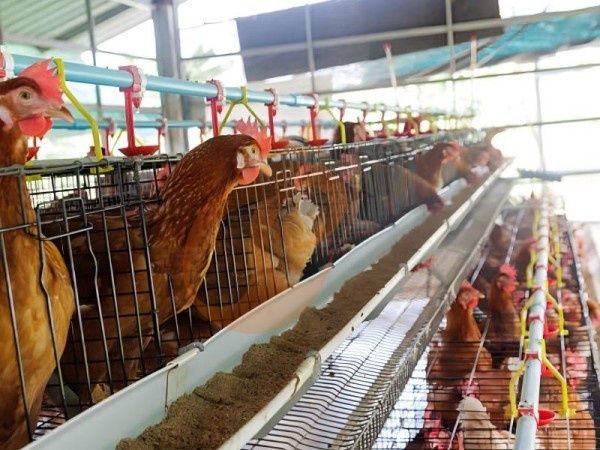
H-type chicken cage systems are engineered for intensive production environments, supporting stocking densities above 18 birds per square meter in Ethiopian commercial farms.
Compared to A-type systems, they reduce manual intervention by integrating automated feeding, manure removal, and egg collection systems.
In peri-urban areas such as around Addis Ababa, land prices can exceed 8,000 Ethiopian Birr per square meter, making vertical cage systems economically necessary.
However, higher steel consumption and automation components significantly increase upfront capital requirements.
Data is for reference only.Swipe horizontally to view full table.
Market Price Of Cage Systems In Ethiopia
Cage pricing is influenced by import duties, foreign exchange availability, and transportation from Djibouti port, where logistics costs can account for 12–18% of total equipment value.
Lead time for imported cage systems typically ranges from 45 to 70 days depending on shipping schedules and customs clearance efficiency.
Local fabrication reduces cost but may affect structural precision and long-term durability under high stocking conditions.
Data is for reference only.Swipe horizontally to view full table.
This pricing structure directly shapes poultry farm cost Ethiopia and investment scale decisions.
Cost Per Bird In Ethiopian Conditions
Per-bird investment in H-type systems typically correlates with production efficiency, where well-managed farms achieve laying rates above 90% during peak cycles.
In Ethiopian commercial operations, cage lifespan averages 12–15 years when galvanized steel thickness exceeds 275 g/m² zinc coating standards.
Higher upfront cost is offset by improved feed conversion ratios, often reaching 2.0–2.2 kg feed per dozen eggs under optimized conditions.
Data is for reference only.Swipe horizontally to view full table.
These parameters align with modern layer farming Ethiopia performance benchmarks.
Capital Investment For 10,000 Layers
A 10,000-layer farm in Ethiopia typically requires 1,200–1,500 square meters of housing space depending on system configuration and service corridors.
Construction timelines range between 60 and 120 days depending on material availability and contractor efficiency.
Financing remains a constraint, with agricultural loan interest rates commonly ranging between 12% and 18% annually.
Data is for reference only.Swipe horizontally to view full table.
This structure defines baseline Ethiopian poultry farming investment requirements.
(European union standard reference only)
Housing And Environmental Control Costs
Temperature variation in Ethiopia ranges from 10°C in highlands to above 32°C in lowland regions, requiring adaptable housing design.
Ventilation systems typically operate at airflow rates of 3.5–5.0 m³ per hour per bird to maintain air quality and reduce ammonia accumulation below 20 ppm.
Insufficient airflow directly reduces feed intake and egg production consistency.
Data is for reference only.Swipe horizontally to view full table.
Environmental control significantly stabilizes productivity across seasonal variations.
(European union standard reference only)
Feed Cost The Dominant Expense
Feed accounts for approximately 65–75% of total production cost in Ethiopian poultry farms.
Maize prices in Ethiopia have shown volatility of up to 30% annually due to weather variability and supply chain disruptions.
Protein sources such as soybean meal are often imported, increasing exposure to foreign exchange constraints.
Average daily feed intake for layers ranges between 105–115 grams per bird under commercial conditions.
Data is for reference only.Swipe horizontally to view full table.
Feed efficiency directly determines poultry farm cost Ethiopia competitiveness.
(European union standard reference only)
Labor And Utility Costs
Labor productivity in Ethiopian poultry farms typically ranges between 2,500 and 4,000 birds per worker depending on automation level.
Electricity outages can exceed 8 hours per week in some regions, requiring backup systems for continuous operation.
Diesel generator usage increases operational cost by approximately 6–10 Ethiopian Birr per kWh compared to grid electricity.
Data is for reference only.Swipe horizontally to view full table.
Reliable energy supply is critical for automated chicken cage system performance.
(European union standard reference only)
Health And Biosecurity Investment
Mortality rates in poorly managed Ethiopian farms can exceed 12%, while well-managed operations maintain levels below 5%.
Vaccination schedules typically include Newcastle disease, infectious bronchitis, and Gumboro disease.
Biosecurity protocols reduce disease transmission risks, particularly in high-density cage systems.
Data is for reference only.Swipe horizontally to view full table.
Effective health management ensures stable production output.
(European union standard reference only)
Egg Handling And Waste Management
Egg breakage rates in manual systems can reach 6–8%, while automated systems reduce losses to below 2%.
Urban markets such as Addis Ababa demand consistent egg size grading and hygienic packaging standards.
Manure processing can generate additional income streams through organic fertilizer sales.
Data is for reference only.Swipe horizontally to view full table.
Post-production efficiency enhances profitability in Ethiopian markets.
(European union standard reference only)
Total Investment And Annual Cost Summary
Break-even periods for Ethiopian layer farms using H-type systems typically range from 2.5 to 4 years depending on egg prices and feed costs.
Average egg prices fluctuate between 6 and 9 Ethiopian Birr per egg in urban markets, significantly influencing revenue stability.
Production cycles usually last 72–80 weeks before flock replacement.
Data is for reference only.Swipe horizontally to view full table.
This confirms capital intensity and long-term return structure of Ethiopian poultry farming investment.
(European union standard reference only)
Key Challenges In Ethiopia
Feed supply instability remains linked to seasonal agricultural output and limited storage infrastructure.
Foreign exchange shortages delay import of critical poultry equipment and feed additives.
Electricity reliability issues disrupt automated system continuity and increase maintenance requirements.
Transport infrastructure limitations raise distribution costs between rural farms and urban markets.
Limited technical training reduces efficiency of modern poultry systems adoption.
Practical Solutions For Ethiopian Farmers
Local feed formulation using by-products such as wheat bran and oilseed cake reduces dependency on imports.
Solar photovoltaic systems combined with battery storage provide stable power for automated operations.
Hybrid procurement strategies balance cost efficiency and equipment quality.
Technical training partnerships with agricultural institutes improve workforce capability.
Market integration strategies enhance pricing power through direct supply to urban retailers.
Frequently Asked Questions
Q1: Is H type chicken cage suitable for Ethiopian climate conditions?
A1: Yes, when designed with adequate ventilation and temperature control, it performs effectively across highland and lowland climates in Ethiopia.
Q2: How can farmers reduce poultry farm cost Ethiopia when using H type systems?
A2: Cost reduction can be achieved through optimized feed formulation, renewable energy adoption, and efficient farm management practices.
Q3: What is the biggest challenge for layer farming Ethiopia using automated systems?
A3: The primary challenge is unstable electricity supply, which can be mitigated through solar energy systems and energy storage solutions.
Ethiopia Best Hebei Machinery Manufacturing Plc - One Of Ethiopia Largest Layer Chicken Cage Manufacturer
Global factory direct supply ensures cost efficiency and stable delivery for poultry farm equipment projects
Advanced poultry cage systems designed for durability and optimized production performance
Turn-key engineering solutions covering farm design installation and technical support services
Extensive export experience enables customized solutions adapted to Ethiopian farming conditions
Comprehensive service system includes after sales support spare parts supply and operational guidance
Contact Us To Received Your Customized Poultry Farm Plan
Headquarters And Branchs

Hong Kong Headquarter Management Team
Hong Kong Headquarter Taiyu Industrial Group CO., LTD
China Hebei Best Machinery And Equipment CO., LTD
Nigeria Vanke Machinery And Equipment CO., LTD
Tanzania Best Machinery And Equipment CO., LTD
Ethiopia Best Hebei Machinery Manufacturing PLC




Reception /24 WhatsApp NO. : +8618830120193
PRODUCTS RECOMMENDED
 China Branch Manufacture Poultry Farm EquipmentRead More
 Ethiopia Branch Manufacture Poultry Farm EquipmentRead More
 Nigeria Branch Manufacture Poultry Farm EquipmentRead More
 Tanzania Branch Manufacture Poultry Farm EquipmentRead More
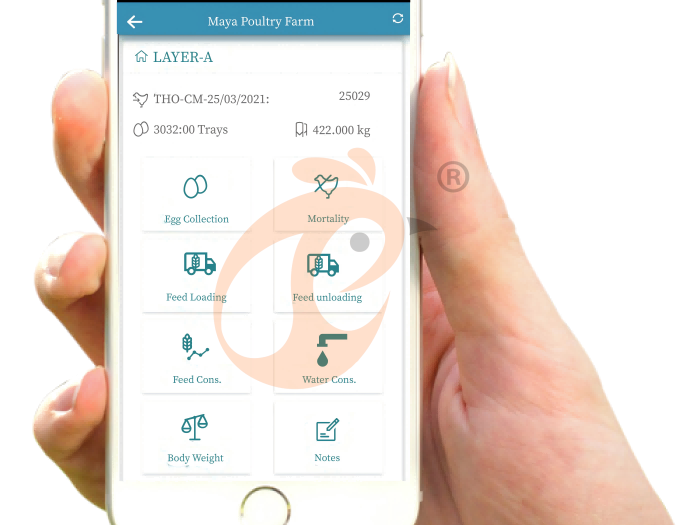
 IoT Smart Poultry FarmRead More
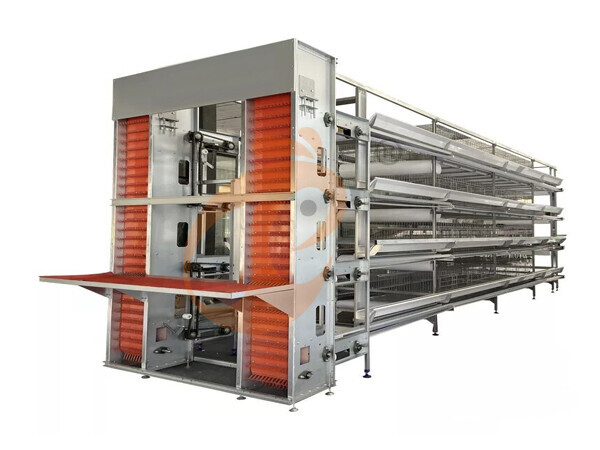
 >30,000 Layers Automatic H Type Battery CageRead More
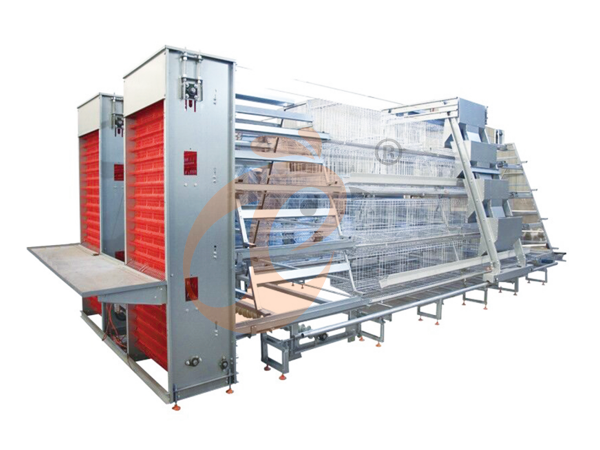
 10,000 - 30,000 Layers Automatic A Type Battery CageRead More
MESSAGE
NEWS
 What Makes A Factory-Direct A Type Chicken Battery Cage More Cost-Effective? 4 ReasonsRead More
 Deep Litter System For Broilers Vs Cage | Which Is More Profitable?Read More
 Free Range Broiler System Vs Intensive Farming | Which Is More Profitable?Read More
 Broiler Floor Rearing System Cost | 6 Factors Affecting PriceRead More