

NEWS
Deep litter system cost comparison reveals modern poultry housing investment differences with 10,000 bird production planning
Automatic poultry equipment solutions improve labor efficiency through feeding, watering, ventilation, and manure control integration
Commercial cage systems provide higher space utilization with engineered structures and reliable operation performance
Deep litter projects reduce initial construction requirements while requiring stronger daily management processes
Professional chicken house equipment selection creates balanced returns between startup budget and long-term production value
Get professional poultry farm construction guidance, equipment selection solutions, and the latest price lists, whatsApp to +8618830120193, click to learn more:
Initial Investment Comparison Between Deep Litter And Cage Systems
Data is for reference only.Swipe horizontally to view full table.
Initial investment planning directly influences poultry farm construction decisions.
Deep litter housing usually requires simpler structures because birds stay on prepared floors with bedding materials.
Cage systems require more professional components including galvanized cage frames, automatic feeding lines, nipple drinking equipment, and manure treatment solutions.
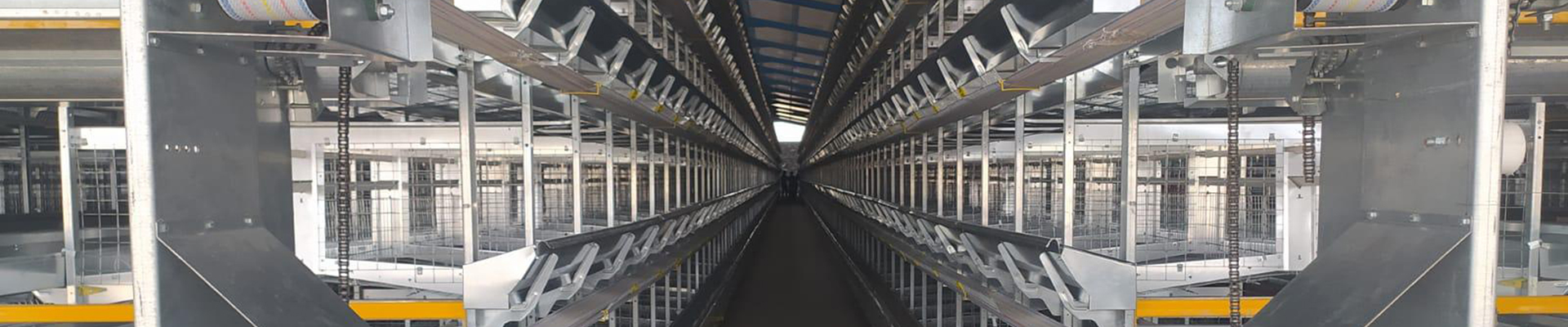
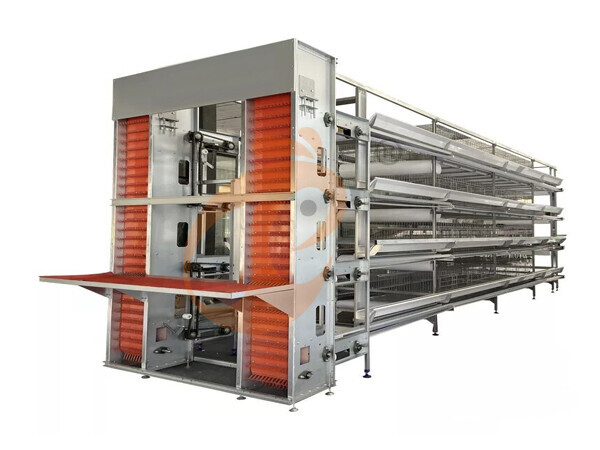
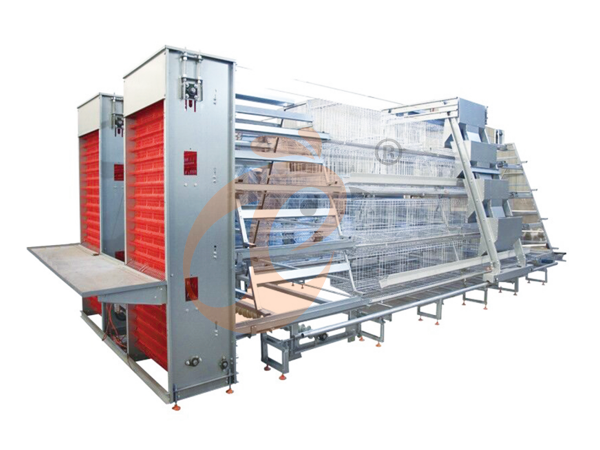
A complete H type chicken cage system provides intensive production capability by using vertical space and integrated equipment design.
Commercial farms often compare initial investment with future operation efficiency before selecting a housing structure.
Deep Litter System Cost Structure Analysis
Deep litter systems are commonly selected for projects requiring lower equipment complexity and flexible farm management.
The basic configuration normally includes poultry house structures, ventilation fans, feeders, drinkers, lighting systems, and litter management materials.
The system reduces mechanical investment during the construction stage.
However, operational expenses increase because workers need to control litter conditions, moisture levels, and cleaning procedures.
A complete environmental control design with 1.5 kW circulation fans and 0.8 air exchange cycles per minute can improve indoor conditions.
Deep litter production depends heavily on management quality because bedding conditions directly influence hygiene and daily operation stability.
Cage System Equipment Investment And Long-Term Value
Cage systems require higher project budgets because they combine multiple automation modules into one production solution.
A commercial installation may include automatic feed conveyors, egg collection systems, manure scraping equipment, and intelligent climate controllers.
Modern battery cage systems help farms achieve standardized production through controlled feeding and organized bird management.
The equipment investment creates additional value by reducing repetitive labor tasks.
For large poultry farms, automatic chicken cage equipment provides stronger production capacity and better management consistency.
Galvanized steel structures with corrosion-resistant treatment support long-term operation in different climate environments.
Operating Cost Comparison During Production
Data is for reference only.Swipe horizontally to view full table.
Operating expenses determine the actual profitability of poultry projects.
Deep litter systems save equipment expenses but require more manual work during daily operation.
Cage systems use automation technology to reduce labor dependence.
Automatic feeding equipment, nipple drinkers, and manure removal systems create a more efficient production workflow.
For farms with increasing labor costs, automated poultry equipment can provide better long-term economic performance.
Equipment Configuration Differences For Commercial Farms
Commercial poultry projects require complete engineering planning rather than individual equipment selection.
Different housing methods require different supporting systems.
Data is for reference only.Swipe horizontally to view full table.
Professional poultry equipment suppliers provide customized engineering solutions based on farm size and production requirements.
Deep litter projects focus on comfortable floor management.
Cage projects emphasize automation integration and production efficiency.
Complete solutions usually combine ventilation equipment, feeding systems, drinking systems, and manure handling machines.
Land Utilization And Production Efficiency Comparison
Land efficiency is one of the most important factors when evaluating poultry housing systems.
Deep litter houses require wider production areas because birds remain on the floor.
Cage systems increase capacity by using multi-layer structures.
A modern automatic chicken cage solution can improve building utilization through vertical installation.
For commercial farms, reduced land demand can create significant investment advantages.
Equipment layout, ventilation design, and feeding route planning directly influence production performance.
Efficient space planning allows farms to expand capacity without rebuilding complete facilities.
Labor And Automation Cost Analysis
Data is for reference only.Swipe horizontally to view full table.
Automation level directly affects production management efficiency.
Deep litter farms usually require more human inspection and manual adjustment.
Cage systems integrate mechanical equipment to simplify repeated operations.
Automatic poultry equipment reduces workload through centralized control of feeding, watering, and waste management.
The combination of reliable machinery and professional installation improves farm stability.
Maintenance Requirements And Equipment Lifespan
Maintenance planning affects the service performance of both housing systems.
Deep litter structures have fewer mechanical components, making basic maintenance easier.
Cage systems require regular inspection of motors, conveyors, control systems, and galvanized components.
High-quality poultry equipment can maintain stable operation through scheduled maintenance programs.
Technical support, spare parts availability, and equipment design quality influence the total ownership cost.
A professional installation team helps reduce future repair requirements.
Cost Selection Based On Farm Scale
Data is for reference only.Swipe horizontally to view full table.
Farm scale determines the suitable investment structure.
Small projects often choose lower-cost housing models.
Large production facilities require automation, accurate management, and higher output efficiency.
A complete chicken house equipment solution should consider current production targets and future expansion plans.
Feed Efficiency And Production Management Impact
Feed management represents a major part of poultry operating costs.
Deep litter systems may create higher feed waste because bird activity affects feeding control.
Cage systems provide controlled feeding environments through automated delivery equipment.
Feed mixers, pellet machines, and precision feeders can improve feed utilization.
A well-designed poultry production line combines equipment selection with management strategy.
Stable feeding performance supports consistent growth and production results.
Choosing A Suitable Poultry Equipment Solution
Poultry housing selection requires consideration of investment budget, production scale, and automation requirements.
Deep litter systems provide flexible construction options for farms requiring simple operation.
Cage systems provide stronger advantages for commercial farms focused on efficiency.
A complete engineering package may include chicken cages, ventilation fans, automatic feeding systems, nipple drinking systems, and manure removal equipment.
Professional equipment configuration helps farms achieve better productivity with controlled operating costs.
Final Cost Evaluation Between Deep Litter And Cage Systems
Data is for reference only.Swipe horizontally to view full table.
Deep litter systems provide lower initial investment and simpler construction methods.
Cage systems require higher capital but deliver improved automation and space efficiency.
European union standard reference only.
For modern poultry enterprises, selecting suitable chicken house equipment directly affects production efficiency and investment returns.
Taiyu (HK) Group - One Of China Largest Deep Litter System Manufacturer
Deep litter system provides engineered poultry housing solutions with durable structures, ventilation integration, and efficient farm management design
Global factory direct supply delivers complete poultry equipment packages with competitive production capability
Professional poultry equipment engineering supports Turn-key farm projects from planning through installation
International production facilities provide customized solutions for different climate and farming requirements
Complete technical service covers equipment delivery, installation guidance, and long-term project support
Frequently Asked Questions
Q1: What is the main cost difference between deep litter and cage systems?
Deep litter systems mainly save equipment investment, while cage systems require higher budgets for automation components.
Q2: Which system provides better space utilization for large farms?
Cage systems provide stronger space efficiency because multi-tier structures can increase production capacity inside limited buildings.
Q3: Can deep litter farms use automatic poultry equipment?
Yes, deep litter farms can integrate automatic feeders, ventilation systems, and drinking equipment for improved management efficiency.
Contact Us To Received Your Customized Poultry Farm Plan
Headquarters And Branchs

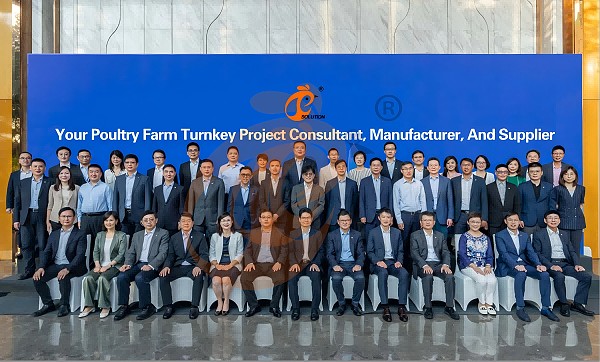
Hong Kong Headquarter Management Team
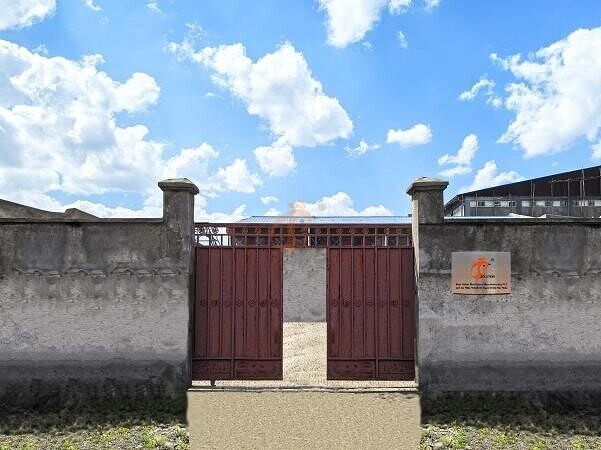
Hong Kong Headquarter Taiyu Industrial Group CO., LTD
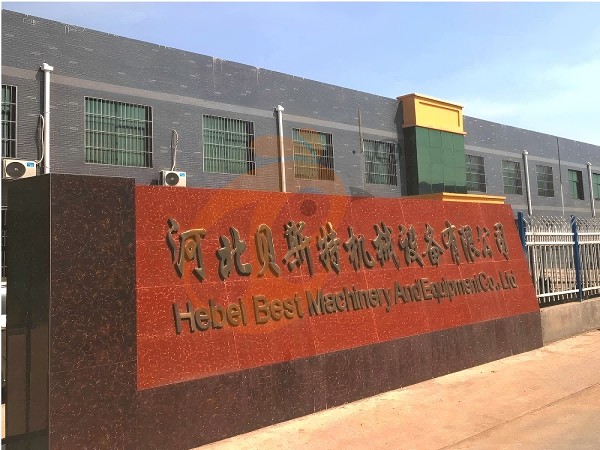
China Hebei Best Machinery And Equipment CO., LTD
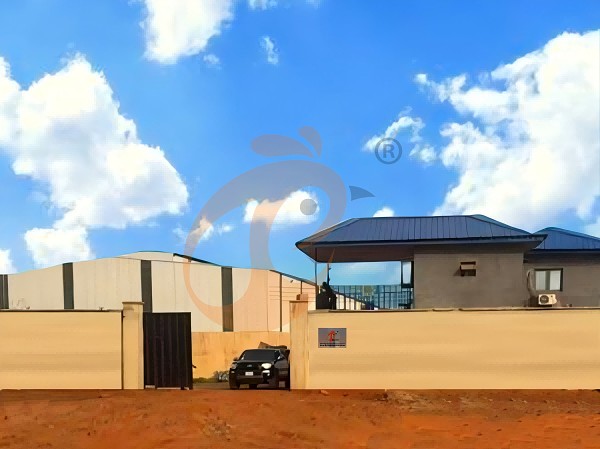
Nigeria Vanke Machinery And Equipment CO., LTD
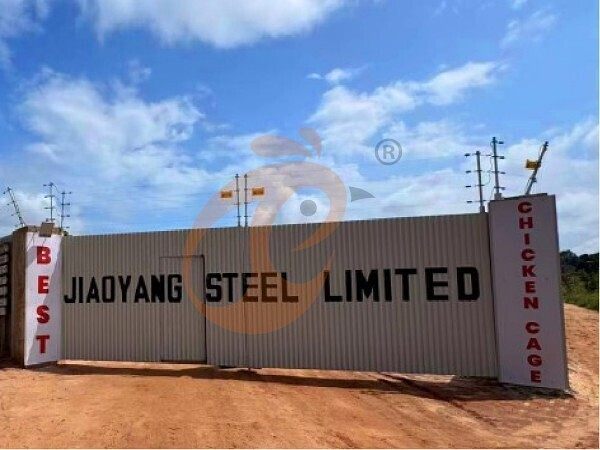
Tanzania Best Machinery And Equipment CO., LTD
Ethiopia Best Hebei Machinery Manufacturing PLC
Reception /24 WhatsApp NO. : +8618830120193
PRODUCTS RECOMMENDED
 China Branch Manufacture Poultry Farm EquipmentRead More
 Ethiopia Branch Manufacture Poultry Farm EquipmentRead More
 Nigeria Branch Manufacture Poultry Farm EquipmentRead More
 Tanzania Branch Manufacture Poultry Farm EquipmentRead More
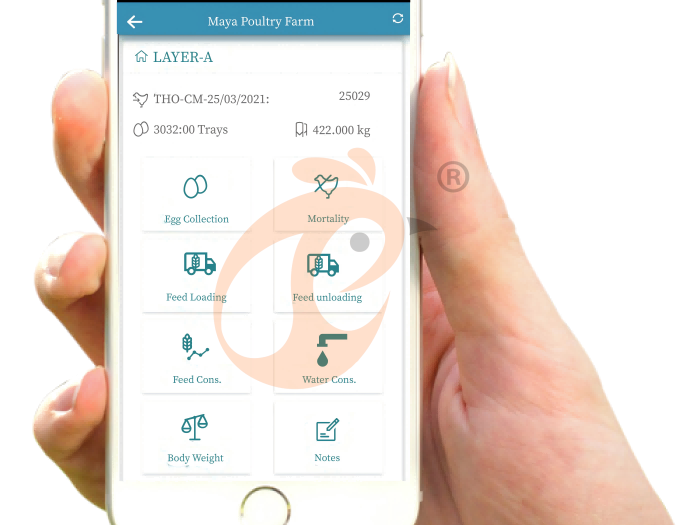
 IoT Smart Poultry FarmRead More
 >30,000 Layers Automatic H Type Battery CageRead More
 10,000 - 30,000 Layers Automatic A Type Battery CageRead More
MESSAGE
NEWS
 50,000 - 100,000 chickens/house: poultry farm solution, chicken cage, poultry farm equipment, AI smart managementRead More
 30,000 - 50,000 chickens/house: poultry farm solution, chicken cage, poultry farm equipment, AI smart managementRead More
 10,000 - 30,000 chickens/house: poultry farm solution, chicken cage, poultry farm equipment, AI smart managementRead More
 100 - 10,000 chickens/house: poultry farm solution, chicken cage, poultry farm equipment, AI smart managementRead More