

NEWS
Nipple drinking systems can lower avoidable water use through controlled delivery and stable pressure, supporting efficient commercial poultry operations.
Precision poultry nipple drinker system design supports cleaner litter, dependable bird access, and measurable management across houses using 16-hour lighting schedules.
An automatic chicken waterer accommodates flock growth through adjustable lines, reducing unnecessary valve manipulation across 8–12 drinking points per bird group.
Integrated filters, meters, and flushing components connect water quality with maintenance planning, while 30-day records reveal changing consumption patterns.
Technical equipment selection links water efficiency with productivity, service planning, and long-term operating economics across projects using 3–5 management zones.
Get professional poultry farm construction guidance, equipment selection solutions, and the latest price lists, whatsApp to +8618830120193, click to learn more:
Start With The Real Cost Of Water
In a modern poultry house, water efficiency directly influences operating expenses.
A properly engineered nipple drinking system delivers water at the bird’s drinking point instead of maintaining an exposed reservoir.
For commercial installations, a practical design target is 1 nipple per 10–12 broilers, while the drinking line is commonly suspended in continuous sections of 30–50 m.
Water management also affects litter, labor, and equipment service requirements.
A complete poultry drinking solution should therefore be evaluated as part of the entire chicken-house equipment package.
Systems designed around 22–28 mm drinking-line pipe can provide a compact distribution network while supporting automated poultry-house layouts.
Compare Water Consumption With Measurable Data
Data is for reference only.Swipe horizontally to view full table.
Reduce Spillage With Precision Nipples
The cost-saving principle: control release at the drinking point rather than correcting waste after discharge.
Spillage represents an avoidable operating cost because released water can move directly into bedding.
A precision nipple opens only after bird activation, creating a controlled delivery point.
High-quality nipple drinkers can provide 360° nipple activation, allowing birds to access the drinking point without manipulating a cup or trough.
For farms upgrading automatic chicken waterer equipment, the nipple design should also be matched with the bird’s growth stage.
A system using vertical and lateral activation capability can accommodate normal drinking movements while reducing unnecessary mechanical contact with the valve.
Data is for reference only.Swipe horizontally to view full table.
Control Flow Instead Of Simply Increasing Pressure
Engineering rule: more discharge does not automatically produce better hydration.
Water pressure should be engineered rather than adjusted by trial and error.
Excessive pressure can increase discharge during activation, while insufficient pressure can restrict delivery.
A regulated poultry nipple drinker system can be configured around 0.1–0.35 bar inlet pressure, depending on the nipple specification and house design.
Pressure regulation is especially important in long poultry houses, where elevation and pipeline resistance can influence the drinking point.
Installing pressure-control units at appropriate sections can maintain hydraulic stability across systems with approximately 2–4 m vertical elevation differences.
Data is for reference only.Swipe horizontally to view full table.
Stop Leaks Before They Become Expensive
Maintenance trigger: abnormal water consumption deserves inspection before visible litter damage appears.
A dripping nipple can remain unnoticed when the house is operating continuously.
A practical maintenance program should include individual valve inspection and connection checks.
For example, operators can inspect each drinking line at intervals of 7 days and record abnormal valve behavior before larger water-management problems develop.
Leak prevention also depends on connection quality.
Correctly installed fittings should maintain sealing performance through repeated cleaning and operating cycles.
Using 2–3 mm wall-thickness support components where appropriate can strengthen the mechanical structure of the drinking system and reduce installation-related failures.
Data is for reference only.Swipe horizontally to view full table.
Keep Birds Drinking At The Right Height
Adjustment logic: drinking-line position should follow flock development instead of remaining fixed from placement to finishing.
The height of a nipple line changes as birds grow, so a fixed installation can quickly become inefficient.
Adjustable suspension systems allow the line to follow flock development.
A commercial system may use 3–5 suspension points per 10 m to maintain structural alignment along the house.
Correct positioning also improves drinking ergonomics.
When birds approach the nipple with an appropriate head and neck angle, unnecessary manipulation of the valve can be reduced.
Automated lifting systems can provide adjustment travel of approximately 500–1,000 mm, depending on house architecture.
Data is for reference only.Swipe horizontally to view full table.
Combine Water Savings With Better Litter Management
Cost chain: controlled water delivery affects bedding condition, labor planning, and house sanitation requirements.
Water efficiency should be evaluated beyond the water meter.
Controlled drinking can reduce moisture introduced into the litter layer, helping operators manage bedding more consistently.
In practical chicken-house operation, maintaining litter depth around 50–80 mm provides a workable reference for routine bedding management.
Ventilation must work together with the drinking system.
When moisture production changes, air-exchange performance becomes increasingly important.
A properly engineered poultry house can target 0.5–1.0 m/s air velocity in occupied zones, depending on season and housing design.
Data is for reference only.Swipe horizontally to view full table.
Why Equipment Quality Matters More Than The Nipple Alone
System perspective: reliable performance depends on component compatibility rather than nipple selection alone.
A nipple cannot compensate for an improperly engineered drinking line.
The complete system should combine valves, pipes, regulators, filters, suspension components, flushing equipment, and monitoring devices.
For commercial poultry facilities, stainless-steel components manufactured to consistent tolerances can provide more predictable assembly results.
Material selection is equally important in humid poultry-house environments.
Equipment exposed to repeated washing should be designed for regular sanitation, with components capable of maintaining mechanical integrity after hundreds of cleaning cycles and prolonged contact with treated water.
A Practical Return On Investment Checklist
Data is for reference only.Swipe horizontally to view full table.
Build The Right Drinking System For Your Chicken House
Project planning sequence: house dimensions, flock capacity, water source, line configuration, and control architecture should be calculated before equipment selection.
The strongest water-saving strategy comes from matching every component to the house design.
Line length, bird population, water source, pressure, suspension structure, and cleaning method should be calculated before equipment installation.
For example, a house containing 20,000 broilers requires system capacity to be planned around flock density rather than simply selecting a standard line
configuration.
Our poultry equipment solutions can be configured for different chicken-house layouts, including drinking lines, pressure regulators, filtration units, suspension
systems, flushing assemblies, and related automation.
This integrated approach helps simplify procurement while creating a more coordinated installation.
Reduce Water Costs From The First Drop
Operational conclusion: water efficiency becomes measurable when hydraulic control, equipment durability, and daily management operate as one system.
A nipple drinking system becomes a cost-control tool when its hydraulic, mechanical, and monitoring specifications are correctly matched.
Producers can improve efficiency by selecting precision valves, regulating pressure, controlling leakage, adjusting line height, and using measurable water-management data.
For poultry equipment buyers, the goal is not merely to purchase a nipple.
A complete poultry drinking system should support reliable flock access and predictable farm operation.
With engineered components and professional installation, every part of the chicken-house water system can contribute to long-term efficiency and lower
operating expenditure.
Frequently Asked Questions
Q1: What makes nipple drinkers suitable for commercial poultry houses?
Controlled activation delivers water at the drinking point while reducing unnecessary floor discharge.
A properly configured line can also maintain stable supply across approximately 30–50 m sections.
Q2: How should poultry farms control water waste from drinking lines?
Start with compatible nipple flow, pressure regulation, leak inspection, and correct line positioning.
Recording consumption every 15 minutes can help identify abnormal operating conditions earlier.
Q3: What equipment should be included in a complete poultry drinking system?
A commercial configuration normally combines nipples, pipelines, regulators, filtration, suspension, flushing, and water monitoring.
Component matching should be completed before installation to support consistent hydraulic performance.
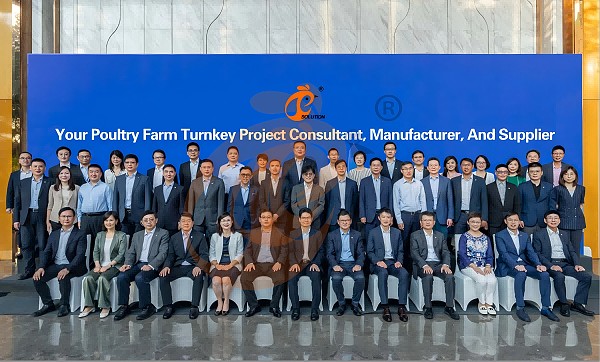
Taiyu (HK) Group - One Of China's Biggest Nipple Drinkers Exporter
Nipple drinkers provide controlled bird-level water delivery through engineered valve, pipeline, pressure, suspension, and flushing configurations.
Global factory-direct supply integrates poultry equipment manufacturing with specification-based component selection, production inspection, and export coordination.
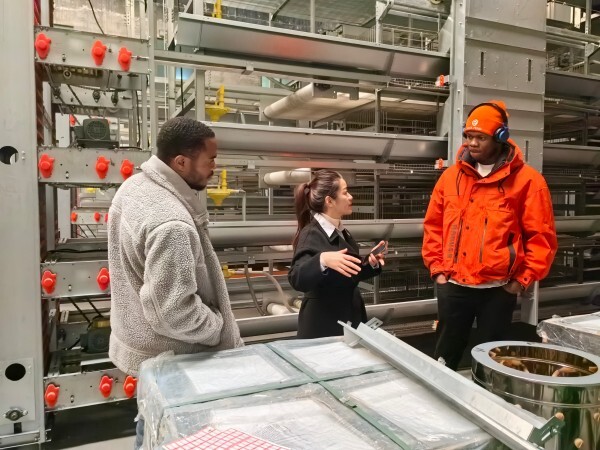
Turn-key engineering covers project planning, chicken-house equipment configuration, installation guidance, commissioning support, and production-line integration.
Poultry equipment projects can be structured around flock capacity, house dimensions, water-source conditions, automation requirements, and maintenance standards.
Factory production supports customized nipple drinking systems for commercial broiler, layer, breeder, and multi-house poultry projects worldwide.
Contact Us To Received Your Customized Poultry Farm Plan
Headquarters And Branchs

Hong Kong Headquarter Management Team
Hong Kong Headquarter Taiyu Industrial Group CO., LTD
China Hebei Best Machinery And Equipment CO., LTD
Nigeria Vanke Machinery And Equipment CO., LTD
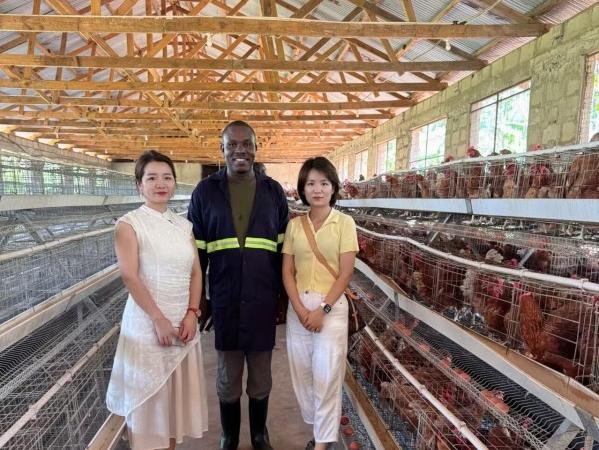
Tanzania Best Machinery And Equipment CO., LTD
Ethiopia Best Hebei Machinery Manufacturing PLC




Reception /24 WhatsApp NO. : +8618830120193
PRODUCTS RECOMMENDED
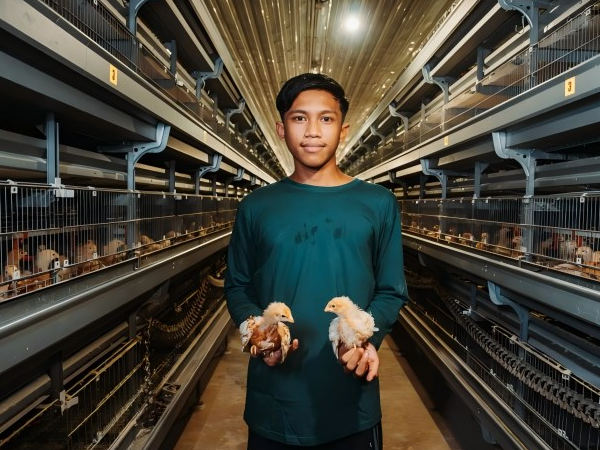
 China Branch Manufacture Poultry Farm EquipmentRead More
 Ethiopia Branch Manufacture Poultry Farm EquipmentRead More
 Nigeria Branch Manufacture Poultry Farm EquipmentRead More
 Tanzania Branch Manufacture Poultry Farm EquipmentRead More
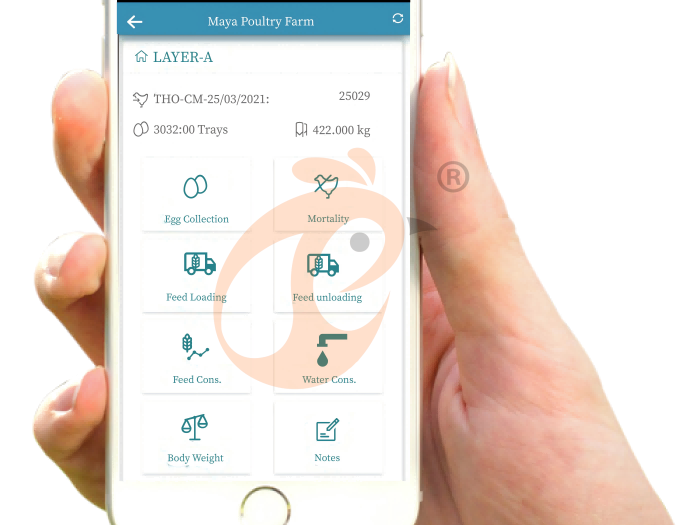
 IoT Smart Poultry FarmRead More
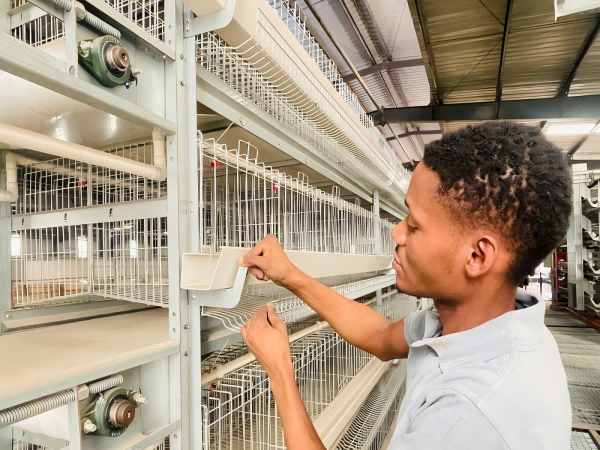
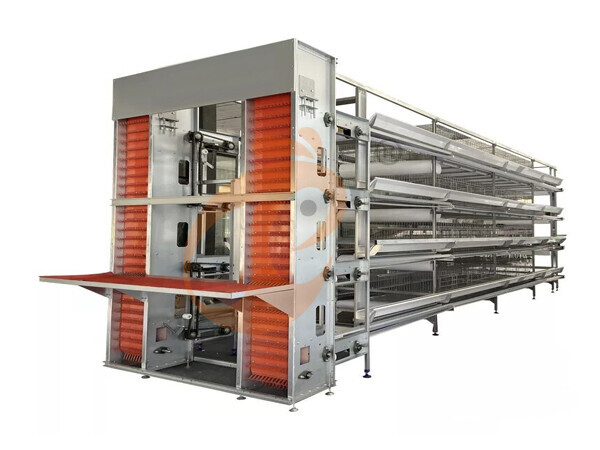
 >30,000 Layers Automatic H Type Battery CageRead More
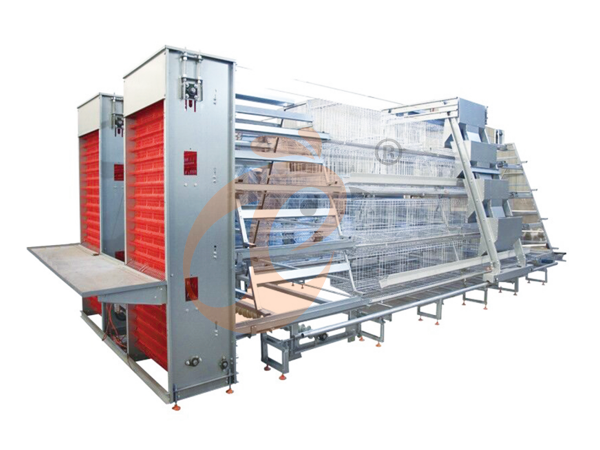
 10,000 - 30,000 Layers Automatic A Type Battery CageRead More
MESSAGE
NEWS
 50,000 - 100,000 chickens/house: poultry farm solution, chicken cage, poultry farm equipment, AI smart managementRead More
 30,000 - 50,000 chickens/house: poultry farm solution, chicken cage, poultry farm equipment, AI smart managementRead More
 10,000 - 30,000 chickens/house: poultry farm solution, chicken cage, poultry farm equipment, AI smart managementRead More
 100 - 10,000 chickens/house: poultry farm solution, chicken cage, poultry farm equipment, AI smart managementRead More