

NEWS
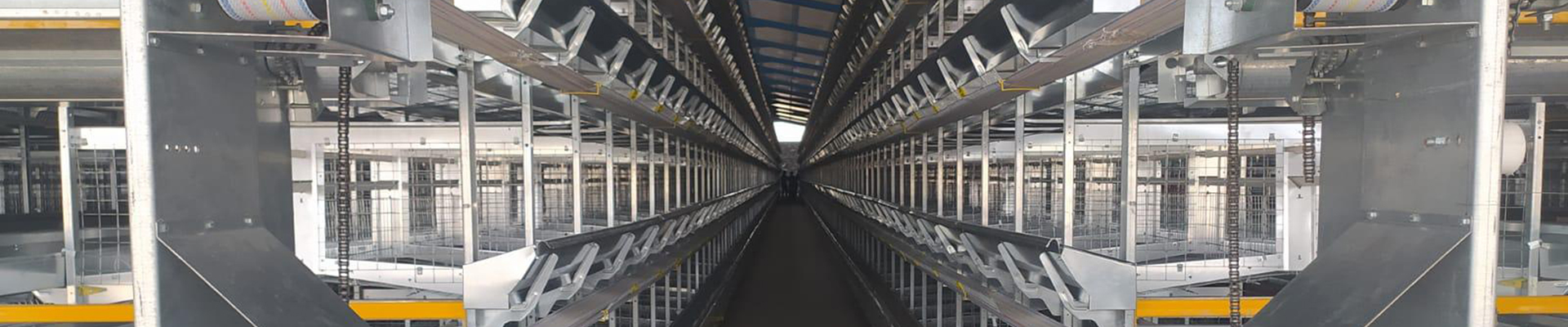
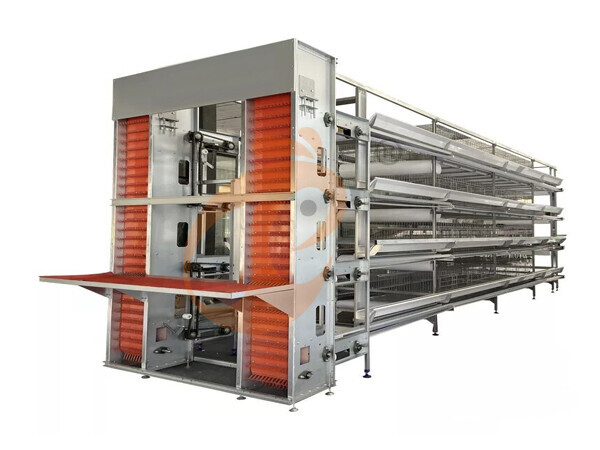
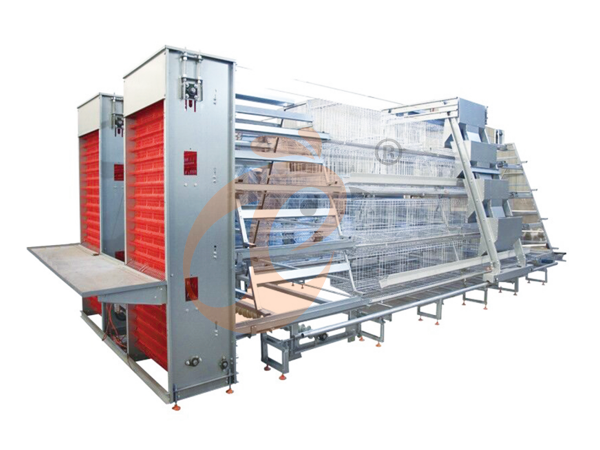
H type battery chicken cages provide advanced layer farming solutions with 128 to 512 birds per set and 488 cm² space per bird for efficient production.
Multi-tier cage designs from 4 to 16 levels support different farm scales and improve building utilization.
Complete poultry equipment integration combines feeding, drinking, ventilation, and manure systems for modern management.
Professional engineering checks improve installation accuracy, equipment stability, and long-term farm performance.
Customized project planning helps commercial farms select suitable cage configurations and achieve reliable operation.
Get professional poultry farm construction guidance, equipment selection solutions, and the latest price lists, whatsApp to +8618830120193, click to learn more.
Understanding H Type Battery Chicken Cages Before Installation
H type battery chicken cages are designed for commercial layer farms requiring efficient space utilization and automated management.
Available H1, H2, H3, and H4 models provide different production capacities from 128 birds to 512 birds per set.
Each cage cell adopts a 60 × 62.5 × 48 cm structure and supports 8 birds under standard configuration.
Data is for reference only.Swipe horizontally to view full table.
Scientific poultry production requires accurate equipment selection before installation.
Suitable cage specifications help farms balance production capacity, building space, and operating efficiency.
Taiyu provides H type battery chicken cages with customized configurations for different commercial poultry projects.
Checking Poultry House Structure Requirements
The poultry house structure must be evaluated before installing multi-tier cage systems.
Building height is especially important because H type designs include 4-tier, 8-tier, 12-tier, and 16-tier configurations.
A professional site inspection ensures cage height, maintenance space, and ventilation systems are properly arranged.
Data is for reference only.Swipe horizontally to view full table.
Correct building preparation reduces installation difficulties and improves equipment utilization.
Professional engineering teams analyze farm conditions before manufacturing and delivery.
Selecting High Quality Cage Materials
Material selection directly influences cage stability and service performance.
Commercial poultry farms operate in environments with humidity, feed dust, and daily cleaning requirements.
High-quality galvanized structures help maintain reliable performance throughout long production cycles.
Data is for reference only.Swipe horizontally to view full table.
Each cage component requires precise manufacturing control to maintain consistent quality.
Reliable materials support safer bird management and reduce maintenance requirements.
Evaluating Automatic Feeding System Compatibility
Modern layer farms depend on automatic feeding technology to maintain stable production.
Automatic feeding system integration allows feed delivery equipment to operate together with H type battery chicken cages.
Farm owners should confirm feeder structure, drive systems, and cage connection methods before installation.
Data is for reference only.Swipe horizontally to view full table.
Automatic feeding reduces labor dependence and improves daily farm management efficiency.
Integrated equipment solutions help customers build more intelligent poultry production systems.
Checking Drinking System Performance
Water management is essential for maintaining healthy flock conditions.
Before installation, technicians should inspect pipeline arrangement, water pressure, and nipple placement.
A reliable drinking system ensures every cage level receives sufficient clean water.
Data is for reference only.Swipe horizontally to view full table.
Clean water delivery is an important factor affecting poultry production results.
Professional suppliers normally provide matching drinking systems with complete cage solutions.
Reviewing Ventilation And Climate Control
Environmental control systems must be considered before cage installation.
Different cage heights require suitable airflow planning to maintain balanced poultry house conditions.
Poultry house equipment with ventilation and climate solutions helps create stable production environments.
Data is for reference only.Swipe horizontally to view full table.
Proper environmental management helps reduce production fluctuations.
Engineering design should combine cage arrangement with airflow direction and climate conditions.
Planning Efficient Manure Removal Systems
Manure removal equipment is an important part of modern cage farming systems.
Automatic systems reduce cleaning workload and support better hygiene management.
Before installation, farmers should confirm manure belt size, drive system, and collection method.
Data is for reference only.Swipe horizontally to view full table.
Efficient manure management improves working conditions and supports cleaner poultry production.
Complete cage solutions should include suitable manure handling systems.
Confirming Installation Layout And Future Expansion
A practical layout design improves workflow and simplifies equipment operation.
Farm owners should consider cage rows, inspection paths, and future expansion before installation.
Data is for reference only.Swipe horizontally to view full table.
Customized layout planning allows farms to achieve higher building utilization.
Professional manufacturers provide engineering drawings according to project requirements.
Checking Electrical Safety And Control Systems
Automation equipment requires stable power supply and reliable control systems for continuous operation.
Before commissioning, technicians should inspect electrical connections, control cabinets, and protection devices.
A well-designed electrical system supports automatic feeding, ventilation control, and daily farm management.
Data is for reference only.Swipe horizontally to view full table.
Reliable electrical planning improves equipment availability and reduces unexpected production risks.
Professional installation teams check automation connections before final operation.
Optimizing Production Goals Before Installation
Farm planning should match cage configuration with production targets and future expansion requirements.
Different H type models provide flexible choices for farms with various building conditions.
H1, H2, H3, and H4 configurations allow farmers to select suitable capacity according to management objectives.
Data is for reference only.Swipe horizontally to view full table.
Selecting the correct model helps avoid unnecessary investment and improves space planning.
Commercial farms should consider current requirements and possible production growth before purchasing equipment.
Choosing Reliable Poultry Equipment Suppliers
A reliable supplier provides more than cage manufacturing.
Engineering ability, production quality, installation support, and after-sales service influence the final project performance.
Global poultry farms usually prefer manufacturers that can provide complete equipment packages and technical assistance.
Data is for reference only.Swipe horizontally to view full table.
Choosing an experienced supplier reduces project communication problems and improves installation efficiency.
Taiyu focuses on providing complete poultry solutions with professional manufacturing capability.
Installation Preparation For Successful Farm Operation
Preparation before equipment arrival can improve installation efficiency and reduce project delays.
Farm owners should complete foundation checks, transportation planning, and worker arrangements before installation.
Professional teams usually inspect every component before commissioning the complete system.
Data is for reference only.Swipe horizontally to view full table.
A structured installation process helps farms start production smoothly.
Technical guidance from experienced manufacturers improves long-term equipment operation.
Considering Investment Value And Project Efficiency
Modern poultry farms need equipment that provides reliable performance and reasonable operating costs.
Investment decisions should consider equipment configuration, automation level, and expected production scale.
For example, complete poultry projects may require approximately $50,000-$150,000 depending on farm size and system selection.
European union standard reference only.
Data is for reference only.Swipe horizontally to view full table.
A complete project evaluation helps customers understand long-term benefits instead of focusing only on initial purchase costs.
Professional equipment suppliers provide technical solutions based on farm conditions and production goals.
Building Long Term Farm Development Plans
Successful poultry production requires equipment that can support future development.
H type battery chicken cages provide flexible configurations for farms expanding from smaller operations to larger commercial facilities.
The combination of durable structures and automation systems helps farms improve management efficiency.
Data is for reference only.Swipe horizontally to view full table.
Long-term planning allows poultry businesses to maintain competitiveness in changing markets.
Professional engineering support helps customers create sustainable farm development strategies.
Final Preparation Before Operating H Type Battery Chicken Cages
Before placing birds into the cages, farmers should complete final equipment inspections.
Checking feeding systems, drinking systems, ventilation, and control functions ensures stable operation.
A detailed commissioning process helps identify possible issues before production begins.
Data is for reference only.Swipe horizontally to view full table.
Proper preparation creates a strong foundation for efficient poultry farming.
H type battery chicken cages combined with professional poultry equipment solutions help farms achieve organized and automated production management.
Frequently Asked Questions
Q1: What models are available for H type battery chicken cages?
A1: Commercial H type systems usually include H1, H2, H3, and H4 models.
Configurations range from 4 to 16 tiers, with capacity from 128 to 512 birds per set.
Q2: What space does each cage cell provide for birds?
A2: Each standard cell size is 60 × 62.5 × 48 cm.
The system provides 488 cm² space per bird with 8 birds arranged in each cell.
Q3: Why should farms choose a complete poultry equipment solution?
A3: A complete solution combines cages, feeding, drinking, ventilation, and manure systems.
Integrated engineering reduces installation problems and improves daily farm management efficiency.
Taiyu (HK) Group - One Of China Biggest H Type Battery Chicken Cages Manufacturer
H type battery chicken cages provide 4-16 tier commercial layer farming solutions with H1-H4 configurations and 128-512 birds per set capacity.
Global factory direct sales deliver professional poultry equipment solutions with controlled manufacturing processes and international project support.
Complete poultry equipment systems include cages, automatic feeding, drinking, manure removal, and environmental management units.
Turn-key engineering projects cover design planning, equipment production, installation guidance, commissioning service, and technical training.
Worldwide customers receive customized agricultural solutions supported by experienced engineers and reliable supply chain management.
Contact Us To Received Your Customized Poultry Farm Plan
Headquarters And Branchs

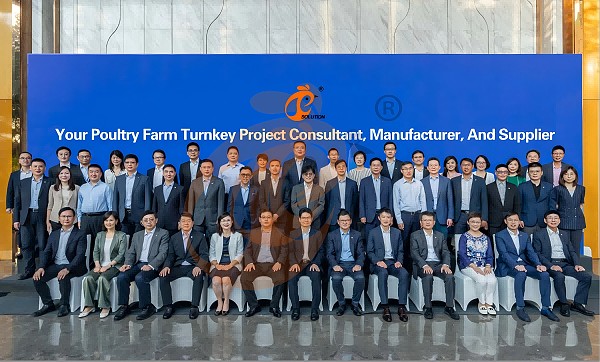
Hong Kong Headquarter Management Team
Hong Kong Headquarter Taiyu Industrial Group CO., LTD
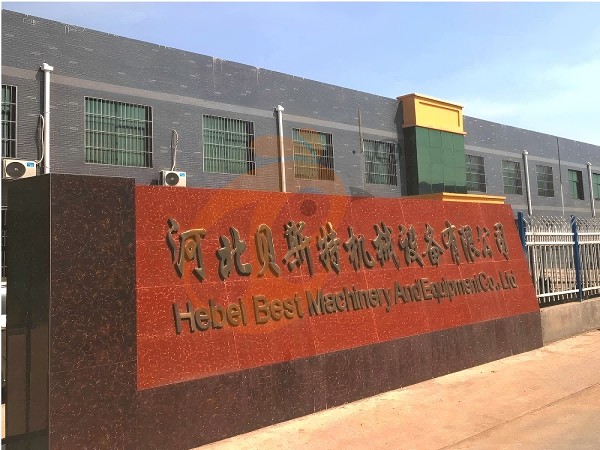
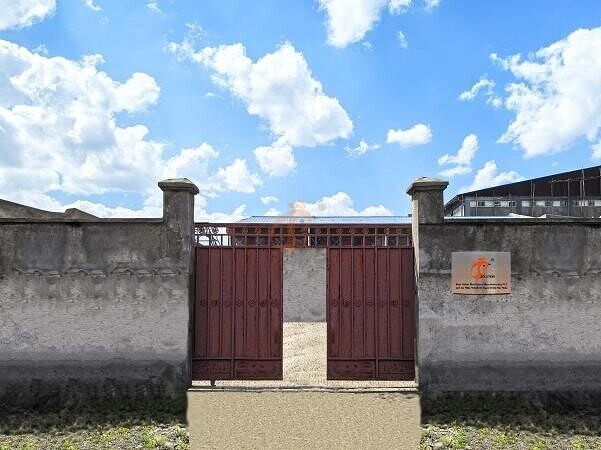
China Hebei Best Machinery And Equipment CO., LTD
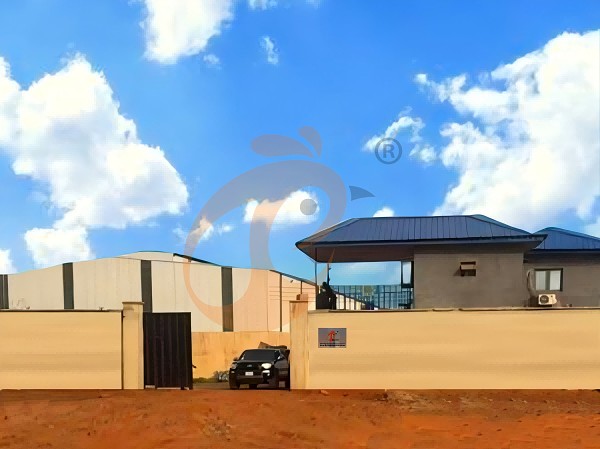
Nigeria Vanke Machinery And Equipment CO., LTD
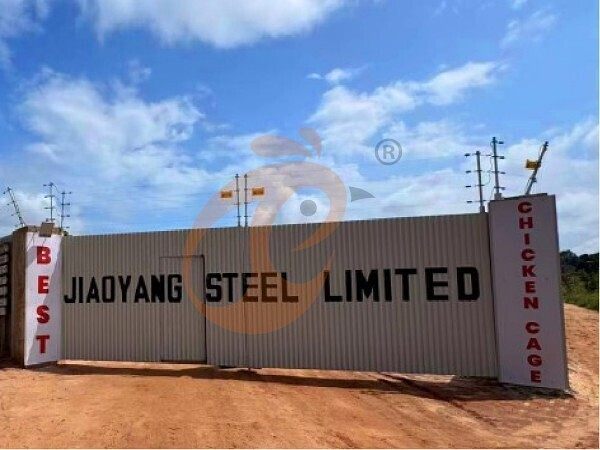
Tanzania Best Machinery And Equipment CO., LTD
Ethiopia Best Hebei Machinery Manufacturing PLC
Reception /24 WhatsApp NO. : +8618830120193
PRODUCTS RECOMMENDED
 China Branch Manufacture Poultry Farm EquipmentRead More
 Ethiopia Branch Manufacture Poultry Farm EquipmentRead More
 Nigeria Branch Manufacture Poultry Farm EquipmentRead More
 Tanzania Branch Manufacture Poultry Farm EquipmentRead More
 IoT Smart Poultry FarmRead More
 >30,000 Layers Automatic H Type Battery CageRead More
 10,000 - 30,000 Layers Automatic A Type Battery CageRead More
MESSAGE
NEWS
 50,000 - 100,000 chickens/house: poultry farm solution, chicken cage, poultry farm equipment, AI smart managementRead More
 30,000 - 50,000 chickens/house: poultry farm solution, chicken cage, poultry farm equipment, AI smart managementRead More
 10,000 - 30,000 chickens/house: poultry farm solution, chicken cage, poultry farm equipment, AI smart managementRead More
 100 - 10,000 chickens/house: poultry farm solution, chicken cage, poultry farm equipment, AI smart managementRead More