

NEWS
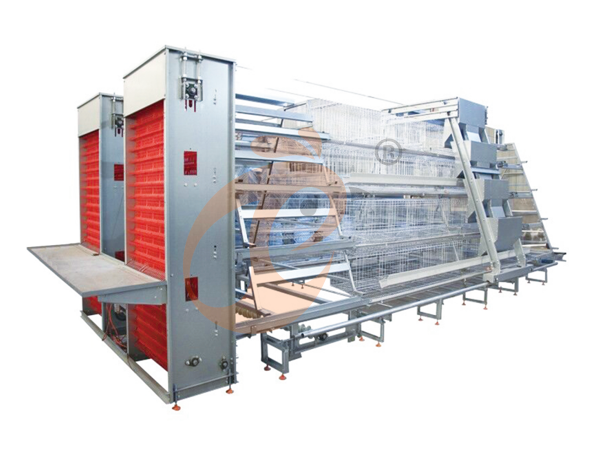
Battery cage for layers combines space efficiency, automation, and organized flock management for commercial expansion, with 3–8 cage tiers and integrated production workflows.
Modern layer poultry cage systems connect feeding, drinking, egg collection, manure removal, ventilation, and environmental control into coordinated farm infrastructure.
Traditional floor housing remains flexible for smaller projects, while automated cage equipment supports larger flock targets with structured material flow and controlled daily operations.
Investment decisions depend on building dimensions, labor requirements, equipment integration, climate conditions, and future expansion capacity rather than initial equipment price alone.
A professionally engineered automatic layer cage system creates a scalable production platform where equipment capacity, house design, and phased expansion remain technically coordinated from project start.
Get professional poultry farm construction guidance, equipment selection solutions, and the latest price lists, whatsApp to +8618830120193, click to learn more:
The Scaling Question: Start With The End In Mind
A poultry farm can grow by adding buildings or by increasing the productive capacity of each house.
For commercial layer producers, equipment selection determines how efficiently growth can happen with a battery cage system and layer poultry cages.
A properly configured system can accommodate 3–8 cage tiers and support continuous flock management throughout the production cycle.
Traditional floor housing uses open-floor space and separate equipment.
The critical question is which system converts construction, labor, and equipment investment into additional egg production more efficiently.
Capacity At A Glance
Data is for reference only.Swipe horizontally to view full table.
These specifications show why equipment engineering becomes increasingly important as flock size rises.
Multi-tier battery layer cages use vertical house volume, while integrated layer cage equipment connects daily operations into one production workflow.
The Economics Behind Faster Expansion
Think of expansion as a three-part equation
More usable production space + mechanized daily operations + standardized flock management = scalable output.
Automatic feeding can distribute feed according to programmed schedules, while nipple drinking systems deliver water directly at cage level.
Modern environmental controllers can coordinate ventilation and cooling equipment according to sensor readings.
For example, a commercial feeding line can operate at approximately 36–72 m/min, depending on drive configuration and house design.
A centralized control cabinet can connect multiple equipment groups through programmable operating cycles.
The result is a production system designed around repeatability rather than individual manual tasks.
Equipment Comparison For Commercial Farms
Data is for reference only.Swipe horizontally to view full table.
The equipment package matters as much as the cage itself.
A professional automatic layer cage system supplier should provide coordinated poultry equipment rather than separate machines with incompatible capacities.
Our poultry house equipment solutions can combine layer cages, automatic feeding, nipple drinking, egg collection, manure removal, ventilation, cooling, and
environmental controls according to building dimensions and flock targets.
A Simple Farm-Expansion Scenario
Imagine two farms beginning with similar layer populations.
Farm A uses traditional floor housing.
Feed, water, egg collection, and manure management depend heavily on workers moving through the house.
As the flock expands, additional floor area and equipment stations are required for layer poultry cage alternatives to remain commercially comparable.
Farm B installs a multi-tier cage system.
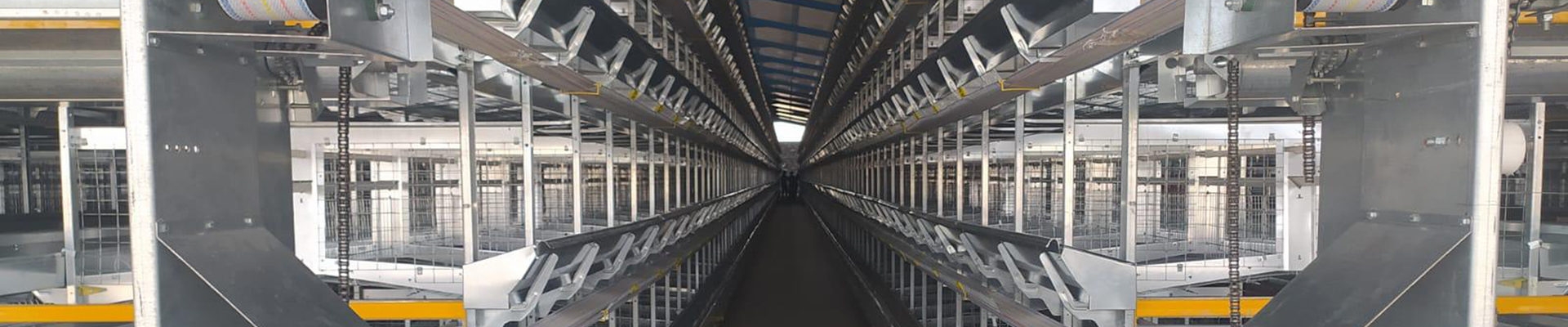
The building is designed around cage rows, service corridors, conveyors, and ventilation positions from the beginning.
The operational difference becomes increasingly important at commercial scale.
If one worker needs to walk 1.5 km during routine collection and inspection activities, repeated manual movement can become a significant management burden.
With centralized battery cage equipment, workers can instead concentrate on flock inspection, maintenance, sanitation, and production control.
Space Efficiency: Where Cages Create A Structural Advantage
Data is for reference only.Swipe horizontally to view full table.
For investors, building utilization is a capital-planning issue.
A layer poultry cage system should be engineered around structural loading, ventilation volume, equipment access, electrical distribution, and future expansion.
The objective is not simply to place more birds inside a building.
The objective is to create an organized production environment where feed, water, eggs, manure, air, and personnel move through defined routes.
Labor: The Hidden Scaling Cost
Labor requirements become more complex as flock size increases.
Traditional systems can require workers to perform feeding, egg collection, litter management, manure handling, and inspection across the entire floor area.
Cage equipment changes the workflow by moving feed, eggs, and manure mechanically through an integrated automatic layer cage system.
A typical automated egg collection system can transfer eggs continuously from individual cage rows toward a central collection point.
Manure belts can also be scheduled according to the farm's cleaning program.
For example, a manure belt motor may operate at 0.75–1.5 kW, while individual drive selections can be matched to conveyor length and loading conditions.
The financial value comes from reducing repetitive movement and allowing labor to focus on activities that directly protect flock performance.
Why Automation Changes The Growth Curve
Data is for reference only.Swipe horizontally to view full table.
Automation is not simply about replacing workers.
It creates a repeatable production sequence.
Feed delivery can follow programmed schedules, water systems can maintain controlled pressure, and ventilation equipment can respond to temperature and
humidity measurements.
When layer cage equipment and poultry house ventilation are engineered together, farm managers gain a more predictable operating environment and a clearer
path toward additional houses.
Which System Fits Different Growth Strategies?
Use this decision path
If the target is a compact commercial project → evaluate multi-tier layer cages.
If the building has restricted usable area → calculate vertical cage capacity before adding another house.
If labor availability is limited → prioritize automatic feeding, egg collection, and manure removal.
If climate control is critical → integrate ventilation and cooling with environmental controllers.
If expansion is planned in phases → select equipment with compatible electrical, conveyor, and control interfaces.
A modern battery cage for layers project can also be configured around different building lengths.
For example, equipment layouts may be engineered for 72 m, 96 m, or 120 m houses, depending on required flock capacity and site conditions.
Investment Should Be Evaluated As A Complete System
Data is for reference only.Swipe horizontally to view full table.
The lowest initial quotation does not necessarily represent the lowest production cost.
A complete project calculation should include cage configuration, building layout, feeding capacity, drinking lines, egg conveyors, manure equipment, ventilation,
cooling, electrical requirements, installation, and future expansion.
This is where an experienced layer cage manufacturer creates additional value by designing individual components to operate as one system.
Build For Today, Prepare For Tomorrow
Think of a poultry house as an expandable production platform.
A scalable design should answer five questions
How many birds will the first phase accommodate?
- Which equipment will become the next production bottleneck?
- Can additional cage rows be integrated without rebuilding the house?
- Can ventilation capacity be expanded with the flock?
- Can control systems manage additional equipment zones?
A professional poultry equipment supplier can develop customized layouts according to flock size, building dimensions, climate, and investment schedule.
For example, electrical control architecture can be divided into 4–12 independent equipment zones, allowing future houses or production sections to be managed
without redesigning the entire control strategy.
Final Verdict: Which System Scales Faster?
Data is for reference only.Swipe horizontally to view full table.
So, which system scales faster?
For commercial layer operations, a properly engineered battery cage for layers provides a stronger platform for systematic expansion.
Its advantage comes from combining organized housing with mechanized feeding, drinking, egg collection, manure removal, and environmental management.
The key is not to purchase cages in isolation.
Select a complete layer poultry cage system engineered around the building, flock target, climate, and expansion plan.
From layer cages and automatic feeding systems to egg collection, manure removal, ventilation, cooling, and environmental controls, an integrated equipment package can transform the poultry house into a coordinated production system.
Choose the right equipment architecture at the beginning, and every future expansion becomes easier to engineer, install, and operate.
Frequently Asked Questions
Q1: Can battery cage systems support large commercial layer farms?
Yes.
Multi-tier configurations can be engineered around long houses, automated conveyors, centralized controls, and phased expansion requirements.
Q2: What equipment should be integrated with layer cages?
Automatic feeding, nipple drinking, egg collection, manure removal, ventilation, cooling, and environmental controls should be coordinated according to the house
design.
Q3: Why does equipment integration matter for expansion?
Integrated equipment prevents individual systems from becoming production bottlenecks and allows future capacity planning around electrical, mechanical,
ventilation, and control requirements.
Taiyu (HK) Group - One Of China Toppest Battery Cage For Layers System Manufacturer
Battery cage for layers systems integrate multi-tier housing, feeding, drinking, egg collection, manure handling, and environmental control into engineered commercial production lines.
Global factory-direct supply covers complete poultry equipment packages, with configurable cage layouts, automation levels, ventilation systems, and electrical control architecture.
Turn-key engineering coordinates project design, equipment manufacturing, installation planning, commissioning, and production-line integration according to site specifications.
International projects can be configured for phased expansion, combining standardized components with customized house dimensions, flock targets, climate requirements, and operational workflows.
Technical support follows project parameters from equipment selection through installation, commissioning, operator training, and production-system optimization, with export-oriented manufacturing control.
Contact Us To Received Your Customized Poultry Farm Plan
Headquarters And Branchs
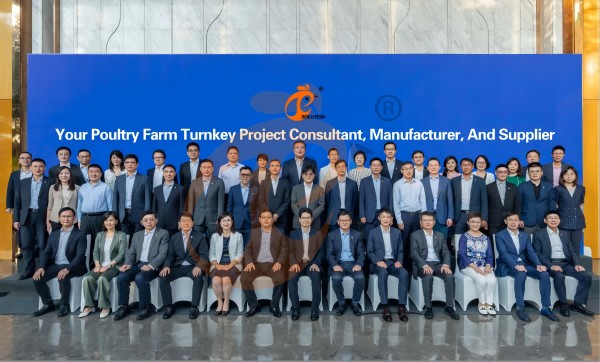
Hong Kong Headquarter Management Team
Hong Kong Headquarter Taiyu Industrial Group CO., LTD
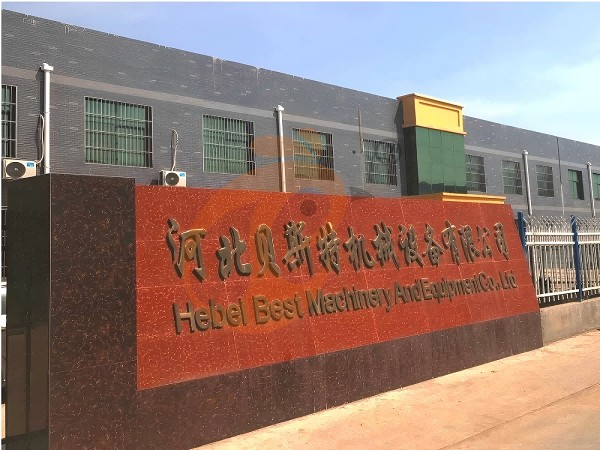
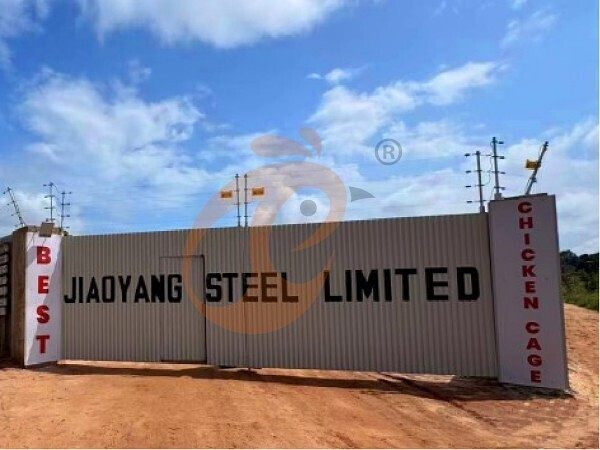
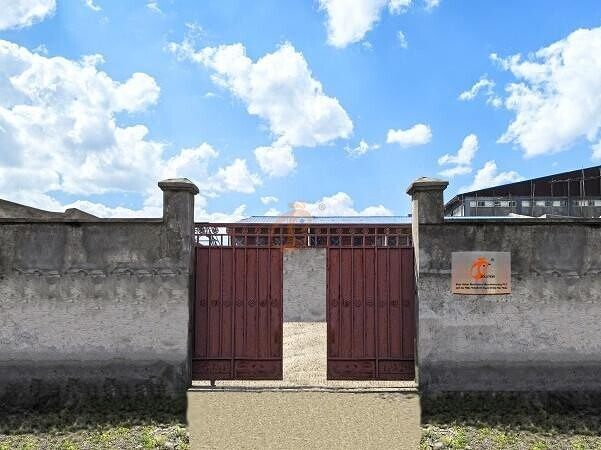
China Hebei Best Machinery And Equipment CO., LTD
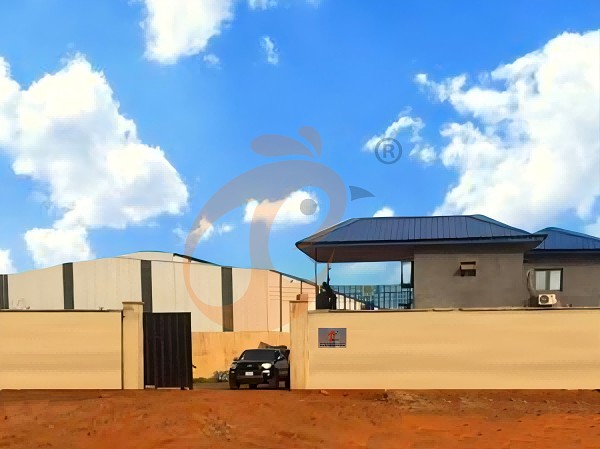
Nigeria Vanke Machinery And Equipment CO., LTD
Tanzania Best Machinery And Equipment CO., LTD
Ethiopia Best Hebei Machinery Manufacturing PLC
Reception /24 WhatsApp NO. : +8618830120193
PRODUCTS RECOMMENDED
 China Branch Manufacture Poultry Farm EquipmentRead More
 Ethiopia Branch Manufacture Poultry Farm EquipmentRead More
 Nigeria Branch Manufacture Poultry Farm EquipmentRead More
 Tanzania Branch Manufacture Poultry Farm EquipmentRead More
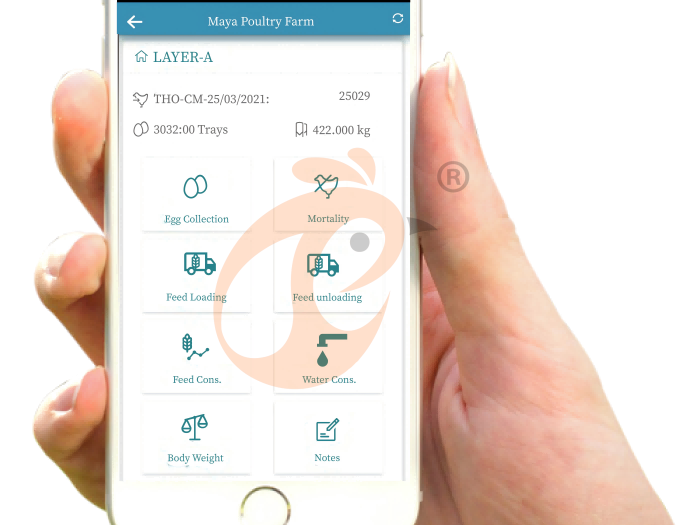
 IoT Smart Poultry FarmRead More
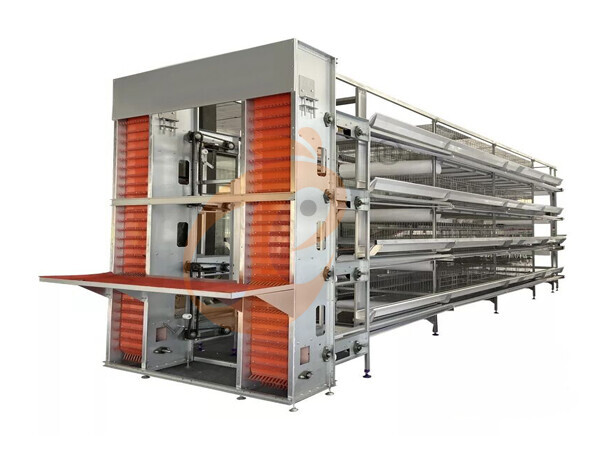
 >30,000 Layers Automatic H Type Battery CageRead More
 10,000 - 30,000 Layers Automatic A Type Battery CageRead More
MESSAGE
NEWS
 50,000 - 100,000 chickens/house: poultry farm solution, chicken cage, poultry farm equipment, AI smart managementRead More
 30,000 - 50,000 chickens/house: poultry farm solution, chicken cage, poultry farm equipment, AI smart managementRead More
 10,000 - 30,000 chickens/house: poultry farm solution, chicken cage, poultry farm equipment, AI smart managementRead More
 100 - 10,000 chickens/house: poultry farm solution, chicken cage, poultry farm equipment, AI smart managementRead More