

NEWS
Automatic feed mixer technology combines precise dosing, controlled blending, and organized discharge for modern poultry production.
Poultry feed mixer systems support consistent nutrition while reducing repetitive handling across commercial chicken operations.
Chicken feed mixer selection affects labor allocation, feed preparation accuracy, maintenance planning, and expansion readiness.
Manual equipment suits compact operations, while automated configurations support larger batch requirements and integrated feeding systems.
- Proper equipment selection connects mixing performance with practical farm economics, production continuity, and scalable poultry equipment investment.
Get professional poultry farm construction guidance, equipment selection solutions, and the latest price lists, whatsApp to +8618830120193, click to learn more:
Feed Mixer Selection Shapes Poultry Farm Productivity
Feed preparation is a critical process in chicken farming because nutrition consistency influences flock performance, operating costs, and production planning.
Modern poultry equipment suppliers provide both manual mixers and automatic feed mixer systems to meet different farm structures.
A suitable mixer solution helps farms achieve stable ingredient blending, reduce management pressure, and create a more efficient feeding workflow.
For small poultry houses, manual mixers can support basic feed preparation with simple operation.
However, commercial chicken farms require equipment capable of handling continuous production demands.
A compact mixer design with a footprint of 1.8 m² and a hopper opening diameter of 620 mm can fit smaller poultry buildings.
Manual Feed Mixer Operating Structure
Manual feed mixers depend on workers to complete ingredient weighing, loading, mixing control, and discharge operations.
This structure provides flexible management for farms with limited production requirements and simple feed formulas.
The main advantage of manual equipment is operational simplicity.
Farmers can start production without complex installation procedures, while maintenance tasks remain accessible.
A compact poultry feed mixer with a manual loading sequence can support decentralized feed preparation.
Human involvement increases as flock numbers expand.
Human operation creates differences between batches because mixing duration, ingredient sequence, and loading methods may change during daily work.
Manual Feed Mixer Technical Parameters
Data is for reference only.Swipe horizontally to view full table.
Manual feed mixers remain practical for independent poultry farms that require economical feed preparation equipment.
Their mechanical structure supports convenient operation, while replacement components are generally easy to source.
Automatic Feed Mixer Technology Advantage
Automatic feed mixers represent a different production philosophy.
Instead of depending on continuous human control, systems combine sensors, programmable controllers, weighing modules, and automated discharge mechanisms.
For chicken farm equipment projects, automation improves production organization by standardizing every mixing cycle.
A PLC-controlled automatic feed mixer with a 15-second weighing response and 24-hour operation scheduling capability allows farm managers to maintain consistent feed preparation.
Automatic mixers are especially valuable for broiler and layer farms where feed demand changes according to growth stages.
Equipment supports expansion plans by connecting with storage silos, conveyors, and feeding lines.
Automatic Feed Mixer Performance Data
Data is for reference only.Swipe horizontally to view full table.
Technical features make automatic feed mixer equipment suitable for professional poultry equipment systems.
Stable operation helps farms reduce feed variation and maintain production consistency.
Efficiency Comparison In Daily Chicken Farm Operations
Efficiency is not only measured by machine speed.
A complete evaluation should include labor structure, feed quality stability, and production continuity.
Manual systems provide reasonable performance when daily feed requirements remain limited.
Automatic systems become more effective when farms need repeated production cycles and standardized results.
For commercial chicken houses, automatic equipment reduces repetitive work and improves resource allocation.
The investment creates value through operational stability rather than only machine output.
Labor Requirement Analysis For Poultry Equipment Investment
Labor management has become an important factor in modern poultry production.
Feed mixing requires repeated measurement and handling activities, which can increase workforce pressure when farms expand.
Automatic feed mixer systems allow employees to focus on flock monitoring, equipment inspection, and production management.
A centralized control cabinet with a 7-inch touch interface simplifies daily operation.
Reducing labor dependence helps poultry enterprises improve long-term operational planning.
Professional poultry equipment suppliers can design systems according to farm size and future expansion goals.
Feed Quality Consistency Determines Flock Results
Feed uniformity directly affects nutrient distribution among chickens.
When every bird receives balanced feed, farms can achieve more stable growth patterns and production performance.
Automatic feed mixer equipment provides controlled ingredient integration through programmed sequences.
Manual systems can still perform effectively, but results depend more heavily on operator experience and working discipline.
For poultry farm owners, selecting advanced mixing equipment means improving feed management from preparation stage to final flock performance.
Energy Consumption And Maintenance Evaluation
Energy planning is essential when choosing poultry machinery.
Manual mixers usually require less electrical infrastructure, while automatic systems provide greater production capability through integrated technology.
Maintenance requirements also differ.
Automatic equipment requires professional inspection, but structured design supports predictable service schedules.
A complete poultry equipment solution should consider energy, maintenance, and production targets together.
Investment Return Perspective For Chicken Farms
Equipment selection should match business development goals.
Manual mixers provide accessible entry-level solutions, while automatic feed mixer systems support larger agricultural operations seeking stable expansion.
Automatic systems require greater initial investment but create advantages through reduced labor demand, improved accuracy, and stronger production management.
Professional poultry equipment manufacturers can provide customized configurations based on farm layout, bird quantity, and production targets.
Choosing The Right Mixer For Different Poultry Farms
The correct feed mixer depends on farm scale, production frequency, and management strategy.
Small farms may prefer manual equipment because equipment matches their current operation model.
Large chicken farms usually require automatic feed mixer systems because feed preparation becomes a continuous production activity.
Automation supports future development by connecting multiple poultry house facilities into one management network.
A reliable supplier should provide equipment consultation, installation guidance, and after-sales service.
Support ensures the mixer continues delivering stable performance throughout its working life.
Final Decision: Automatic Feed Mixer Provides Greater Efficiency
When comparing automatic and manual feed mixers, efficiency depends on production scale and management requirements.
Manual mixers remain suitable for small operations requiring simple feed preparation.
For commercial poultry farms, automatic feed mixer equipment provides stronger advantages through precision control, reduced labor requirements, and stable output performance.
Advanced chicken farm equipment helps producers build efficient feeding systems and improve long-term profitability.
Choosing a professional automatic feed mixer is not only an equipment purchase; it is an investment in modern poultry production capability.
Frequently Asked Questions
Q1: What makes an automatic feed mixer more efficient for commercial farms?
Automation reduces repetitive operator involvement and standardizes mixing procedures.
A programmed cycle can coordinate weighing, blending, and discharge while supporting multiple daily production batches.
Q2: Can manual feed mixers work for small chicken farms?
Yes.
Manual systems remain practical where feed demand is limited and operators can control ingredient preparation directly.
A compact operation processing approximately 3 tons daily may not require a fully automated line.
Q3: How should a farm choose between manual and automatic equipment?
Evaluate flock scale, daily feed demand, labor availability, expansion plans, and integration requirements.
Commercial projects should consider whether the mixer can connect with storage, conveying, and feeding equipment.
Taiyu (HK) Group - One Of China Toppest Automatic Feed Mixer Manufacturer
Automatic feed mixer systems provide controlled ingredient handling, programmable production sequences, and coordinated discharge for commercial poultry feeding operations.
Global factory-direct production integrates mixer manufacturing, control cabinets, conveying equipment, silos, and poultry equipment into coordinated project packages.
Turn-key engineering covers equipment configuration, workshop planning, installation guidance, commissioning procedures, and production-line integration for complete farm projects.
Poultry equipment solutions can be engineered for broiler, layer, and breeder facilities according to capacity requirements, building dimensions, and expansion schedules.
Export-oriented project support combines technical documentation, component coordination, quality inspection, and after-sales assistance for international poultry production installations.
Contact Us To Received Your Customized Poultry Farm Plan
Headquarters And Branchs
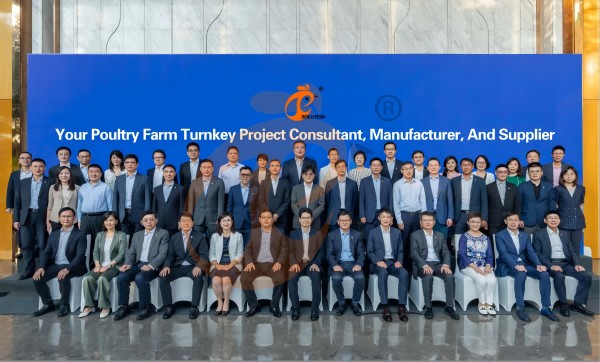
Hong Kong Headquarter Management Team
Hong Kong Headquarter Taiyu Industrial Group CO., LTD
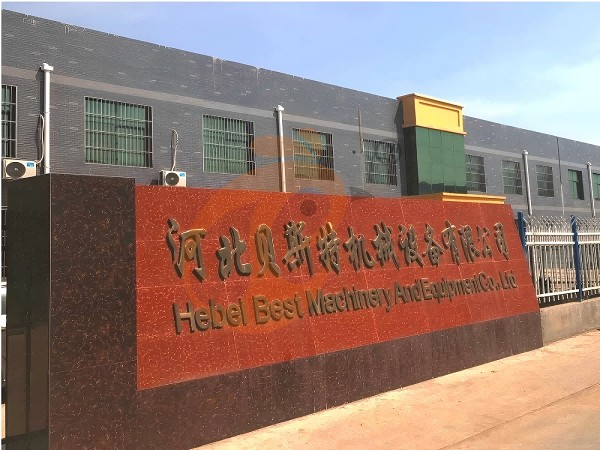
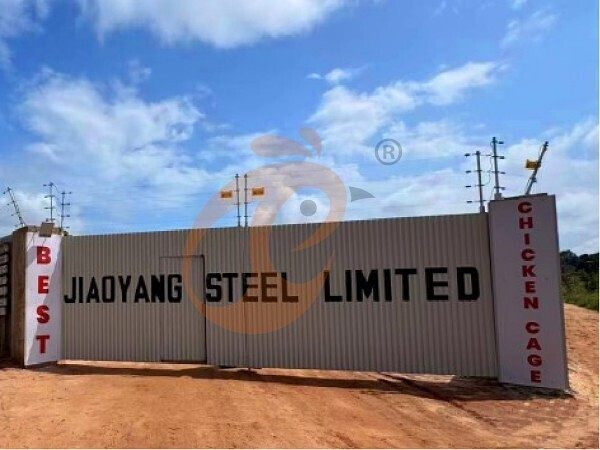
China Hebei Best Machinery And Equipment CO., LTD
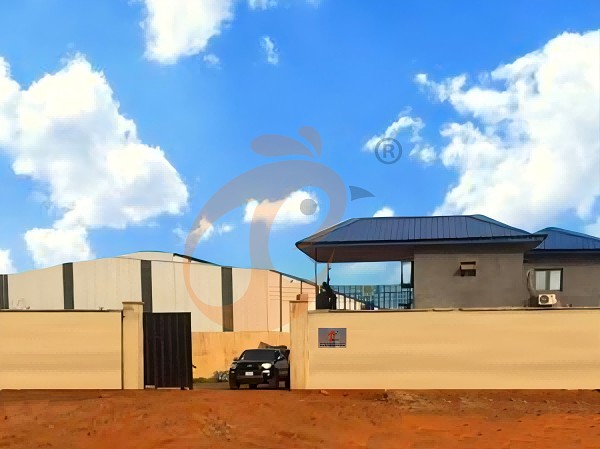
Nigeria Vanke Machinery And Equipment CO., LTD
Tanzania Best Machinery And Equipment CO., LTD
Ethiopia Best Hebei Machinery Manufacturing PLC

Reception /24 WhatsApp NO. : +8618830120193
PRODUCTS RECOMMENDED
 China Branch Manufacture Poultry Farm EquipmentRead More
 Ethiopia Branch Manufacture Poultry Farm EquipmentRead More
 Nigeria Branch Manufacture Poultry Farm EquipmentRead More
 Tanzania Branch Manufacture Poultry Farm EquipmentRead More
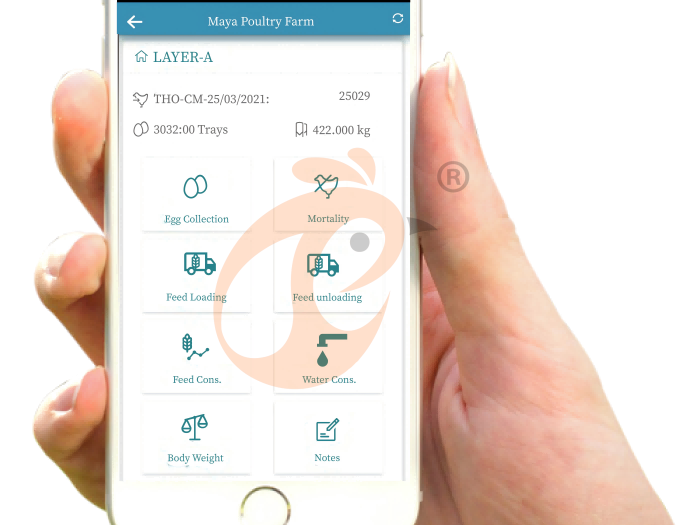
 IoT Smart Poultry FarmRead More
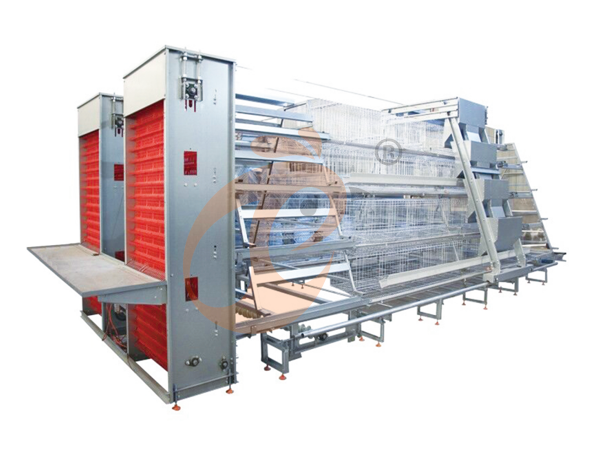
 >30,000 Layers Automatic H Type Battery CageRead More
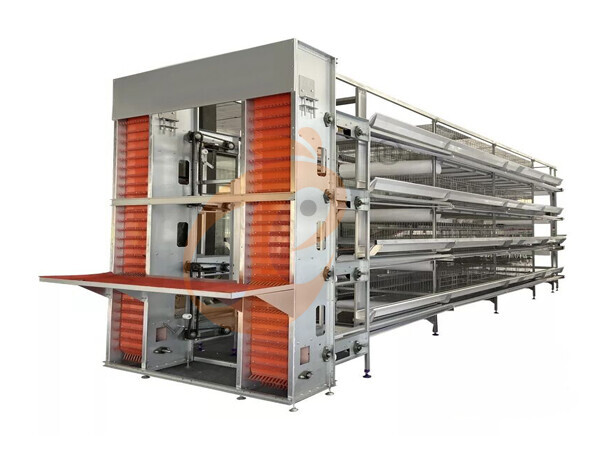
 10,000 - 30,000 Layers Automatic A Type Battery CageRead More
MESSAGE
NEWS
 50,000 - 100,000 chickens/house: poultry farm solution, chicken cage, poultry farm equipment, AI smart managementRead More
 30,000 - 50,000 chickens/house: poultry farm solution, chicken cage, poultry farm equipment, AI smart managementRead More
 10,000 - 30,000 chickens/house: poultry farm solution, chicken cage, poultry farm equipment, AI smart managementRead More
 100 - 10,000 chickens/house: poultry farm solution, chicken cage, poultry farm equipment, AI smart managementRead More