

NEWS
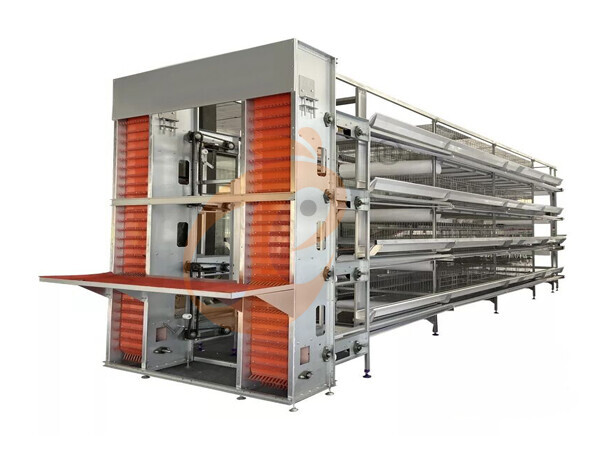
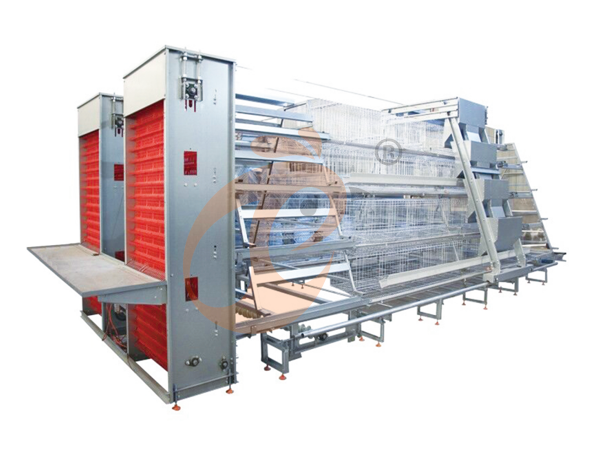
Automatic battery cage for layers can transform repetitive farm work, combining mechanized feeding, egg transfer, and manure handling within one coordinated production structure.
Automatic layer cage system design reduces walking, lifting, carrying, and repeated collection, allowing labor resources to shift toward flock inspection and equipment supervision.
Layer poultry equipment also supports scalable house planning, with integrated modules helping commercial farms organize production around capacity, workflow, and maintenance requirements.
Proper automation connects cage structures with conveyors, motors, control cabinets, and drinking lines, creating measurable operational efficiency across daily layer-house routines.
For commercial producers, equipment integration turns labor savings into long-term operating value while creating a more organized, expandable, and technically controlled egg-production environment.
Get professional poultry farm construction guidance, equipment selection solutions, and the latest price lists, whatsApp to +8618830120193, click to learn more:
The Labor Question Behind Layer Farm Investment
For commercial egg producers, cage selection is not simply a housing decision.
Automatic battery cage for layers determines how many worker-hours are spent feeding birds, collecting eggs, clearing manure, inspecting equipment, and moving materials.
An automatic layer cage system integrates feeding, watering, egg collection, and manure removal into one workflow.
Manual systems leave several repetitive operations to farm workers, while layer poultry equipment transfers repetitive movement to mechanical components.
Our poultry equipment solutions are designed around this difference, using coordinated equipment to reduce unnecessary labor movement and support commercial production.
Daily Workload Comparison
Data is for reference only.Swipe horizontally to view full table.
What Automation Actually Removes
The biggest labor saving does not come from eliminating people.
Automatic battery cage for layers removes unnecessary walking, lifting, pushing, and repeated collection from daily routines.
A manual house can require workers to travel repeatedly between cage rows and collection points, sometimes covering several kilometers during a production day.
An automatic layer cage system replaces many transport movements with motors, belts, chains, and conveyors.
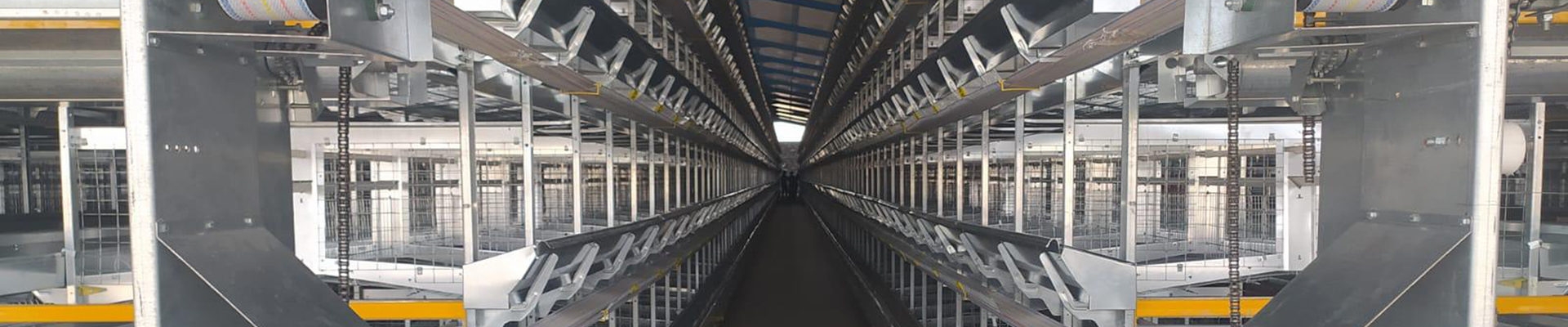
A feed conveyor distributes feed along cage rows while an egg conveyor moves production toward one collection area.
Automatic manure belts similarly transfer waste outside the building, with motorized operation commonly controlled through timed cycles.
Modern layer poultry equipment can combine these modules with environmental-control equipment for a more complete commercial layer-house solution.
Technical Configuration: Manual Vs Automatic
Data is for reference only.Swipe horizontally to view full table.
Why Egg Collection Is A Key Labor Bottleneck
Eggs are produced throughout the day, but commercial value depends heavily on timely handling.
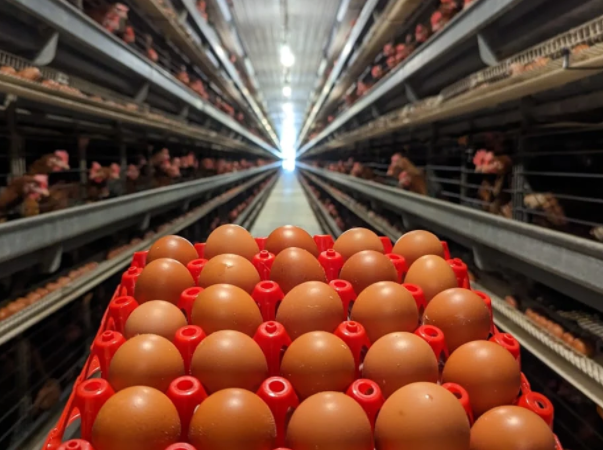
Automatic battery cage for layers guides eggs from cage floors toward collection belts, reducing repeated hand contact during internal transport.
Manual collection requires workers to visit cage rows, pick up eggs, carry trays, sort production, and transport materials to packing areas.
An automatic layer cage system changes the workflow by concentrating egg movement into a controlled conveyor route.
Sloped cage floors guide eggs onto belts, while centralized conveyors move production toward designated collection points.
Commercial layer poultry equipment can use soft-contact belts and controlled transfer movement to support organized egg handling.
Egg Collection Parameters
Data is for reference only.Swipe horizontally to view full table.
Manure Removal: The Hidden Labor Cost
Manure management represents another source of repetitive physical work.
Automatic battery cage for layers places manure-transfer equipment directly beneath cage tiers, creating a shorter material-handling route.
Manual systems require scraping, gathering, loading, and external removal, while automated arrangements mechanize much of the transport process.
A manure belt carries accumulated waste toward the discharge end, where equipment can transfer material outside the house.
An automatic layer cage system can therefore connect cage structure and manure handling within one engineered layout.
For poultry equipment projects, integrated manure removal is especially valuable when house length exceeds 80 meters and manual transport becomes
increasingly inefficient.
Manure System Engineering Data
Data is for reference only.Swipe horizontally to view full table.
The Labor Economics Of Scale
Manual equipment can appear attractive when evaluating purchase price alone.
Automatic battery cage for layers converts part of recurring labor expenditure into equipment investment, particularly where daily production involves thousands of repetitive movements.
An automatic layer cage system becomes increasingly relevant as flock size expands because additional birds do not necessarily require proportional increases in manual transport work.
Commercial farms should calculate labor requirements across the production cycle instead of comparing cage purchase prices alone.
Important inputs include local wages, working hours, maintenance planning, house dimensions, and future expansion requirements.
For projects exceeding 30,000 layers, equipment integration can become a strategic operating decision rather than simply a cage-selection preference.
Cage Capacity And Layout Data
Data is for reference only.Swipe horizontally to view full table.
Actual capacity should be calculated from the complete house drawing, aisle arrangement, ventilation plan, local regulations, and production targets.
Automatic layer cage system planning should also consider building width, service access, lighting arrangement, and equipment-maintenance routes.
Layer poultry equipment layouts can therefore be customized around building geometry instead of forcing every farm into one standardized configuration.
Why Integrated Equipment Creates More Value
A cage system creates greater operational value when individual modules operate as one production line.
Automatic battery cage for layers can combine feeding, drinking, egg collection, manure removal, ventilation, and control equipment around one house-level workflow.
Our engineering approach coordinates cage dimensions, feeding lines, nipple systems, egg conveyors, manure equipment, and control cabinets according to project requirements.
Hot-dip galvanized structures, automated drives, centralized collection, and environmental-control options provide a scalable equipment platform.
For turnkey projects, technical integration also simplifies installation planning, commissioning, operator training, and future maintenance.
Final Verdict: Automatic Wins On Labor
Data is for reference only.Swipe horizontally to view full table.
Automatic battery cage for layers provides the stronger labor-saving model when feeding, egg collection, and manure removal are mechanized together.
The initial equipment investment is higher, but an automatic layer cage system changes labor from continuous manual handling toward scheduled supervision and maintenance.
For farms planning expansion, the relevant calculation is not only cage cost but the labor requirement accumulated over years of production.
Layer poultry equipment should therefore be evaluated through total workflow efficiency, maintenance access, expansion potential, and house-level integration.
For commercial producers, professional equipment engineering can turn repetitive labor into controlled mechanical processes while supporting consistent daily
production.
Frequently Asked Questions
Q1: Can automatic battery cages reduce daily labor?
Yes, especially when feeding, egg collection, and manure removal are automated.
A properly planned system can reduce repeated transport work and shift workers toward inspection and maintenance.
Q2: Which automatic module usually creates the biggest workflow change?
Egg collection and manure removal often create substantial operational changes because both processes involve repeated physical movement.
A conveyor route of several dozen meters can replace repeated manual carrying between cage rows and collection areas.
Q3: Is automatic equipment suitable for expanding layer farms?
Yes, provided cage capacity, house dimensions, ventilation, power supply, and service access are planned together.
Modular equipment allows additional production capacity without making every labor task proportional to flock growth.
Taiyu (HK) Group - One Of China Toppest Automatic Battery Cage For Layers Manufacturer
Automatic battery cage for layers integrates cage housing with feeding, drinking, egg collection, and manure-management equipment for commercial layer production.
Global factory-direct poultry equipment supply covers cage systems, feeding lines, drinking systems, environmental controls, conveyors, and electrical control components.
Turn-key engineering coordinates house layout, equipment configuration, installation planning, commissioning, operator training, and production-line integration.
Project solutions support farms from equipment selection through technical drawings, manufacturing, shipment coordination, installation guidance, and after-sales engineering service.
Factory production enables customized specifications according to flock capacity, building dimensions, automation requirements, local standards, and project investment structure.
Contact Us To Received Your Customized Poultry Farm Plan
Headquarters And Branchs
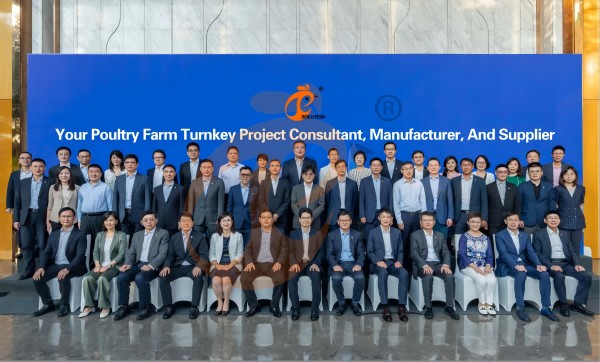
Hong Kong Headquarter Management Team
Hong Kong Headquarter Taiyu Industrial Group CO., LTD
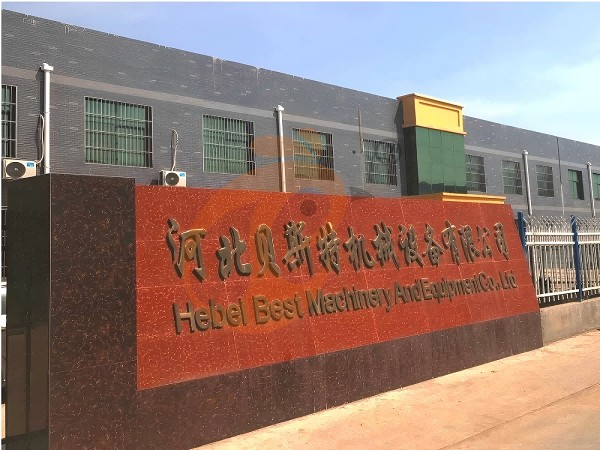
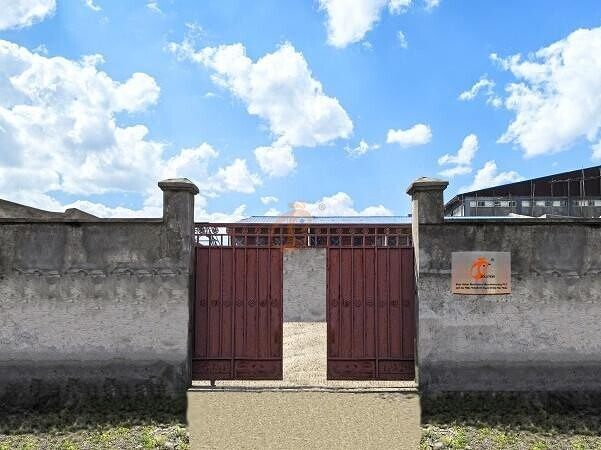
China Hebei Best Machinery And Equipment CO., LTD
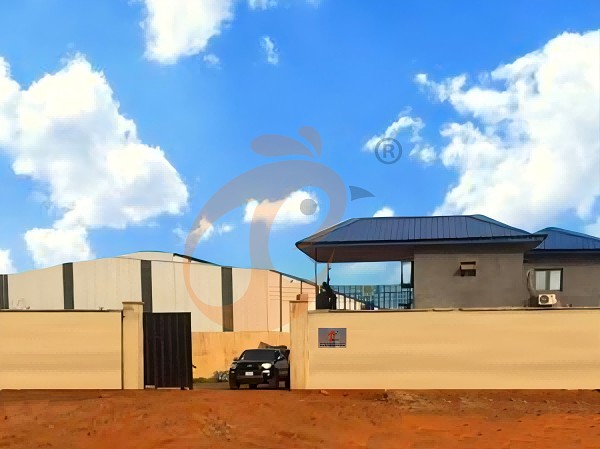
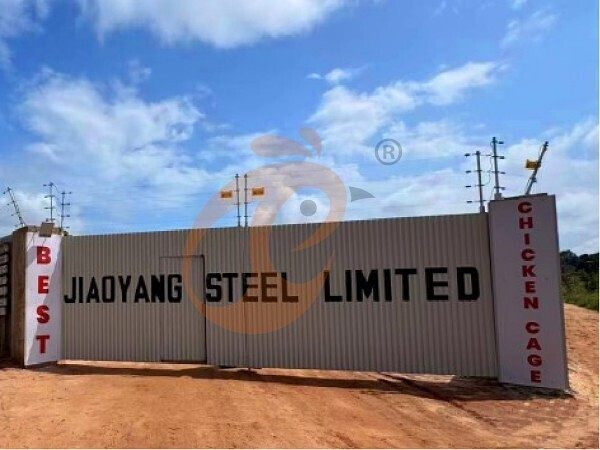
Nigeria Vanke Machinery And Equipment CO., LTD
Tanzania Best Machinery And Equipment CO., LTD
Ethiopia Best Hebei Machinery Manufacturing PLC
Reception /24 WhatsApp NO. : +8618830120193
PRODUCTS RECOMMENDED
 China Branch Manufacture Poultry Farm EquipmentRead More
 Ethiopia Branch Manufacture Poultry Farm EquipmentRead More
 Nigeria Branch Manufacture Poultry Farm EquipmentRead More
 Tanzania Branch Manufacture Poultry Farm EquipmentRead More
 IoT Smart Poultry FarmRead More
 >30,000 Layers Automatic H Type Battery CageRead More
 10,000 - 30,000 Layers Automatic A Type Battery CageRead More
MESSAGE
NEWS
 50,000 - 100,000 chickens/house: poultry farm solution, chicken cage, poultry farm equipment, AI smart managementRead More
 30,000 - 50,000 chickens/house: poultry farm solution, chicken cage, poultry farm equipment, AI smart managementRead More
 10,000 - 30,000 chickens/house: poultry farm solution, chicken cage, poultry farm equipment, AI smart managementRead More
 100 - 10,000 chickens/house: poultry farm solution, chicken cage, poultry farm equipment, AI smart managementRead More