

NEWS
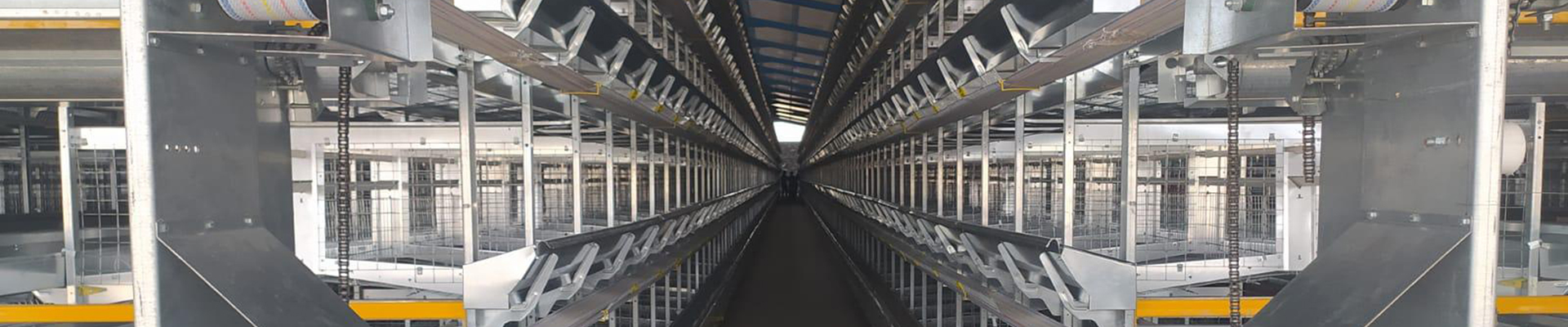
A type poultry cage system combines modular cage engineering, automatic production control, and calculated bird capacity planning for commercial layer farming projects.
Three-tier, four-tier, and five-tier configurations provide different installation solutions according to farm building dimensions and production targets.
Professional automatic layer cage system designs integrate feeding, drinking, egg collection, and manure removal functions into coordinated poultry farm equipment solutions.
Engineering evaluation focuses on structural safety, compartment design, automation compatibility, and long-term operational stability.
Technical specifications help investors select suitable cage modules with organized capacity management and efficient commercial farm planning.
Get professional poultry farm construction guidance, equipment selection solutions, and the latest price lists, whatsApp to +8618830120193, click to learn more:
Introduction To A Type Poultry Cage Safety Design
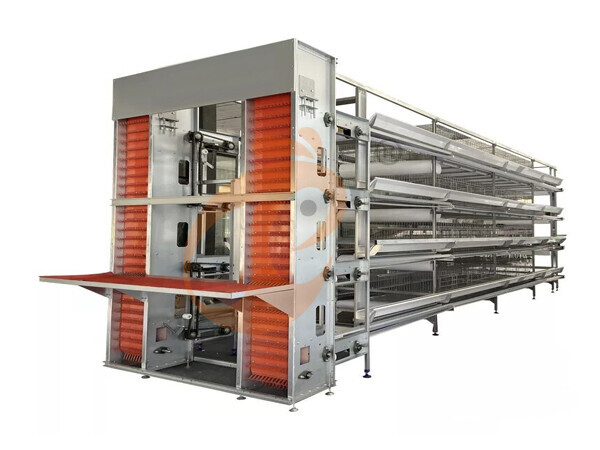
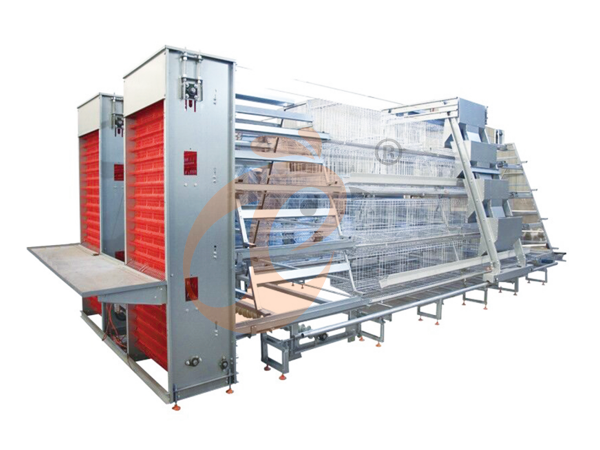
A type poultry cage system is designed around vertical cage arrangements that combine space utilization, bird management, and automated operation requirements.
Commercial cage structures are commonly available in multiple tier configurations, including three-tier, four-tier, and five-tier designs with different bird capacity arrangements.
A professional automatic layer cage system requires accurate calculation between cage dimensions, compartment quantity, and bird allocation.
For example, a modular unit with a floor footprint of 5.28 m² can be configured for different production densities depending on tier selection and internal compartment planning.
The safety evaluation process should include frame stability, cage wire processing, feeding reliability, water supply control, waste handling, and electrical protection.
Reliable poultry farm equipment should provide measurable engineering data instead of only general product descriptions.
Structural Stability Inspection Parameters
The frame structure is the foundation of a safe A type poultry cage system.
A properly designed cage frame distributes vertical loads through connected supports and tier structures.
Commercial models commonly use galvanized steel components and modular frames to support different farm capacities.
When evaluating cage safety, engineers should review overall dimensions, internal arrangement, and installation requirements together.
The relationship between cage height and tier number affects maintenance access, ventilation planning, and equipment integration.
For a commercial project, the cage configuration should match the poultry house layout before installation begins.
Data is for reference only.Swipe horizontally to view full table.
The calculated structure shows that increasing tier quantity changes vertical utilization while maintaining the same basic module footprint.
A three-tier system provides a balanced configuration for projects requiring easier maintenance access.
A five-tier structure increases housing capacity through additional cage levels and requires suitable building height planning.
Cage Wire Safety And Bird Protection
Cage wire quality directly affects bird contact safety and equipment durability.
Professional A type poultry cage system manufacturing requires controlled welding, smooth surfaces, and corrosion-resistant treatment.
The compartment structure should support bird movement while preventing unnecessary contact risks.
The standard compartment planning normally uses multiple birds within one cage section according to farm management requirements.
Engineering teams should verify wire processing quality before shipment and installation.
A suitable mesh structure improves daily operation efficiency and reduces maintenance requirements.
Cage Mesh Technical Data Verification
Data is for reference only.Swipe horizontally to view full table.
The cage mesh specification should correspond with bird size, production requirements, and operating conditions.
A carefully processed cage surface supports safer interaction between birds and equipment.
Feeding System Safety Features
Feeding performance is an important evaluation point for automatic layer cage system projects.
Modern poultry farm equipment normally integrates automatic feeding mechanisms to reduce manual operation and improve feed distribution accuracy.
The feeding line should maintain stable movement throughout cage rows.
Engineering inspection should focus on trough structure, drive operation, and connection stability.
A properly designed feeding system helps farms maintain organized production procedures.
Commercial installations should consider feeder layout together with cage capacity planning.
Feeding And Drinking System Safety Parameters
Data is for reference only.Swipe horizontally to view full table.
The feeding and drinking modules should operate together with cage capacity requirements.
A correctly configured system reduces unnecessary manual adjustment during daily farming operations.
Manure Removal Safety Design
Manure removal is a critical section of complete poultry farm equipment planning.
A professional system separates waste collection from daily bird management activities.
Automatic manure removal equipment can reduce labor requirements and support cleaner production environments.
The design should include stable belts, protected moving components, and accessible maintenance areas.
Safety inspection should verify operation cycles and mechanical connection conditions.
A reliable manure system supports long-term farm management efficiency.
Manure System Engineering Data
Data is for reference only.Swipe horizontally to view full table.
The manure system should be selected according to farm size and production requirements.
Correct engineering planning improves equipment reliability and reduces unexpected downtime.
Door And Human Operation Safety Data
Data is for reference only.Swipe horizontally to view full table.
Regular inspection prevents small mechanical problems from affecting complete production systems.
Maintenance planning should be included during the initial poultry equipment project design stage.
Automated Control And Emergency Protection
Automation has become a major feature of modern poultry farm equipment projects.
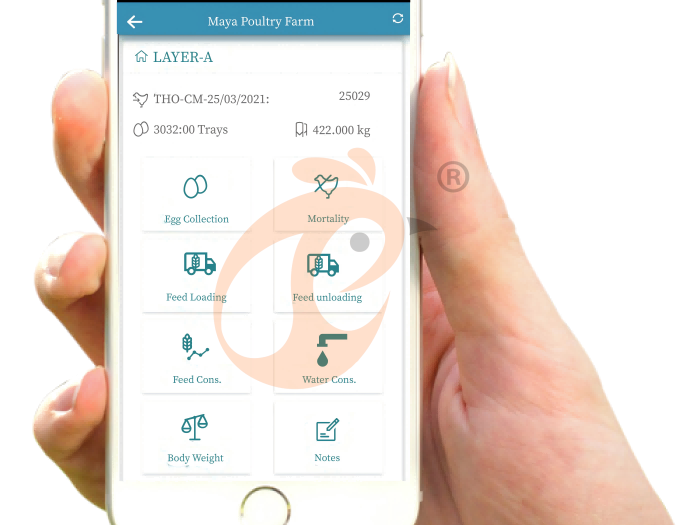
Integrated systems can manage feeding, drinking, egg collection, manure removal, and environmental monitoring processes through coordinated control modules.
Electrical safety requires protected cabinets, organized wiring, and emergency shutdown functions.
Farm owners should evaluate control reliability before installing large-scale equipment.
Turn-key engineering projects usually combine mechanical installation with electrical commissioning to ensure system coordination.
Technical documentation should include operation manuals and maintenance procedures.
Data is for reference only.Swipe horizontally to view full table.
Egg Collection Safety Mechanism
Egg collection performance directly influences product quality and farm efficiency.
A professional A type poultry cage system should include a stable egg rolling structure, smooth transfer pathway, and reliable collection equipment.
Automatic egg collection systems reduce manual handling and support organized production workflows.
The cage floor design should guide eggs carefully toward collection areas while reducing unnecessary impact during movement.
Engineering inspection should include conveyor alignment, transfer connection, and operational synchronization.
A suitable egg collection configuration improves daily management efficiency and supports commercial production targets.
Data is for reference only.Swipe horizontally to view full table.
Material Quality And Corrosion Prevention
Material selection determines the service reliability of commercial cage equipment.
A professional automatic layer cage system normally uses galvanized steel components for frame and mesh production.
Corrosion protection helps maintain structural performance under farm conditions involving humidity, dust, and organic materials.
Manufacturing inspection should include coating verification, welding quality, and component consistency.
For large poultry projects, material documentation supports equipment acceptance and long-term maintenance planning.
Data is for reference only.Swipe horizontally to view full table.European union standard reference only.
Ventilation Space And Environmental Safety
Environmental planning is an important part of complete poultry farm equipment installation.
The A type poultry cage system structure creates organized cage levels that require suitable airflow planning.
Ventilation arrangement should consider cage position, equipment layout, and worker access requirements.
Automatic environmental control systems can connect temperature monitoring, ventilation management, and production equipment operation.
Farm design should combine cage installation with building structure before equipment delivery.
Proper environmental planning supports stable operation and equipment protection.
Data is for reference only.Swipe horizontally to view full table.
Comprehensive Five-Point Safety Evaluation
Selecting an A type poultry cage system requires a complete engineering review.
Professional buyers should evaluate structural design, bird protection, feeding operation, waste management, and automation functions.
A complete poultry equipment supplier should provide technical drawings, installation support, and project communication services.
The selected system should match farm capacity requirements, building dimensions, and production planning goals.
Calculated cage arrangements allow investors to compare different configurations before project implementation.
Modern commercial farms increasingly use integrated solutions combining cage modules and automatic management equipment.
Data is for reference only.Swipe horizontally to view full table.
Final Safety Selection Checklist
A professional cage purchasing process should combine technical data evaluation and practical project requirements.
A type poultry cage system selection should consider installation space, management method, automation level, and future expansion plans.
Three-tier, four-tier, and five-tier structures provide different solutions according to farm capacity targets.
The calculated module design allows farms to organize production planning with clearer capacity expectations.
Reliable poultry farm equipment supports efficient operation through integrated feeding, drinking, egg collection, and manure management systems.
Technical specifications create the foundation for safe and sustainable commercial poultry development.
Data is for reference only.Swipe horizontally to view full table.
Frequently Asked Questions
Q1: What safety features should an A type poultry cage system include?
A complete system should include reinforced cage frames, processed wire mesh, automated feeding equipment, controlled drinking systems, manure removal units, and protected electrical components with scheduled inspection procedures.
Q2: How should farmers choose between different A type cage configurations?
Farmers should compare building dimensions, production requirements, and capacity planning because three-tier, four-tier, and five-tier structures provide different vertical arrangements and bird allocation solutions.
Q3:Why is automatic equipment important for commercial poultry farms?
Automatic systems connect feeding, drinking, egg collection, and manure management functions, helping farms reduce manual operation and improve production consistency through coordinated equipment control.
Taiyu (HK) Group - One Of China Largest A Type Poultry Cage Manufacturer
A type poultry cage system delivers integrated commercial layer farming equipment with engineered structures, automation compatibility, and scalable production solutions.
Global factory direct supply provides complete poultry equipment packages with manufacturing control, technical documents, and installation assistance.
Turn-key engineering projects include farm planning, equipment installation, commissioning support, and operational training services.
International poultry equipment cooperation covers customized solutions for different farm capacities, housing designs, and production requirements.
Professional export management supports worldwide agricultural projects with reliable equipment delivery and technical communication.
Contact Us To Received Your Customized Poultry Farm Plan
Headquarters And Branchs

Hong Kong Headquarter Management Team
Hong Kong Headquarter Taiyu Industrial Group CO., LTD
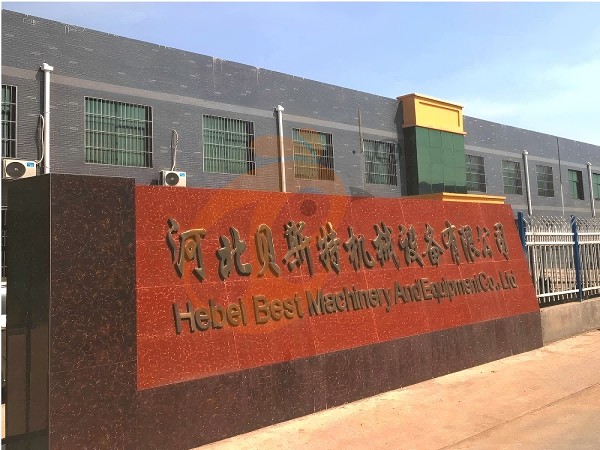
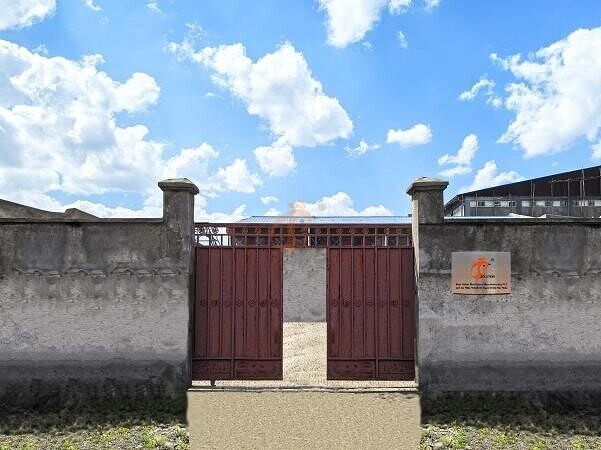
China Hebei Best Machinery And Equipment CO., LTD
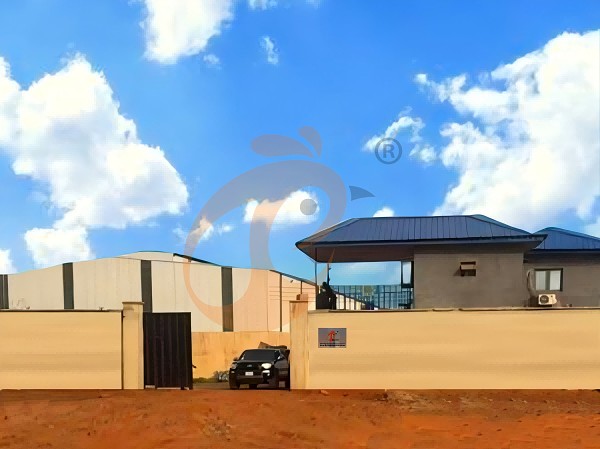
Nigeria Vanke Machinery And Equipment CO., LTD
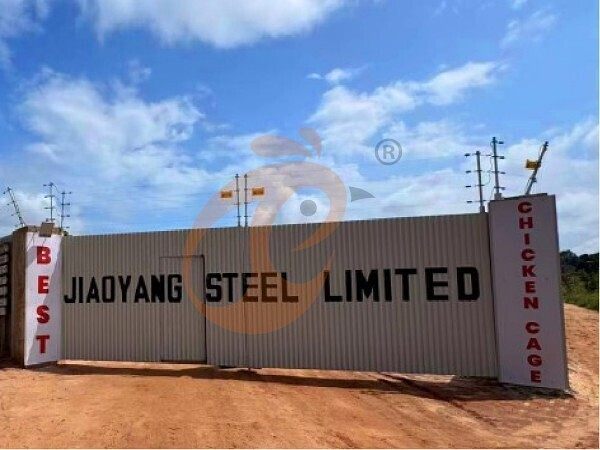
Tanzania Best Machinery And Equipment CO., LTD
Ethiopia Best Hebei Machinery Manufacturing PLC
Reception /24 WhatsApp NO. : +8618830120193
PRODUCTS RECOMMENDED
 China Branch Manufacture Poultry Farm EquipmentRead More
 Ethiopia Branch Manufacture Poultry Farm EquipmentRead More
 Nigeria Branch Manufacture Poultry Farm EquipmentRead More
 Tanzania Branch Manufacture Poultry Farm EquipmentRead More
 IoT Smart Poultry FarmRead More
 >30,000 Layers Automatic H Type Battery CageRead More
 10,000 - 30,000 Layers Automatic A Type Battery CageRead More
MESSAGE
NEWS
 50,000 - 100,000 chickens/house: poultry farm solution, chicken cage, poultry farm equipment, AI smart managementRead More
 30,000 - 50,000 chickens/house: poultry farm solution, chicken cage, poultry farm equipment, AI smart managementRead More
 10,000 - 30,000 chickens/house: poultry farm solution, chicken cage, poultry farm equipment, AI smart managementRead More
 100 - 10,000 chickens/house: poultry farm solution, chicken cage, poultry farm equipment, AI smart managementRead More