

NEWS
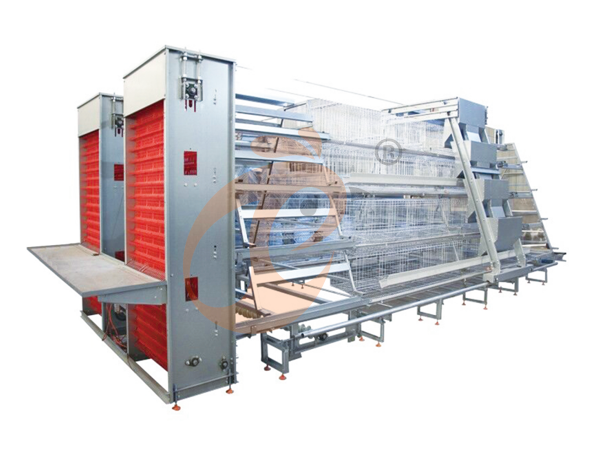
- A type layer cage projects depend on accurate water delivery, hygienic components, and coordinated installation for dependable commercial production.
Automatic poultry drinking system designs can combine filtration, regulation, dosing, and flushing into one engineered water-management route.
Nipple drinking system configurations provide controlled access while supporting cleaner cage-house operation and reduced unnecessary water discharge.
Four equipment options cover standard nipple lines, drip-cup arrangements, filtered systems, and dosing-integrated configurations for different project requirements.
- Proper engineering considers cage tiers, flock capacity, water quality, pipeline routing, maintenance access, and automation before equipment selection begins.
Get professional poultry farm construction guidance, equipment selection solutions, and the latest price lists, whatsApp to +8618830120193, click to learn more:
Why The Watering System Matters More Than It Looks
In an A type layer cage, the watering system is not simply an accessory attached to the cage.
It is one of the core systems determining bird comfort, hygiene, labor requirements, and long-term farm performance.
For modern layer farms, nipple drinking system equipment provides water directly through activated valves while limiting open-water exposure.
Commercial nipple specifications can reach 80–90 cm³/min, while LUBING lists 8–12 layers per nipple for one stainless-steel model.
For equipment manufacturers, therefore, the right question is not only ''Which drinker is cheapest?'' but ''Which complete solution fits the cage structure, flock size, climate, and management system?''
Four Reliable Options At A Glance
Data is for reference only.Swipe horizontally to view full table.
Commercial automatic poultry drinking system designs can integrate filtration, pressure regulation, dosing, metering, and flushing before water reaches individual cage rows.
Option 1: Standard Nipple Drinking System — The Practical Starting Point
Think of this option as the ''workhorse'' of A type cages.
A typical nipple drinking system consists of a main water supply, pressure regulator, drinking pipe, and nipple drinkers.
The nipple activates when the bird contacts the valve, supplying water through a closed pipeline.
For farms seeking an economical automatic poultry drinking system, this configuration offers straightforward installation, simple expansion, and compatibility with multiple A type cage arrangements.
A commercial drinking line can also use 360° valve activation, allowing birds to access the drinker from different contact directions.
Standard Nipple System: What Should Buyers Check?
Data is for reference only.Swipe horizontally to view full table.
A properly specified A type layer cage watering line should also allow drinking-line height adjustment during flock development.
Adjustable suspension systems can use winches, pulleys, steel wire, and clamps to reposition the line accurately.
Option 2: Nipple Drinkers With Drip Cups — When Dry Manure Is The Priority
Imagine two identical poultry houses.
In House A, water splashes onto the manure belt or floor every day.
In House B, the drinking line captures most excess droplets immediately below the nipple.
The difference can become significant over months of operation.
Drip cups in an automatic poultry drinking system collect residual droplets around the drinking point and can help limit unnecessary wetness.
Commercial layer-cage systems specifically provide splash-water collection components and drip-cup configurations.
For customers prioritizing cleaner cage-house operation, nipple drinking system configurations with collection cups provide an equipment route worth evaluating.
Nipple + Drip Cup Vs. Standard Nipple
Data is for reference only.Swipe horizontally to view full table.
LUBING publishes separate nipple models with 40–50 cm³/min and 140–180 cm³/min flow ranges, demonstrating why drinker selection should follow the required bird application rather than relying on one universal specification.
Option 3: Filter + Pressure Regulator + Automatic Flushing
This is where a basic watering line becomes a professional automatic poultry drinking system.
Water quality and pressure directly influence nipple performance.
A commercial system can place filtration and pressure control before drinking lines, while flushing components help remove accumulated impurities.
LUBING's Optima E-Flush regulator provides stepless water-column adjustment and an integrated flushing function.
For our customers, we can engineer the complete water route from the farm water source to the final cage tier rather than supplying isolated drinker components.
A professional A type layer cage project can therefore coordinate filtration, pressure control, line routing, suspension, and cage geometry within one equipment drawing.
What A Professional Automatic Watering Package Can Include
Data is for reference only.Swipe horizontally to view full table.
Integrated nipple drinking system packages commonly combine tanks, filters, pressure regulators, dosing pumps, meters, and drinking lines as one water-
management architecture.
Option 4: Dosing System — For Large Commercial Farms
If your farm is moving toward higher automation, this is the option worth evaluating.
A dosing system can be integrated into an automatic poultry drinking system so approved water treatments can enter the supply route according to a controlled program.
Commercial water-control stations can incorporate filtration, softening, pressure regulation, water measurement, dosing, and pressure indication before distribution.
For large projects, this configuration offers another important advantage: scalability.
When we design a poultry equipment project, we consider cage rows, house dimensions, water-source conditions, flock capacity, and automation requirements together.
An A type layer cage system can therefore receive a coordinated waterline design instead of a collection of independently selected components.
Which Option Fits Your Farm?
Data is for reference only.Swipe horizontally to view full table.
A commercial A type layer cage project should calculate waterline quantity from actual tier arrangement, cage dimensions, bird allocation, and equipment
drawings rather than applying one universal layout.
The Installation Details That Separate Good Systems From Great Ones
Do not choose the nipple first and design everything else afterward.
A reliable nipple drinking system project should answer five questions:
- Where is the main water source?
- How many cage tiers and rows need water?
- What pressure is required at each drinking line?
- How will the system be flushed and cleaned?
- Which components can be replaced locally if maintenance is needed?
The cage structure, waterline position, nipple height, pipe routing, and pressure regulation should be planned together.
Current equipment designs can use 20–25 mm PVC pipelines, while some commercial cage watering arrangements specify adjustable drinking-line heights around 350–450 mm.
Our engineering approach is therefore based on the complete poultry house layout, not merely the individual drinker.
Final Recommendation: Choose The Complete System, Not Just The Cheapest Nipple
Data is for reference only.Swipe horizontally to view full table.
Frequently Asked Questions
Q1: What watering system works best with an A type layer cage?
A filtered, pressure-regulated nipple arrangement provides a practical foundation, while drip cups, flushing, and dosing can be added according to project requirements.
Q2: How many layers can one nipple serve?
One commercial stainless-steel nipple model is specified for 8–12 layers, but actual allocation should follow nipple flow, bird age, house climate, and cage configuration.
Q3: Why should filtration be installed before the drinking lines?
Filtration removes suspended particles before water reaches small valve passages, helping reduce blockage risk and supporting stable operation throughout the drinking network.
Taiyu (HK) Group - One Of China Toppest A Type Layer Cage Manufacturer
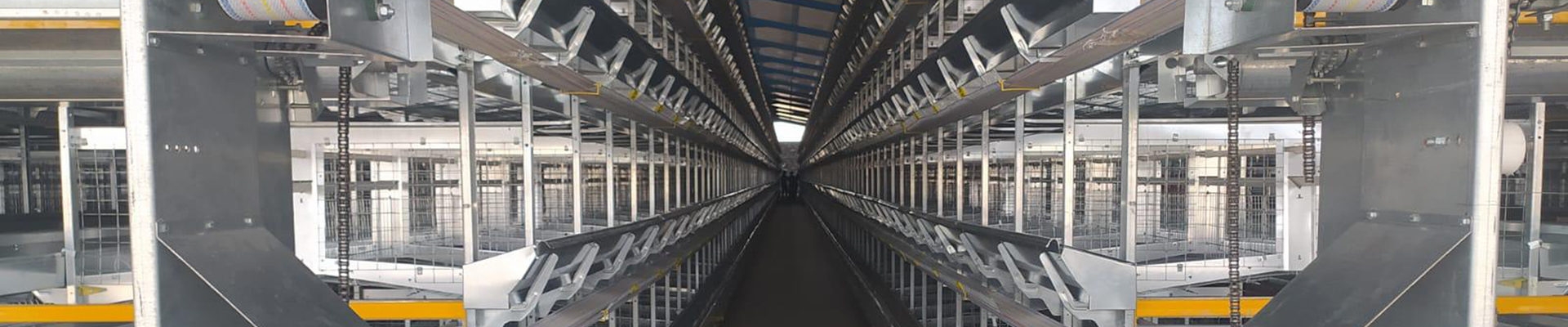
A type layer cage equipment integrates cage structure, feeding access, drinking lines, manure handling interfaces, and project-specific layout engineering into one coordinated poultry production platform.
Global factory-direct supply covers cage systems, poultry equipment, automatic feeding, drinking, manure removal, ventilation interfaces, and related project components.
Turn-key engineering coordinates equipment selection, house layout, waterline routing, installation requirements, commissioning, and production-oriented project documentation.
International project supply supports commercial layer farms requiring matched systems, technical specifications, container planning, installation guidance, and spare-parts coordination.
Factory engineering teams can configure complete poultry projects according to capacity targets, house dimensions, local conditions, automation levels, and operating requirements.
Contact Us To Received Your Customized Poultry Farm Plan
Headquarters And Branchs
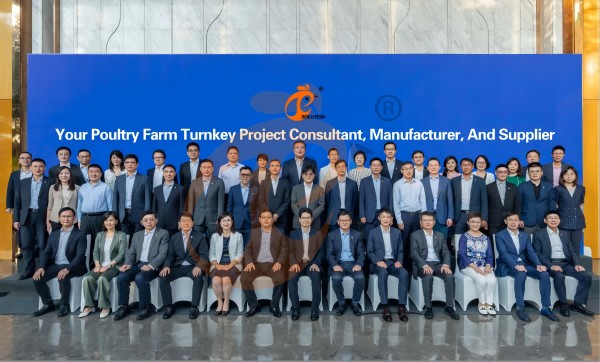
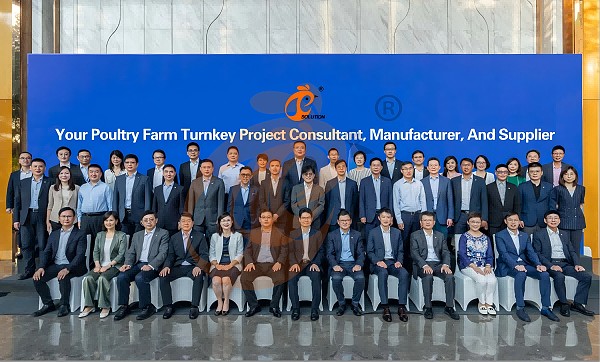
Hong Kong Headquarter Management Team
Hong Kong Headquarter Taiyu Industrial Group CO., LTD
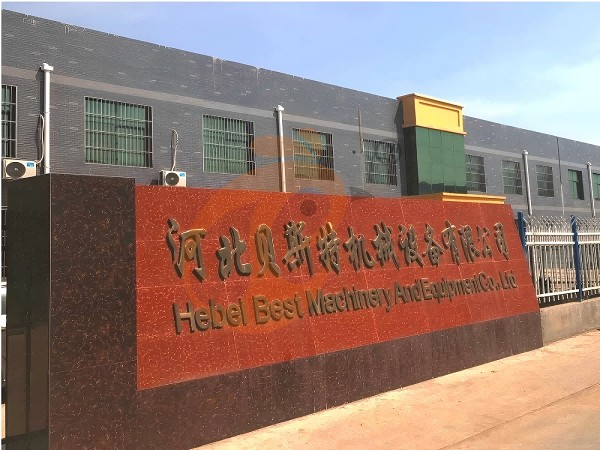
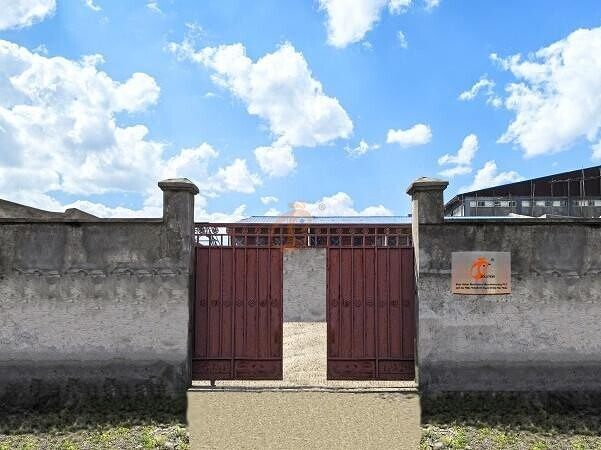
China Hebei Best Machinery And Equipment CO., LTD
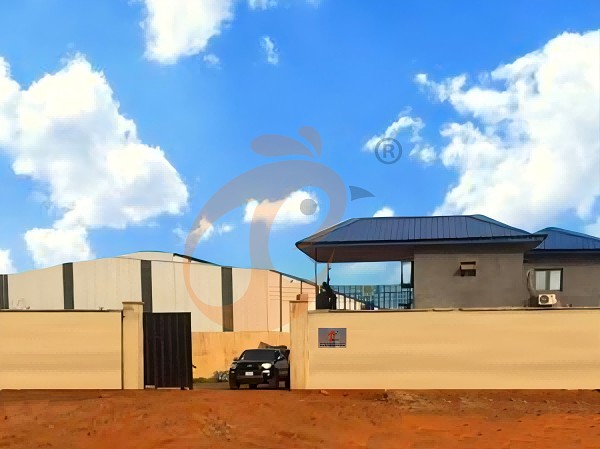
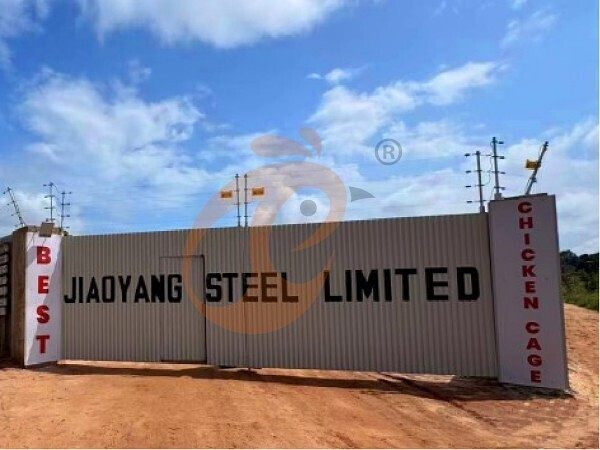
Nigeria Vanke Machinery And Equipment CO., LTD
Tanzania Best Machinery And Equipment CO., LTD
Ethiopia Best Hebei Machinery Manufacturing PLC
Reception /24 WhatsApp NO. : +8618830120193
PRODUCTS RECOMMENDED
 China Branch Manufacture Poultry Farm EquipmentRead More
 Ethiopia Branch Manufacture Poultry Farm EquipmentRead More
 Nigeria Branch Manufacture Poultry Farm EquipmentRead More
 Tanzania Branch Manufacture Poultry Farm EquipmentRead More
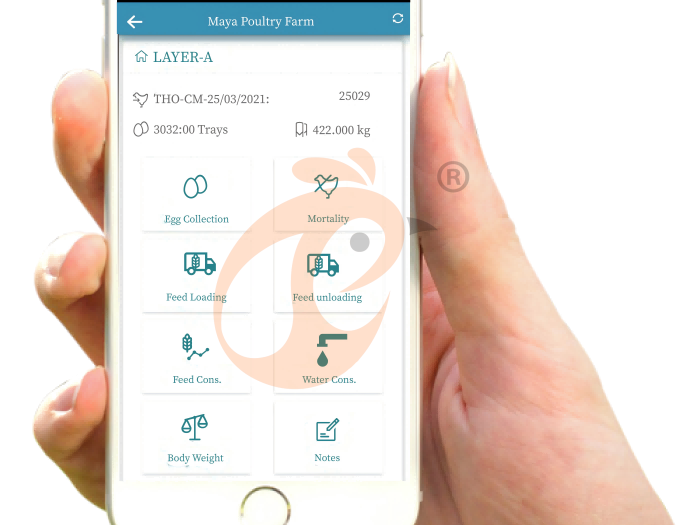
 IoT Smart Poultry FarmRead More
 >30,000 Layers Automatic H Type Battery CageRead More
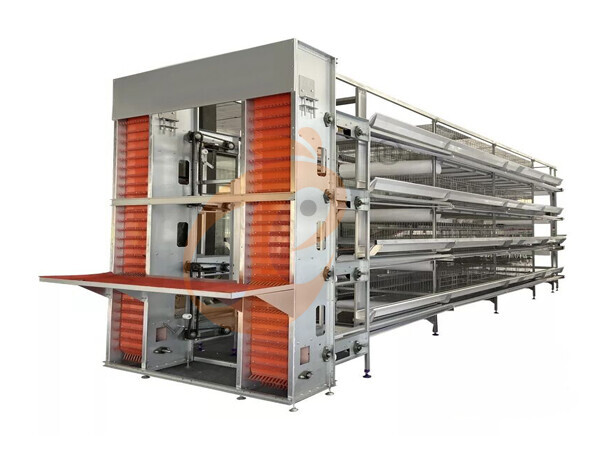
 10,000 - 30,000 Layers Automatic A Type Battery CageRead More
MESSAGE
NEWS
 50,000 - 100,000 chickens/house: poultry farm solution, chicken cage, poultry farm equipment, AI smart managementRead More
 30,000 - 50,000 chickens/house: poultry farm solution, chicken cage, poultry farm equipment, AI smart managementRead More
 10,000 - 30,000 chickens/house: poultry farm solution, chicken cage, poultry farm equipment, AI smart managementRead More
 100 - 10,000 chickens/house: poultry farm solution, chicken cage, poultry farm equipment, AI smart managementRead More