

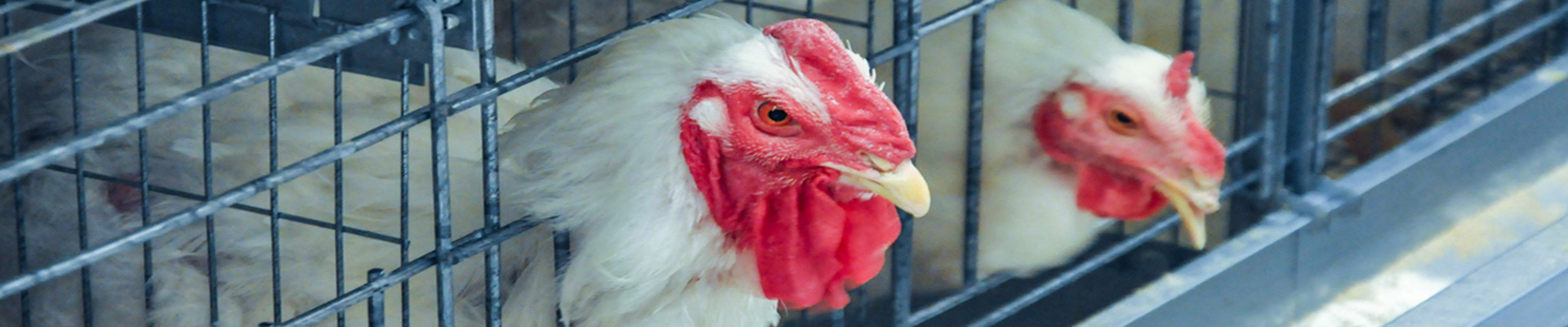
BLOG
A type battery cages and layer chicken cages improve production efficiency and farm profitability significantly.
Explains technical specifications, material standards, and structural durability factors.
Analyzes stocking density optimization and space utilization strategies for egg farms.
Economic insights include price ranges, return on investment timelines, and operational cost breakdowns.
Feed waste control, disease prevention, and egg protection technologies are discussed.
Practical farm management tips help improve productivity and long-term sustainability.
Get professional poultry farm construction guidance, equipment selection solutions, and the latest price lists, whatsApp to +8618830120193, click to learn more:
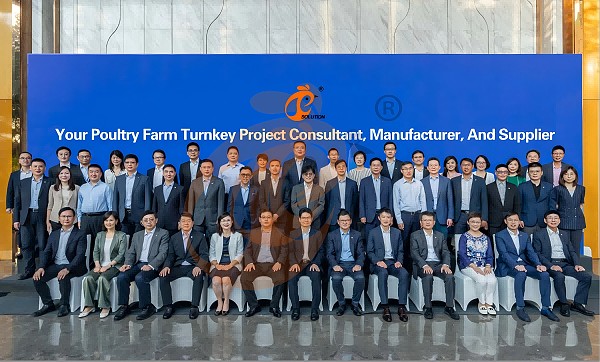
Technical Specifications
The foundation of a high-performing egg farm lies in the physical durability of the cage.
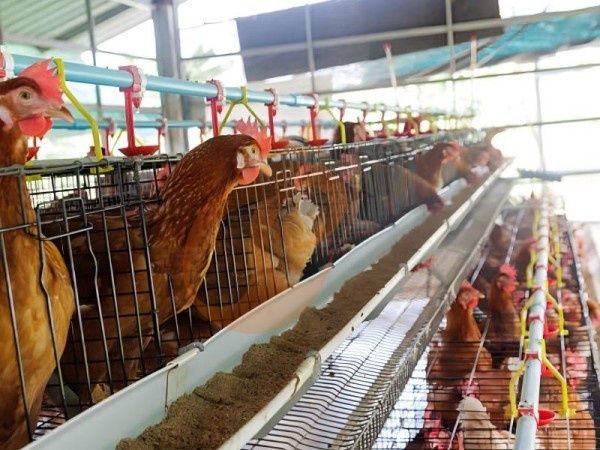
A-type battery cages are characterized by their triangular frame, which allows for natural ventilation and easier manure management in open or semi-open houses.
Data is for reference only. Swipe horizontally to view full table.
Space Management And Stocking Density
Farm owners often struggle with the ''density vs. health'' trade-off.
Overcrowding leads to stress and pecking, while under-utilization wastes expensive real estate.
Modern A-type designs optimize the usable area per bird, ensuring compliance with modern welfare guidelines while maximizing the house capacity.
By using a tiered A-frame, you can achieve high-density production compared to floor-rearing systems without increasing the building footprint.
Data is for reference only. Swipe horizontally to view full table.
Economic Analysis: Price And Return On Investment
The ''price'' of a battery cage is often misunderstood as just the purchase cost.
For a farm manager, the true cost includes the Feed Conversion Ratio (FCR) improvements and labor savings.
A-type systems are generally 30%–40% more affordable than H-type systems, making them suitable for medium-scale commercial farms.
The investment typically breaks even within 18–24 months through improved feed efficiency and reduced mortality.
Data is for reference only. Swipe horizontally to view full table.
Solving The Feed Waste Pain Point
Feed accounts for nearly 70% of egg production costs.
In traditional floor systems or poorly designed cages, feed waste can reach 8–12% of intake due to spillage and bird behavior.
Modern A-type systems use optimized trough geometry and controlled feeding lines to stabilize intake.
This makes poultry farming equipment more efficient and cost-controlled for commercial operations.
Data is for reference only. Swipe horizontally to view full table.
Biological Security And Disease Control
One of the primary ''pain points'' for any farm is the risk of Coccidiosis and other manure-borne diseases.
The A-type cage design isolates birds from manure contact through elevated wire flooring.
Manure removal systems reduce pathogen accumulation and improve air quality.
Data is for reference only. Swipe horizontally to view full table.
Minimizing Egg Breakage
In a manual farm, eggs are often stepped on, pecked, or soiled.
This reduces cracking and contamination during collection.
Data is for reference only. Swipe horizontally to view full table.
Environmental Control And Ventilation
Heat stress is a silent killer of egg production, especially in tropical climates.
The A-frame structure improves airflow and reduces ammonia concentration.
Stable ventilation improves laying consistency across production cycles.
Data is for reference only. Swipe horizontally to view full table.
Long-Term Farm Planning And System Selection Strate
When selecting A-type battery cage systems, long-term planning is more important than initial purchase cost.
Farms with 10,000–30,000 birds benefit most from semi-automatic systems due to balanced labor and investment structure.
Medium-scale farms gain efficiency from modular automation upgrades over time.
Large operations require full automation to stabilize production cycles and reduce labor dependency.
Proper planning ensures predictable cost per egg and stable production output across multiple laying cycles.
5 Key Tips For Egg Farm Success
Tip 1: Invest In The Galvanization Process
Hot-dip galvanization significantly extends cage lifespan under ammonia exposure conditions.
Tip 2: Optimize Manure Removal Frequency
Regular removal stabilizes air quality and reduces respiratory stress in flocks.
Tip 3: Monitor Water-To-Feed Ratio
Water intake changes are a leading indicator of flock health conditions.
Tip 4: Maintain Correct Slope
Proper slope ensures efficient egg movement and reduces breakage risk.
Tip 5: Gradual Automation Strategy
Staged automation reduces financial pressure and improves return on investment predictability.
Frequently Asked Questions
Q1: What is the typical price range of A-type battery cages per bird?
A1: Prices typically range from $2.5 to $10 depending on automation level and materials.
Q2: What is the recommended stocking capacity?
A2: Most systems are optimized for 10,000 to 30,000 birds per house.
Q3: What is the average feed conversion ratio?
A3: Modern systems achieve an FCR range of 1.9–2.2 under controlled conditions.
HB Best - One Of China Largest Layer Chicken Cage Manufacturer
Global factory direct supply ensures competitive pricing and stable poultry farm equipment solutions.
Specialized in poultry cage engineering with standardized production and long-term durability systems.
Provides integrated poultry farm equipment including feeding, watering, egg collection, and manure systems.
Offers full Turn-key engineering covering design, installation, and farm operation optimization.
Supports global poultry farming projects with scalable solutions from 10,000 to large industrial farms.
Contact Us To Received Your Customized Poultry Farm Plan
Headquarters And Branchs
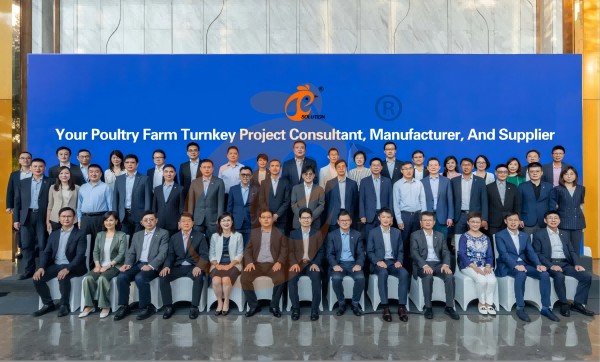
Hong Kong Headquarter Management Team
Hong Kong Headquarter Taiyu Industrial Group CO., LTD
China Hebei Best Machinery And Equipment CO., LTD
Nigeria Vanke Machinery And Equipment CO., LTD
Tanzania Best Machinery And Equipment CO., LTD
Ethiopia Best Hebei Machinery Manufacturing PLC
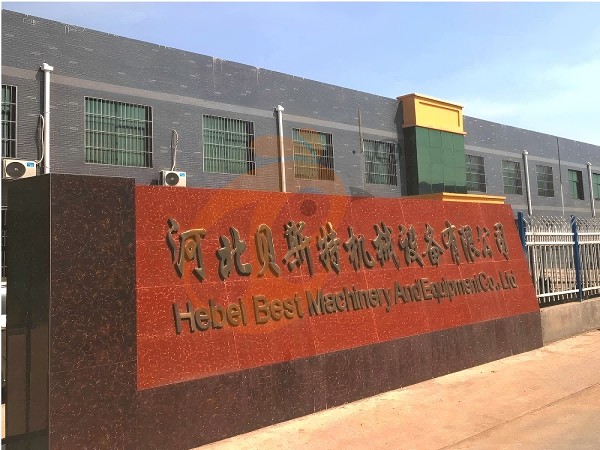
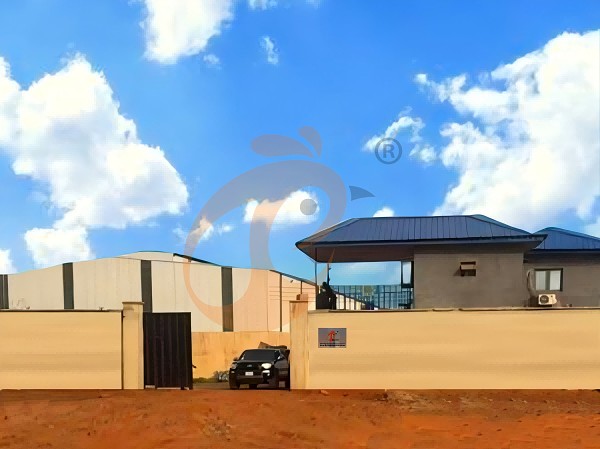
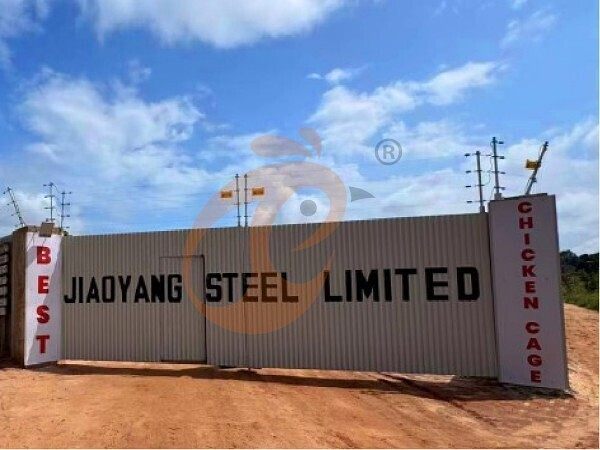
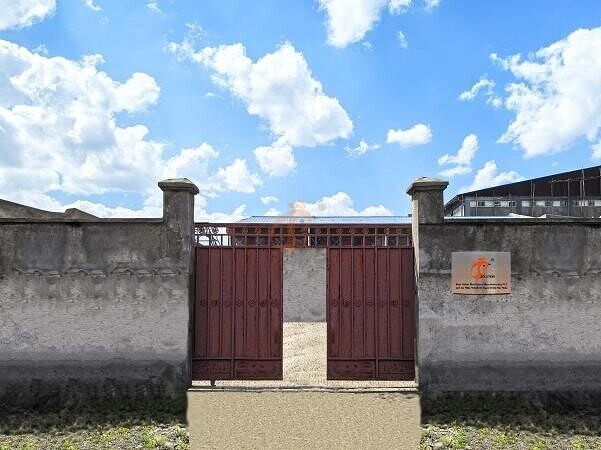
Reception /24 WhatsApp NO. : +8618830120193
PRODUCTS RECOMMENDED
 China Branch Manufacture Poultry Farm EquipmentRead More
 Ethiopia Branch Manufacture Poultry Farm EquipmentRead More
 Nigeria Branch Manufacture Poultry Farm EquipmentRead More
 Tanzania Branch Manufacture Poultry Farm EquipmentRead More
 IoT Smart Poultry FarmRead More
 >30,000 Layers Automatic H Type Battery CageRead More
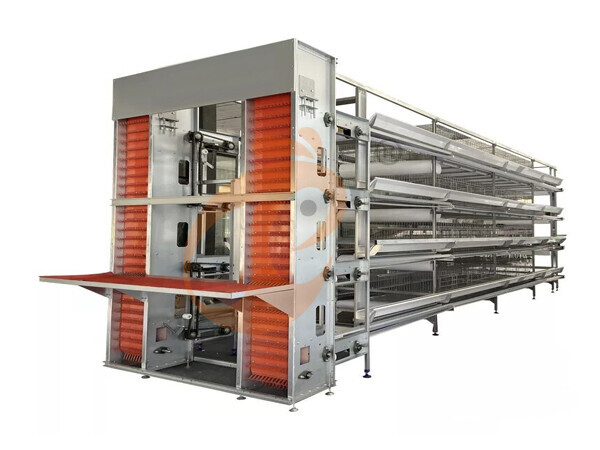
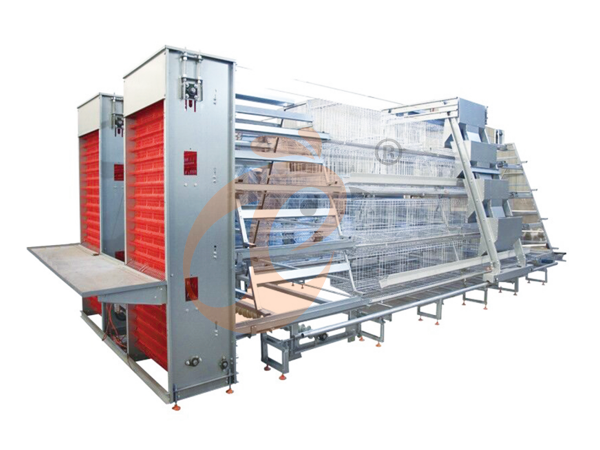
 10,000 - 30,000 Layers Automatic A Type Battery CageRead More
MESSAGE
NEWS
 What Makes A Factory-Direct A Type Chicken Battery Cage More Cost-Effective? 4 ReasonsRead More
 Deep Litter System For Broilers Vs Cage | Which Is More Profitable?Read More
 Free Range Broiler System Vs Intensive Farming | Which Is More Profitable?Read More
 Broiler Floor Rearing System Cost | 6 Factors Affecting PriceRead More