

NEWS
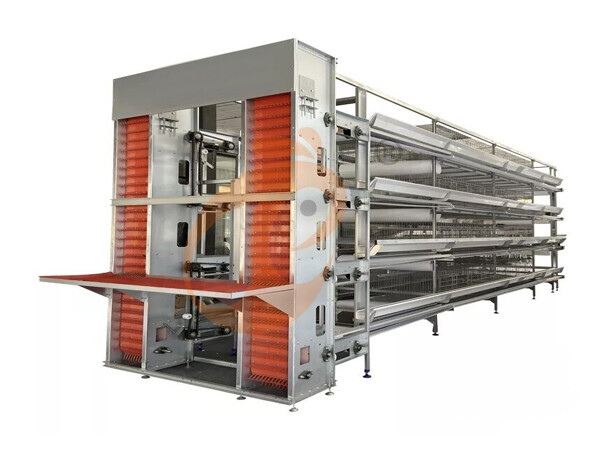
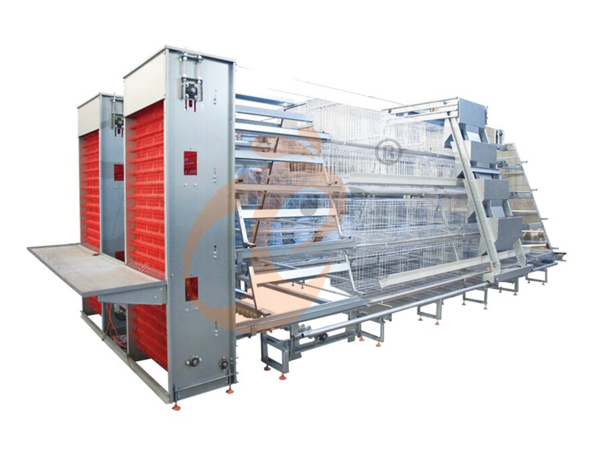
A type battery cage systems combine practical housing, reliable manure management, and coordinated poultry equipment for commercial egg production
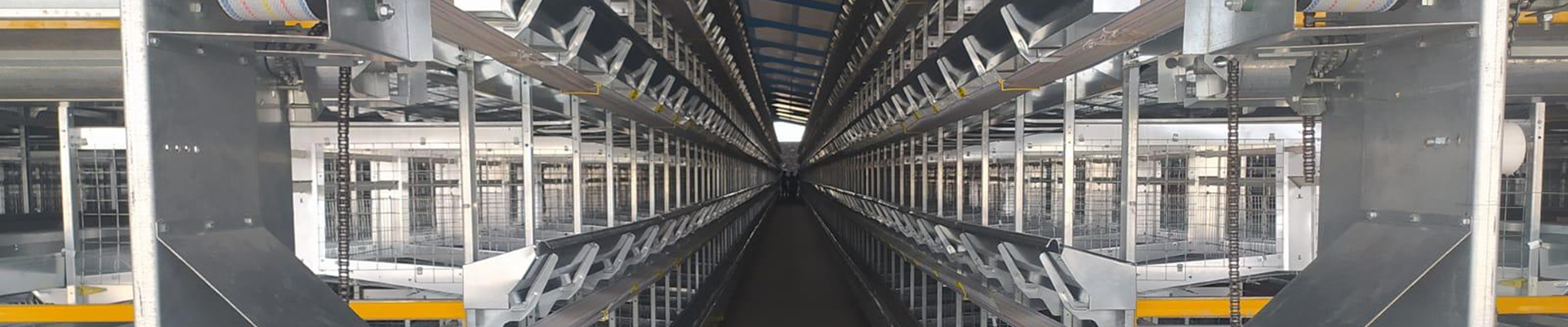
Manure belt systems support organized waste transport, with reference belt widths ranging from 500–900 mm
Manure scraper systems suit compatible channels and engineered collection layouts, depending on site conditions and equipment specifications
Automatic poultry equipment integrates feeding, drinking, egg collection, and ventilation to support efficient farm operation throughout the production cycle
Careful selection considers installation interfaces, operating expenditure, maintenance access, and long-term project requirements before equipment procurement
Get professional poultry farm construction guidance, equipment selection solutions, and the latest price lists, whatsApp to +8618830120193, click to learn more.
Why Manure Removal Matters In A Type Battery Cage Systems
A type battery cage systems coordinate bird housing with feeding, drinking, and manure management for commercial layer production.
Manure belt equipment transports waste toward collection points, while manure scraper equipment moves accumulated material through compatible channels.
For a 10-year investment plan, equipment durability and spare-parts availability should be evaluated alongside initial purchase costs.
A practical farm management schedule can include 365 operating days annually and a documented monthly performance review.
Our poultry equipment solutions combine cage systems and manure handling equipment to support consistent operation across commercial poultry projects.
Technical Comparison: Manure Belt Vs. Manure Scraper
Manure belt and manure scraper systems use different mechanical arrangements, so buyers should compare their interface requirements before confirming an equipment package.
Data is for reference only.Swipe horizontally to view full table.
Note: Values are indicative engineering references; confirm actual specifications against the selected model.
Before ordering, review 3 key interfaces: cage support, building structure, and downstream waste collection.
Request 2 coordinated layout drawings when comparing alternative manure removal arrangements for the same poultry house.
Our engineering team can match a type battery cage systems with compatible manure belt equipment or scraper assemblies based on the approved project design.
Selection Tip 1: Match Equipment To Farm Capacity
Bird numbers provide an initial planning reference for selecting A type battery cage systems and manure removal equipment.
Data is for reference only.Swipe horizontally to view full table.
Note: Capacity ranges are preliminary planning examples, not universal equipment limits.
Fresh manure output may initially be estimated at 50–150 g per bird daily, subject to flock conditions and local measurements.
A 30-day waste forecast helps estimate collection and storage requirements before final engineering calculations.
A 20% planning contingency may be considered during preliminary assessment, then adjusted using actual farm data.
Our team can use flock-management records and site drawings to recommend suitable poultry equipment for the intended production scale.
Selection Tip 2: Check Installation Compatibility
A type battery cage installation requires coordinated building interfaces, safe maintenance access, and correctly specified electrical connections.
Installation Technique Card
Measure the internal building envelope and locate structural obstructions
Confirm cage supports and manure removal interfaces against approved drawings
Verify electrical protection and cable-routing requirements
Preserve safe access for inspection and component replacement
Approve the installation layout before equipment fabrication
A service passage of 600–900 mm may be considered where building geometry and applicable safety requirements permit.
Selected maintenance points may require approximately 1.5 m of working clearance, subject to the final site layout.
Allowing 2–3 working days for an initial site assessment can help clarify installation constraints before manufacturing begins.
Our engineering team can review poultry house drawings and recommend compatible manure belt equipment, scraper assemblies, and conveyor connections.
Selection Tip 3: Compare Total Operating Costs
Manure belt and manure scraper systems should be assessed through total ownership cost rather than purchase price alone.
Data is for reference only.Swipe horizontally to view full table.
Note: Actual operating expenditure depends on site conditions, selected equipment, and local service arrangements.
Compare 3 supplier quotations using consistent scope definitions and clearly documented exclusions.
Evaluate 2 financial scenarios when exchange rates or imported-component costs could materially affect the project budget.
Total cost of ownership = purchase + installation + energy + labor + maintenance + downtime.
Request an itemized quotation and written spare-parts schedule before selecting manure handling equipment.
European union standard reference only.
Convert any euro-denominated project budget into us dollars using an agreed exchange rate on the quotation date.
Selection Tip 4: Evaluate Manure Conditions And Removal Frequency
Manure consistency affects belt cleaning performance, scraper movement, and the maintenance requirements of poultry equipment.
Data is for reference only.Swipe horizontally to view full table.
Note: Final limits must be confirmed with the equipment manufacturer and project drawings.
A 24-hour observation can reveal changes in manure consistency during normal poultry house operation.
A subsequent 7-day log can help identify recurring cleaning problems, while samples from 3 representative locations can reveal uneven conditions.
The removal schedule should reflect measured site conditions, farm management practices, and manufacturer instructions rather than a universal timetable.
Our technical team can help select suitable manure belt materials, scraper arrangements, and collection interfaces for the intended operating environment.
Selection Tip 5: Prioritize Automation, Safety, And Maintenance
Automatic poultry equipment supports consistent operation when controls, guarding, and maintenance responsibilities are defined before installation.
Data is for reference only.Swipe horizontally to view full table.
Note: Control and safety arrangements must follow the equipment design and applicable local requirements.
A 15-minute daily visual inspection, monthly mechanical review, and annual performance assessment can support structured maintenance planning.
Inspection intervals should follow manufacturer instructions, operating conditions, and the farm's documented risk assessment.
Before purchasing manure belt or scraper equipment, confirm operator training, commissioning responsibilities, and fault-reporting procedures.
Our poultry equipment packages can include technical documentation and recommended spare parts for commercial farm operations.
Project Workflow: From Design To Daily Operation
A structured workflow helps integrate A type battery cage systems with manure belt equipment and supporting poultry machinery.
Recommended Workflow
Survey the building and document existing infrastructure
Estimate manure output and determine the collection route
Configure cages and supporting equipment
Review drawings and approve the equipment schedule
Install drives, guards, electrical connections, and discharge interfaces
Commission equipment according to manufacturer procedures
Train operators in safe operation and fault reporting
Monitor operating records and arrange preventive maintenance
Allow 1–2 working days for operator training and approximately 60 minutes for an initial controlled test when required by the commissioning procedure.
A signed acceptance checklist should be completed before routine production begins, with unresolved issues assigned to named personnel.
Our project team coordinates equipment interfaces and installation responsibilities to establish a clearly defined delivery scope.
Recommended Equipment Combinations For Different Farms
Integrated poultry equipment combines housing, feeding, drinking, egg collection, and manure handling into a coordinated production system.
Data is for reference only.Swipe horizontally to view full table.
Review the first 12 months of planned operation and identify equipment requiring scheduled inspection or replacement.
If expansion is expected within 3 years, evaluate future building connections and service access before finalizing the initial layout.
Our company supplies coordinated poultry equipment packages tailored to production targets, building design, budget, and local operating requirements.
What To Request In Your Equipment Quotation
A detailed quotation helps buyers compare A type battery cage systems and manure removal equipment using consistent technical and commercial criteria.
Data is for reference only.Swipe horizontally to view full table.
Note: Confirm all values, units, and commercial conditions against the signed quotation.
Complete a 100% scope review before approving the purchase order, including any excluded components or customer-supplied services.
Use 2 formal sign-off checkpoints to confirm technical approval and commercial approval before production release.
Request a numbered equipment list, written installation responsibilities, and confirmation of any civil works or electrical connections not included.
Our sales team can prepare a project-specific quotation for A type battery cage systems, manure belts, scraper equipment, and optional poultry house machinery.
Common Purchasing Mistakes To Avoid
Purchasing problems often result from incomplete specifications rather than defective poultry equipment.
Avoid These Common Mistakes
Selecting a scraper without confirming channel compatibility
Ordering manure belt equipment before identifying the discharge location
Comparing prices without checking included components
Ignoring access for cleaning and component replacement
Overlooking local electrical compatibility and motor protection
Purchasing equipment without confirming spare-parts availability
Conduct one technical review before manufacturing approval and another before installation begins.
Maintain 3 controlled project records: the latest drawing revision, the signed equipment schedule, and the unresolved-issues register.
A consolidated interface checklist covering cages, feeding, drinking, manure removal, and egg collection helps clarify responsibilities and reduce avoidable installation delays.
Frequently Asked Questions
Q1: Which is better for a type battery cages manure belt or scraper?
A1: Manure belt equipment is worth evaluating for organized transport and conveyor integration, while scraper equipment can suit compatible channels.
Compare 3 factors before deciding: building layout, manure characteristics, and maintenance access.
Q2: How often should manure removal equipment operate?
A2: Operating frequency depends on manure accumulation, ventilation, farm management, and equipment specifications.
A 7-day operating log can help establish a practical schedule for a particular poultry house.
Q3: Can manure removal equipment be integrated with automatic poultry systems?
A3: Yes, compatible manure removal equipment can be coordinated with feeding, drinking, egg collection, and ventilation systems.
A project-specific layout should confirm all major equipment interfaces before installation and commissioning.
Taiyu (HK) Group - One Of China's Largest A Type Battery Cage Supplier
A type battery cage systems configurable cage tiers, manure belt or scraper options, and compatible poultry house equipment, with specifications confirmed against approved engineering drawings
Global factory direct supply direct coordination of poultry equipment manufacturing, technical specifications, component selection, and international project quotations
Complete poultry equipment integrated feeding, drinking, egg collection, manure removal, and ventilation solutions for commercial layer farms
Turn-key engineering projects site assessment, equipment configuration, installation coordination, commissioning support, and operator training according to project scope
Technical commercial support model-specific quotations, spare-parts planning, installation documentation, and after-sales coordination for international customers
Contact Us To Received Your Customized Poultry Farm Plan
Headquarters And Branchs

Hong Kong Headquarter Management Team
Hong Kong Headquarter Taiyu Industrial Group CO., LTD
China Hebei Best Machinery And Equipment CO., LTD
Nigeria Vanke Machinery And Equipment CO., LTD
Tanzania Best Machinery And Equipment CO., LTD
Ethiopia Best Hebei Machinery Manufacturing PLC




Reception /24 WhatsApp NO. : +8618830120193
PRODUCTS RECOMMENDED
 China Branch Manufacture Poultry Farm EquipmentRead More
 Ethiopia Branch Manufacture Poultry Farm EquipmentRead More
 Nigeria Branch Manufacture Poultry Farm EquipmentRead More
 Tanzania Branch Manufacture Poultry Farm EquipmentRead More
 IoT Smart Poultry FarmRead More
 >30,000 Layers Automatic H Type Battery CageRead More
 10,000 - 30,000 Layers Automatic A Type Battery CageRead More
MESSAGE
NEWS
 50,000 - 100,000 chickens/house: poultry farm solution, chicken cage, poultry farm equipment, AI smart managementRead More
 30,000 - 50,000 chickens/house: poultry farm solution, chicken cage, poultry farm equipment, AI smart managementRead More
 10,000 - 30,000 chickens/house: poultry farm solution, chicken cage, poultry farm equipment, AI smart managementRead More
 100 - 10,000 chickens/house: poultry farm solution, chicken cage, poultry farm equipment, AI smart managementRead More