

BLOG
Deep litter poultry system management directly affects broiler growth rate, feed conversion ratio, and poultry farm profitability.
Poultry ventilation system configuration determines litter moisture stability, ammonia concentration, and poultry house environmental performance.
Commercial chicken farming operations require controlled stocking density, automatic drinker systems, and scientific litter maintenance schedules.
Poultry equipment selection influences water consumption efficiency, manure fermentation balance, and respiratory disease prevention capability.
Modern poultry farming projects increasingly combine deep litter poultry housing with automated feeding and ventilation engineering solutions.
Get professional poultry farm construction guidance, equipment selection solutions, and the latest price lists, whatsApp to +8618830120193, click to learn more:
Introduction To Deep Litter Poultry System
The deep litter poultry system is one of the most commonly used poultry housing methods in modern chicken farming.
This poultry management model allows broilers, layers, and native chickens to live directly on a prepared floor covered with bedding materials such as rice husk, wood shavings, peanut hulls, or chopped straw.
Compared with battery cage farming, the deep litter poultry system requires lower initial investment and simpler poultry equipment installation.
Many medium-scale poultry farms and family chicken farms choose this poultry housing method because commercial poultry farming projects require flexible bird movement and stable operating costs.
Engineering management standards require litter management, poultry house ventilation, feeding control, biosecurity, and moisture reduction to maintain profitable poultry farming operations.
Excessive litter moisture above acceptable limits increases ammonia accumulation, respiratory disease outbreaks, poor FCR performance, slow broiler growth, reduced egg production, and mortality rates.
A properly managed deep litter poultry house can maintain stable flock performance throughout the production cycle while reducing unnecessary veterinary expenses.
This article explains 6 practical poultry management tips that help poultry farmers improve litter condition, maintain healthier birds, and increase commercial poultry production efficiency.
Understanding Deep Litter Poultry House Structure
The structure of a poultry house directly affects litter condition and flock productivity.
A deep litter poultry building must support ventilation efficiency, manure drying, water management, and proper bird distribution.
Data is for reference only.Swipe horizontally to view full table.
Concrete floors are commonly preferred because underground moisture penetration negatively affects litter quality and poultry house cleaning efficiency.
Good floor preparation reduces litter spoilage and improves long-term poultry house hygiene.
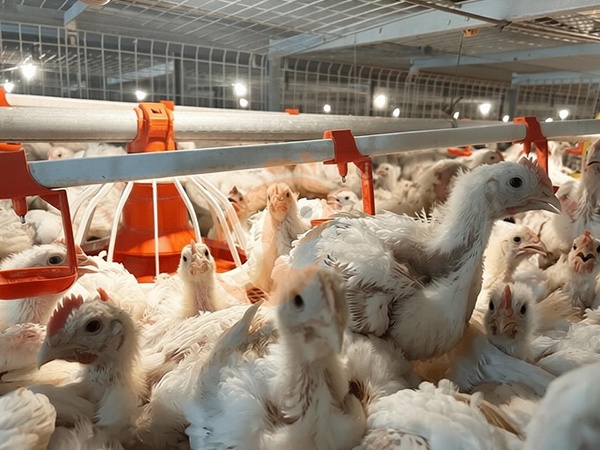
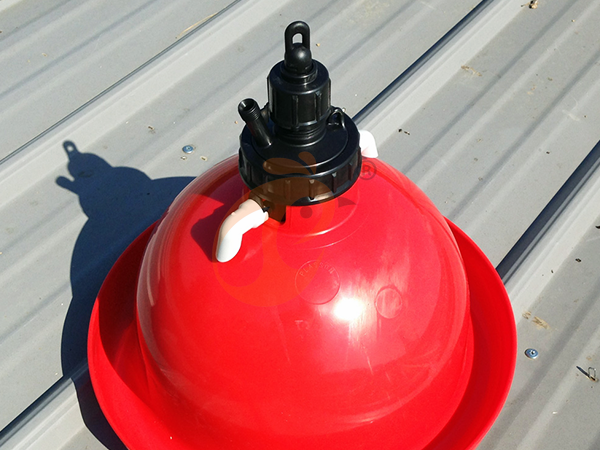
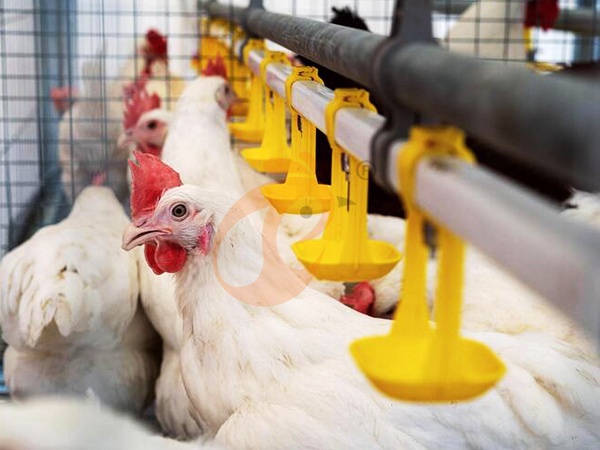
Modern poultry farms also install automatic nipple drinker systems because automatic poultry equipment reduces water wastage compared with open drinkers.
Practical Tip Select Proper Litter Materials
Choosing suitable litter material is the foundation of deep litter poultry farming.
The litter layer continuously absorbs manure moisture, supports bird movement, and insulates the poultry house floor.
Poor litter materials quickly become compacted and difficult to manage.
Data is for reference only.Swipe horizontally to view full table.
Rice husk is widely used in Asian poultry farms because regional agricultural supply chains support economical poultry litter sourcing.
Wood shavings are more common in colder regions because floor insulation performance improves winter poultry production stability.
Engineering hygiene standards require poultry farms to avoid moldy litter materials because fungal contamination may trigger aspergillosis and respiratory diseases.
The moisture content of new litter should remain below 15% before birds enter the poultry house.
Practical Tip Control Litter Moisture Daily
Moisture management is the most important factor in deep litter poultry system operation.
Wet litter accelerates ammonia production and creates favorable conditions for coccidiosis and bacterial infections.
Most litter moisture problems originate from leaking drinkers, overcrowding, roof leakage, or poor ventilation.
Data is for reference only.Swipe horizontally to view full table.
The ideal litter moisture level should remain between 20% and 25%.
Litter moisture above 35% significantly increases ammonia release and footpad injury incidence.
Poultry workers should inspect drinker lines every morning and evening.
Wet litter around water lines should be removed immediately before contamination spreads to surrounding areas.
Practical Tip Improve Poultry House Ventilation
Ventilation is essential for controlling temperature, humidity, carbon dioxide, and ammonia concentration inside the poultry house.
Deep litter poultry farming requires continuous airflow because manure fermentation continuously releases moisture and gases.
Poor ventilation performance increases respiratory stress and reduces feed efficiency.
Data is for reference only.Swipe horizontally to view full table.
Natural ventilation poultry houses use sidewall curtains and roof openings to improve air circulation.
Commercial poultry farms often use tunnel ventilation systems equipped with exhaust fans and cooling pads.
Engineering ventilation standards require airflow operation during cold seasons because trapped humidity causes severe litter deterioration.
Balanced airflow removes moisture while maintaining stable bird comfort.
Scientific Function Of Deep Litter Fermentation
The deep litter poultry system also functions as a biological decomposition environment.
Beneficial microorganisms gradually break down poultry manure and organic matter inside the litter layer.
This microbial activity produces moderate heat and partially reduces harmful bacteria populations.
Data is for reference only.Swipe horizontally to view full table.
The fermentation process explains why properly maintained litter produces lower odor concentration compared with unmanaged manure accumulation.
Excessive moisture blocks oxygen circulation inside the litter layer and encourages anaerobic bacterial growth.
Proper litter turning improves oxygen distribution and supports stable microbial activity.
Practical Tip Maintain Correct Stocking Density
Stocking density directly influences litter quality and bird performance.
Overcrowded poultry houses generate excessive manure moisture and reduce airflow around birds.
Broilers raised under extreme density conditions often experience reduced weight gain and higher mortality rates.
Data is for reference only.Swipe horizontally to view full table.
Lower stocking density improves bird movement and reduces aggressive behavior.
Birds also maintain cleaner feathers and healthier feet under balanced population management.
Many poultry farms reduce profitability because production density exceeds recommended ventilation and litter management capacity.
Correct density management supports stable flock uniformity and FCR performance.
Practical Tip Stir And Replace Litter Frequently
Litter management requires continuous physical maintenance throughout the poultry production cycle.
If litter remains compacted for long periods, moisture accumulates underneath the surface and increases bacterial activity.
Routine litter turning improves drying efficiency and prevents hard manure cake formation.
Data is for reference only.Swipe horizontally to view full table.
Wet litter beneath drinkers should never remain untreated for more than 24 hours.
Delayed cleaning increases pathogen multiplication and ammonia release.
Some poultry farms install mechanical litter turners to reduce labor costs in large-scale poultry operations.
Fresh dry litter should be stored in protected areas to avoid rain contamination before use.
Practical Tip Strengthen Poultry Farm Biosecurity
Biosecurity is critical in deep litter poultry farming because birds remain in direct contact with floor surfaces throughout the production cycle.
Disease organisms can survive inside contaminated litter and spread rapidly across the flock.
Data is for reference only.Swipe horizontally to view full table.
Farm workers should use dedicated poultry farm clothing and disinfect footwear before entering the poultry house.
Vehicles transporting feed or birds should also pass through sanitation areas before approaching poultry buildings.
Strong biosecurity significantly reduces Newcastle disease, infectious bronchitis, salmonella, and avian influenza transmission risks.
Common Poultry Diseases Related To Poor Litter Management
Several poultry diseases are closely connected with wet litter and poor poultry house sanitation.
Early disease detection helps poultry farmers reduce mortality and treatment expenses.
Data is for reference only.Swipe horizontally to view full table.
Vaccination programs should always accompany litter management strategies.
Advanced poultry equipment cannot compensate for severe hygiene neglect inside poultry houses.
Regular flock observation allows poultry farmers to identify disease symptoms before outbreaks become uncontrollable.
Feeding And Water Management In Deep Litter Poultry Farms
Feed and water systems strongly influence litter condition.
Incorrect feeder height and water pressure often increase feed wastage and floor moisture.
Data is for reference only.Swipe horizontally to view full table.
Feed containing excessive salt or potassium increases water intake and wet manure output.
Balanced poultry nutrition helps maintain stable digestion and reduces litter deterioration.
Automatic feeding systems also help reduce feed contamination and improve labor efficiency in commercial poultry farming operations.
Seasonal Deep Litter Poultry Management
Different seasons require different litter management strategies.
Rainy weather usually increases litter moisture, while summer heat accelerates ammonia release inside poultry houses.
Data is for reference only.Swipe horizontally to view full table.
Poultry farms should regularly monitor temperature and humidity changes inside poultry houses instead of relying only on outdoor climate conditions.
Environmental monitoring equipment helps maintain stable production performance throughout the year.
Poultry Equipment Used In Deep Litter Systems
Modern deep litter poultry farms increasingly use automated poultry equipment to improve efficiency and reduce labor requirements.
Proper poultry equipment selection supports cleaner litter and healthier flock conditions.
Data is for reference only.Swipe horizontally to view full table.
Automatic nipple drinkers are especially important because traditional open drinkers often cause severe litter wetting.
Ventilation fans and cooling systems also improve litter drying during hot and humid production seasons.
Economic Benefits Of Deep Litter Poultry Farming
The deep litter poultry system remains economically attractive for many poultry investors because construction costs are lower than fully automated cage systems.
This production model is suitable for broiler farming, free-range chicken farming, and medium-scale layer farms.
Data is for reference only.Swipe horizontally to view full table.
European union standard reference only.
Lower infrastructure cost allows many new poultry farmers to enter commercial chicken farming more easily.
Deep litter poultry systems also support organic poultry production and native chicken farming more effectively than cage systems.
Frequently Asked Questions
Q1: What is the ideal litter depth for deep litter poultry farming?
Commercial poultry farming projects usually maintain litter thickness between 8 cm and 15 cm.
Broiler poultry farms operating in humid regions commonly use 10–12 cm litter depth because additional absorption capacity improves moisture control performance.
Q2: How often should deep litter be replaced in poultry houses?
Partial litter replacement is commonly performed every 3–4 weeks depending on stocking density and moisture conditions.
Complete litter removal is normally conducted after one production cycle lasting 35–60 days for broilers or longer periods for layer farming operations.
Q3: Which poultry equipment improves deep litter management efficiency?
Automatic nipple drinker systems, tunnel ventilation fans, cooling pads, and automatic feeding systems significantly improve litter quality management.
Commercial poultry farms using automatic nipple drinkers can reduce water wastage by approximately 30–40% compared with open drinker systems.
Taiyu (HK) Group - One Of China Largest Deep Litter Poultry System Supplier
Deep litter poultry system solutions support efficient broiler and layer farming projects worldwide.
Global factory direct poultry equipment supply supports stable commercial poultry farming development.
Poultry cage and automatic feeding systems improve flock management and labor efficiency.
Turn-key poultry engineering projects include ventilation systems and automatic drinker installation services.
Professional poultry farm equipment manufacturing supports medium and large poultry farm construction.
Contact Us To Received Your Customized Poultry Farm Plan
Headquarters And Branchs

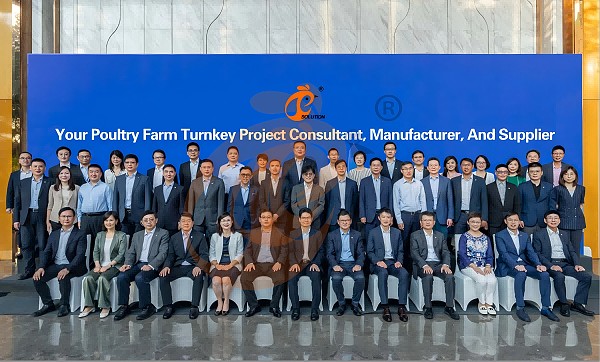
Hong Kong Headquarter Management Team
Hong Kong Headquarter Taiyu Industrial Group CO., LTD
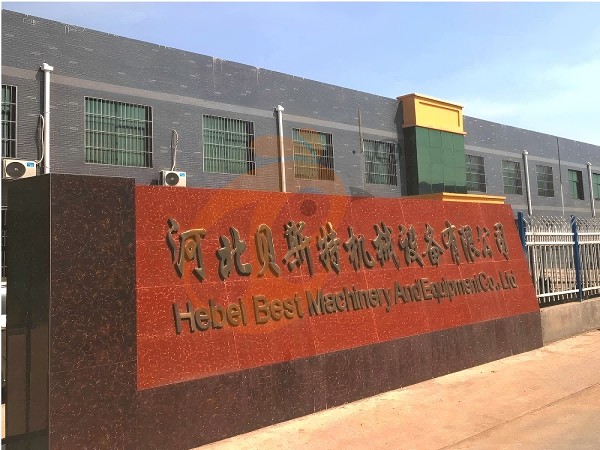
China Hebei Best Machinery And Equipment CO., LTD
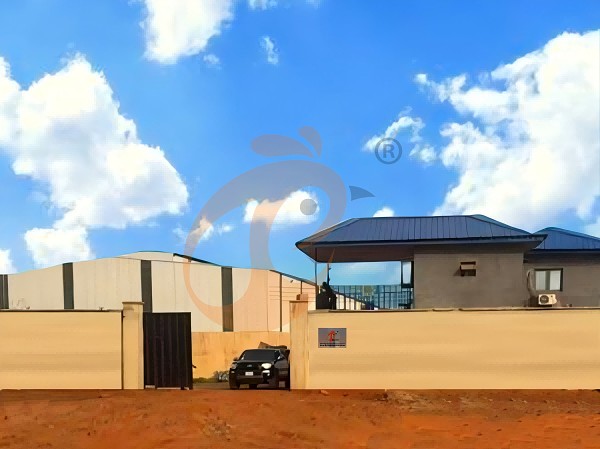
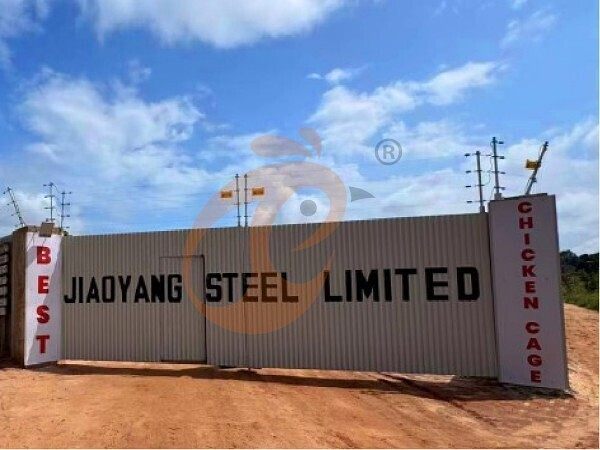
Nigeria Vanke Machinery And Equipment CO., LTD
Tanzania Best Machinery And Equipment CO., LTD
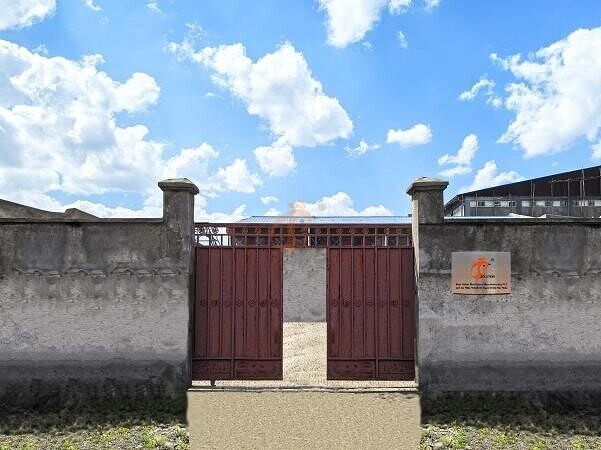
Ethiopia Best Hebei Machinery Manufacturing PLC
Reception /24 WhatsApp NO. : +8618830120193
PRODUCTS RECOMMENDED
 China Branch Manufacture Poultry Farm EquipmentRead More
 Ethiopia Branch Manufacture Poultry Farm EquipmentRead More
 Nigeria Branch Manufacture Poultry Farm EquipmentRead More
 Tanzania Branch Manufacture Poultry Farm EquipmentRead More
 IoT Smart Poultry FarmRead More
 >30,000 Layers Automatic H Type Battery CageRead More
 10,000 - 30,000 Layers Automatic A Type Battery CageRead More
MESSAGE