

NEWS
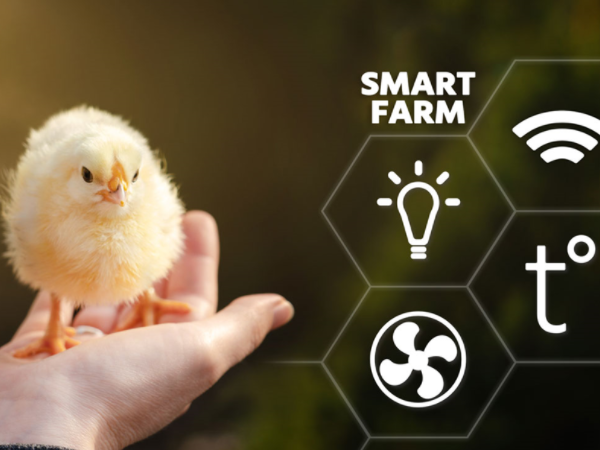
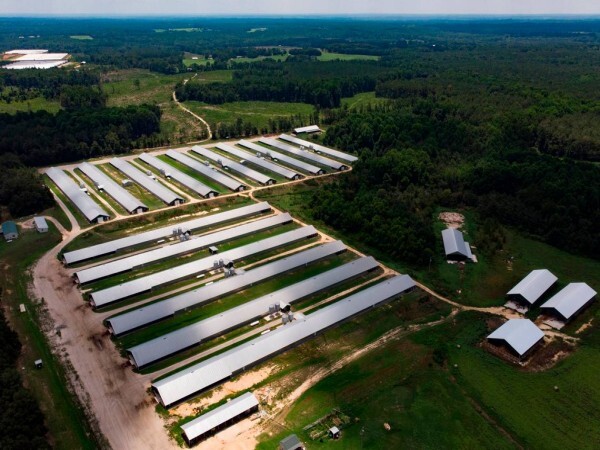
An iot based smart poultry farm integrates automated cage equipment, artificial intelligence, environmental sensors, and centralized management to improve commercial egg production.
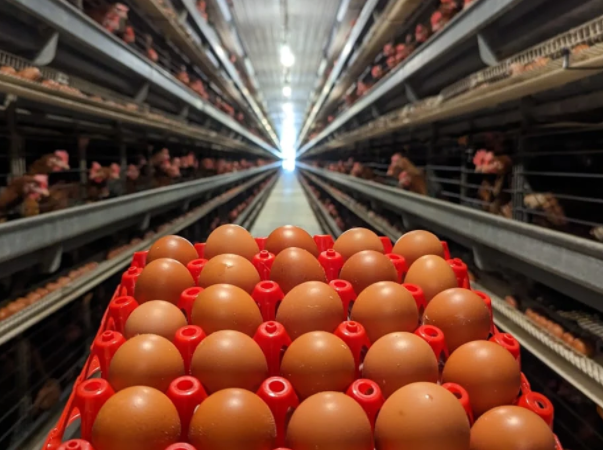
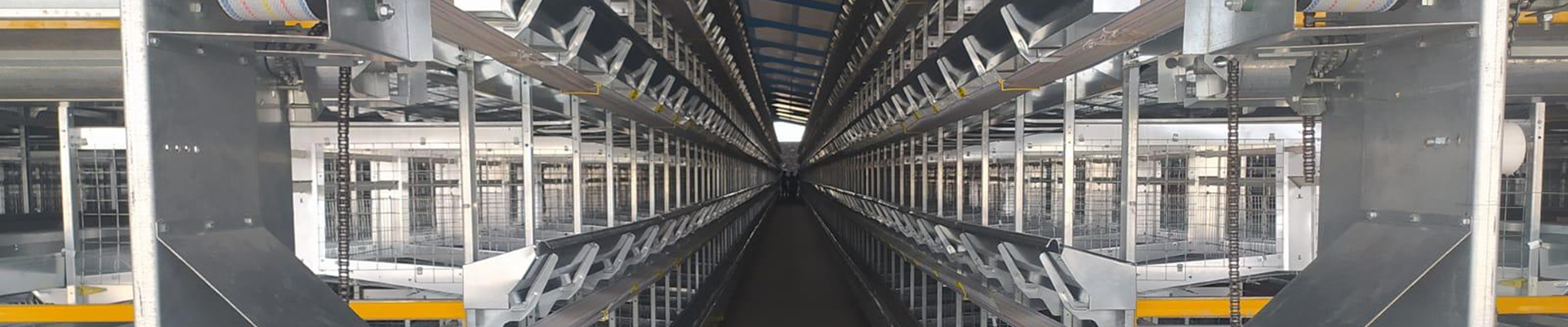
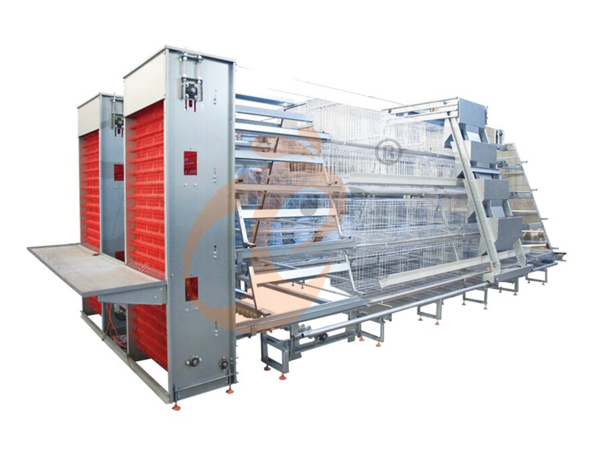
Intelligent cage management multi-tier H-type cages integrate feeding, drinking, egg collection, and manure removal.
Real-time monitoring digital controllers monitor temperature, humidity, and equipment performance around the clock.
Production optimization software analyzes feed consumption, egg output, and flock health.
Engineering efficiency A 15-minute reporting interval, 30-second fault notification target, and 99% data availability provide measurable management benchmarks
Get professional poultry farm construction guidance, equipment selection solutions, and the latest price lists, whatsApp to +8618830120193, click to learn more.
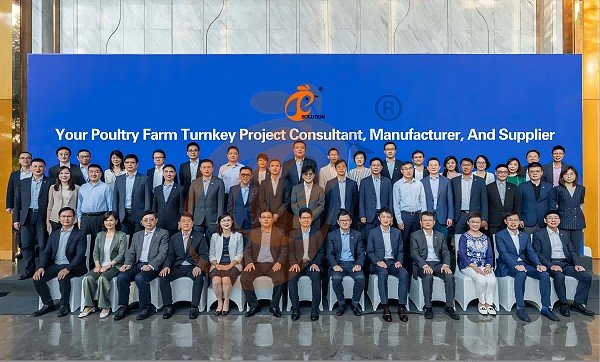
Taiyu Group (HK): Global Poultry Equipment Manufacturer & Supplier
2. Intelligent Cage Equipment Design For IoT Based Smart Poultry Farm Operations
Layer cages are essential equipment in intensive commercial egg production.
H-type and A-type systems offer different structural configurations, installation requirements, and automation possibilities.
2.1 H Type Multi Tier Layer Cage Systems
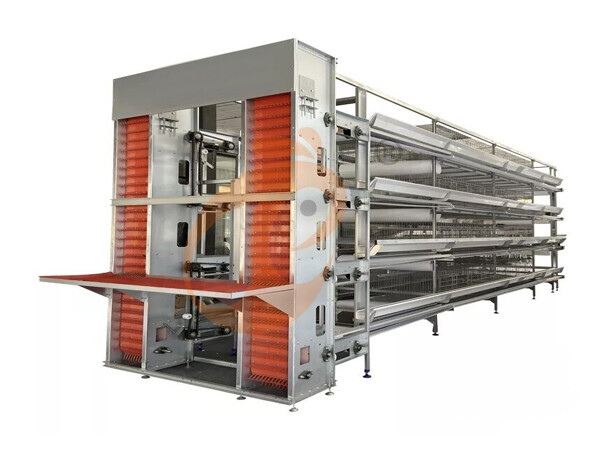
H-type cages arrange galvanized steel structures vertically, increasing bird capacity within limited building space.
Automatic feeding, drinking, egg collection, and manure removal can be integrated.
Data is for reference only.Swipe horizontally to view full table.
Structural thickness, load-bearing capacity, and foundation requirements must be confirmed through engineering calculations.
Commercial poultry projects can also benefit from professional engineering planning and Taiyu Group (HK) Poultry Farm Equipment industry solutions.
Explore professional poultry farm engineering solutions. WhatsApp to +8618830120193.
2.2 A Type Layer Cage Systems
A-type cages are suitable for small and medium-sized farms requiring relatively straightforward equipment arrangements.
Galvanized steel cage frames and inclined wire floors.
Automatic chain feeders with adjustable tension.
Nipple drinkers with filtration assemblies.
Egg collection belts with protective transfer rollers.
Manual or motorized manure removal.
2.3 Automatic Feeding And Drinking Engineering
Reliable feed and water distribution support flock uniformity and production performance.
Data is for reference only.Swipe horizontally to view full table.
Actual specifications depend on equipment design, bird age, and manufacturer recommendations.
3. Cage House Planning And Intelligent Layout For IoT Based Smart Poultry Farm Projects
Commercial cage house design must coordinate building dimensions, equipment capacity, structural support, and maintenance access.
H-type systems are particularly suitable for large-scale automated egg production.
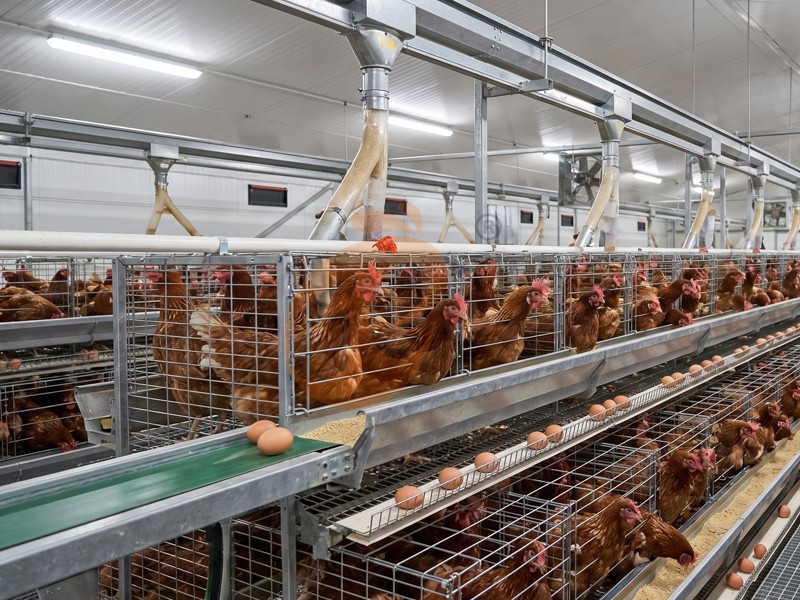
3.1 Cage Installation And Structural Engineering
Important additional engineering considerations include
Floor load-bearing allowance approximately 3–5 kn/m², subject to structural calculations.
Roof insulation approximately 50–100 mm, depending on climate.
Generator transfer target 10–30 seconds.
Separate electrical circuits for ventilation, feeding, egg collection, and manure removal.
Safe maintenance platforms and removable inspection panels.
3.2 Automated Cage Equipment Configuration
Data is for reference only.Swipe horizontally to view full table.
Actual throughput depends on conveyor dimensions, equipment configuration, and grading capacity.
4. Floor Raised Cage Free And Free Range Systems In IoT Based Smart Poultry Farm Production
Professional poultry production includes conventional cage, floor-raised, aviary, and free-range systems.
Each method requires different housing structures, equipment, and flock management procedures.
4.1 Floor Raised Poultry Housing
Floor-raised systems keep hens indoors without individual cages.
Building insulated barns with concrete floors and litter areas.
Equipment pan feeders, nipple drinkers, ventilation fans, and nest boxes.
Management litter moisture, rodent control, and floor egg collection.
Density reference approximately 10–12 hens/m², subject to applicable welfare standards.
4.2 Aviary Poultry Housing
Aviary systems provide elevated platforms and multiple levels for bird movement.
Building multi-level structures with nesting areas and accessible platforms.
Equipment communal nests, perches, manure belts, and ramps.
Management pullets require training to use elevated structures.
Design reference approximately 15 cm perch space/bird and 120 hens/m² of communal nest floor as certain market-specific reference values.
Modern poultry housing requires careful coordination between building design, equipment installation, and daily flock management.
Producers evaluating different housing configurations can also review Taiyu Group (HK) Poultry Farm Equipment for broader commercial farm planning information.
Develop an efficient poultry housing layout with professional farm planning support. WhatsApp to +8618830120193.
4.3 Free Range Poultry Housing
Free-range systems combine indoor housing with outdoor access.
Building enclosed barns with secure outdoor openings.
Equipment fencing, shelters, outdoor drinkers, and mobile feeders.
Management pasture rotation, parasite control, and predator protection.
Access reference A 4–6-hour daily outdoor management window can be used for operational planning, subject to local requirements and weather conditions.
4.4 Comparison Of Different Poultry Housing Systems
Data is for reference only.Swipe horizontally to view full table.
Illustrative planning figures only.
Applicable national legislation, certification requirements, and welfare standards take priority.
5. AI Monitoring And Intelligent Environmental Control In IoT Based Smart Poultry Farm Management
Artificial intelligence connects environmental measurements with production records, helping managers identify abnormal conditions and improve equipment efficiency.
5.1 Intelligent Environmental Monitoring
Smart controllers integrate sensors with ventilation and cooling equipment.
Air velocity approximately 0.2–0.5 m/s during mild-weather ventilation.
Static pressure approximately 20–40 Pa for preliminary negative-pressure design.
Lighting intensity approximately 10–20 lux during normal production lighting.
Lighting schedule up to 16 hours of light and at least 8 hours of continuous darkness, depending on the production program.
5.2 AI Based Production Analysis
AI software analyzes historical and real-time data to identify operational problems.
Detect abnormal egg production changes.
Identify feed conveyor interruptions.
Monitor unusual drinking behavior.
Compare production between cage rows.
Generate preventive maintenance notifications.
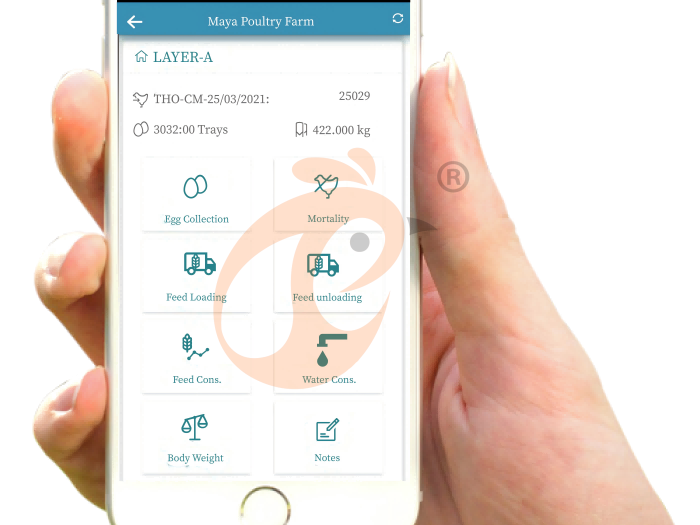
5.3 Digital Farm Management And Data Integration
Centralized platforms combine production, environmental, and equipment information.
Managers can access vaccination records, mortality reports, feed batches, veterinary treatments, and daily egg production through mobile devices and computers. Integrated digital management also supports more efficient communication between farm operators, equipment technicians, and production managers.
Professional Taiyu Group (HK) Poultry Farm Equipment solutions can complement this approach when planning commercial poultry production facilities.
Upgrade commercial poultry production through integrated equipment and intelligent management. WhatsApp to +8618830120193.
6. Sustainable Engineering And EETA Standards In IoT Based Smart Poultry Farm Development
Sustainable poultry production requires equipment reliability, efficient resource management, and appropriate animal welfare practices.
Eeta-oriented management integrates environmental responsibility, engineering efficiency, technical control, and animal welfare.
6.1 Environmental And Energy Management
Separate manure solids before wastewater treatment.
Apply controlled composting and manure drying.
Use variable-frequency drives to optimize fan operation.
Integrate solar photovoltaic systems where practical.
6.2 Equipment Reliability And Animal Welfare
Electrical insulation resistance at least 1 MΩ as a preliminary maintenance reference, subject to equipment specifications.
Conveyor alignment tolerance approximately 2–4 mm where specified.
Generator load testing monthly.
Fire protection inspections: according to local safety regulations.
Appropriate stocking density, clean drinking water, balanced nutrition, veterinary supervision, and disease prevention remain essential.
7. Taiyu (HK) Group - One Of China's Largest Poultry Farm Equipment Supplier
1. Global Service Network
Headquartered in Hong Kong, with branches and factories in China, Vietnam, Thailand, Nigeria, Kenya, Ethiopia, and Tanzania, providing more localized project and after-sales support.
2. International Quality Standards
Strict quality control and double inspections.
Certifications and export documents include CE, SGS, ISO 9001, CCVO, PVOC, SONCAP, COC, ECTN, FORM F, and more.
3. One-To-One Vip Service
Dedicated account managers provide customized farm designs, equipment configurations, and quotations for projects ranging from 500 to 100,000+ birds per house.
4. Lifetime After-Sales Service
Installation guidance, equipment commissioning, operator training, remote technical support, spare parts supply, and ongoing maintenance.
8. Contact Us To Received Your Customized Poultry Farm Plan
Headquarters And Branchs

Hong Kong Headquarter Management Team
Hong Kong Headquarter Taiyu Industrial Group CO., LTD
China Hebei Best Machinery And Equipment CO., LTD
Nigeria Vanke Machinery And Equipment CO., LTD
Tanzania Best Machinery And Equipment CO., LTD
Ethiopia Best Hebei Machinery Manufacturing PLC




Reception /24 WhatsApp NO. : +8618830120193
PRODUCTS RECOMMENDED
 China Branch Manufacture Poultry Farm EquipmentRead More
 Ethiopia Branch Manufacture Poultry Farm EquipmentRead More
 Nigeria Branch Manufacture Poultry Farm EquipmentRead More
 Tanzania Branch Manufacture Poultry Farm EquipmentRead More
 IoT Smart Poultry FarmRead More
 >30,000 Layers Automatic H Type Battery CageRead More
 10,000 - 30,000 Layers Automatic A Type Battery CageRead More
MESSAGE
NEWS
 50,000 - 100,000 chickens/house: poultry farm solution, chicken cage, poultry farm equipment, AI smart managementRead More
 30,000 - 50,000 chickens/house: poultry farm solution, chicken cage, poultry farm equipment, AI smart managementRead More
 10,000 - 30,000 chickens/house: poultry farm solution, chicken cage, poultry farm equipment, AI smart managementRead More
 100 - 10,000 chickens/house: poultry farm solution, chicken cage, poultry farm equipment, AI smart managementRead More