

NEWS
How to start a poultry farm: Build a commercial operation with 1,000–100,000+ birds and a practical investment plan.
Compare layer and broiler production, including 21-week maturity and 42-day growing cycles.
Evaluate customers, construction requirements, equipment specifications, and operating expenses.
Explore chicken cages, automatic feeding, ventilation, and biosecurity engineering.
Establish reliable sales channels and measurable production targets for sustainable growth.
1. Choosing Between Layer Farming And Broiler Farming
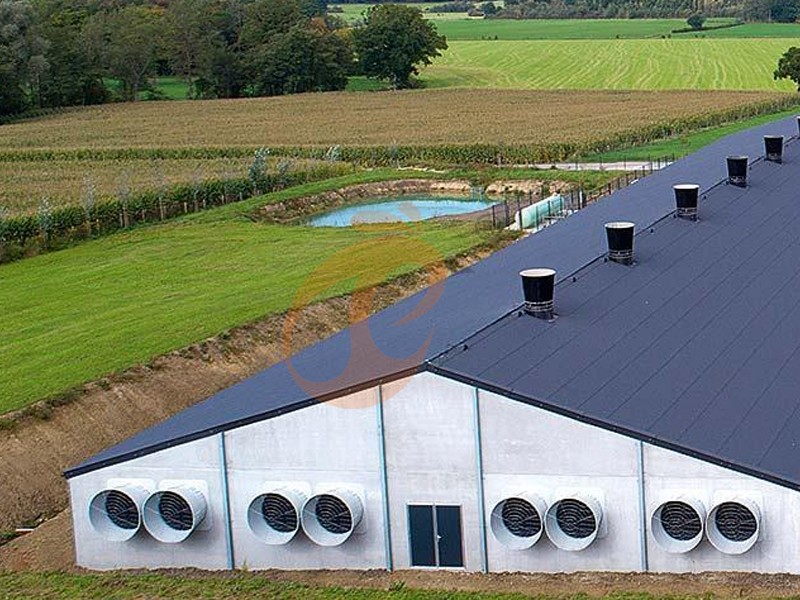
Choosing between egg production and meat production is the first business decision.
Both models offer commercial opportunities, but differ in production cycles, equipment, and revenue patterns.
1.1 Compare Layer Farming Vs Broiler Farming
Layer farming: Commercial hens generally begin laying at 18–21 weeks and provide recurring egg revenue.
Broiler farming: Meat chickens commonly reach processing age within 35–49 days, depending on genetics and target weight.
Data is for reference only.Swipe horizontally to view full table.
Which system suits your investment? Layers favor regular egg sales, while broilers offer shorter production cycles.
2. Conducting Market Research For A Successful Chicken Farm
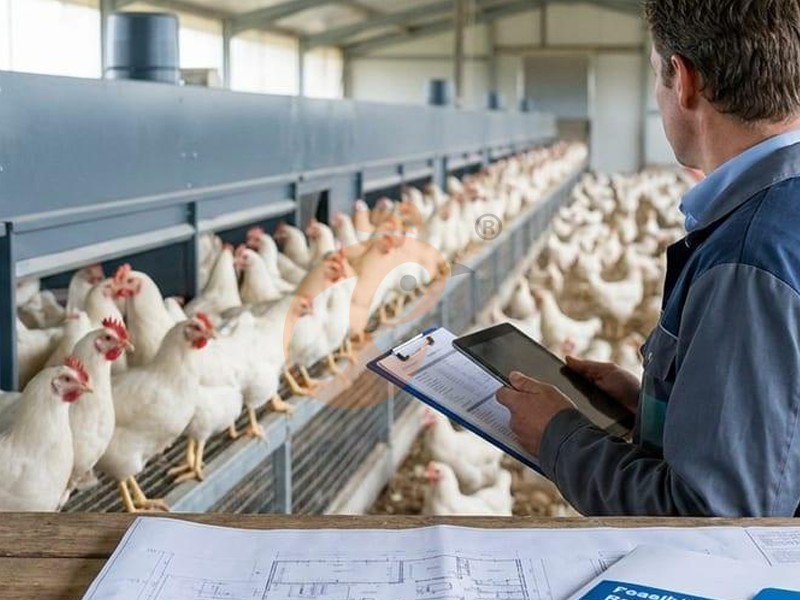
Market research identifies potential buyers before construction begins.
Evaluate supermarkets, restaurants, wholesalers, and food processors to understand purchasing requirements.
2.1 Analyze Local Market Demand
Contact prospective buyers and investigate wholesale prices, packaging preferences, delivery schedules, and competing suppliers.
Data is for reference only.Swipe horizontally to view full table.
These are suggested research targets rather than universal market averages.
Secure preliminary purchase agreements before committing to large-scale production.
For commercial poultry projects, selecting suitable Automatic Poultry Feeding Equipment helps match production capacity with feed distribution requirements and long-term operating plans.
Get professional poultry farm construction guidance, equipment selection solutions, and the latest price lists. WhatsApp to +8618830120193.
3. Determining Farm Size And Calculating Startup Costs
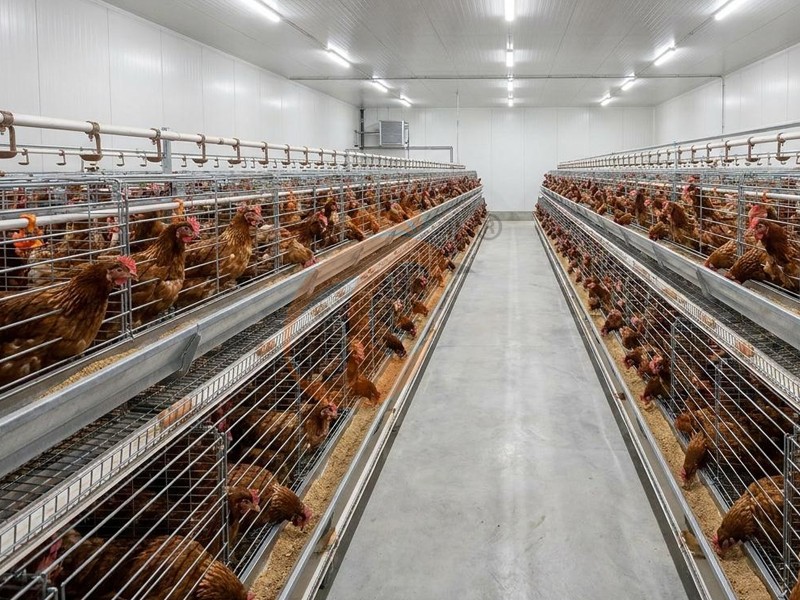
Farm capacity determines building dimensions, equipment requirements, labor, and working capital.
Beginners should consider phased expansion rather than immediately investing in maximum capacity.
3.1 Select Your Farm Capacity
Data is for reference only.Swipe horizontally to view full table.
3.2 Calculate Startup Investment
Consider land preparation, building construction, chicken cages, automatic feeders, drinking systems, ventilation, chicks, feed, and veterinary services.
Data is for reference only.Swipe horizontally to view full table.
Percentages are indicative planning assumptions, not guaranteed project costs.
4. Choosing The Right Location And Designing An Efficient Chicken House
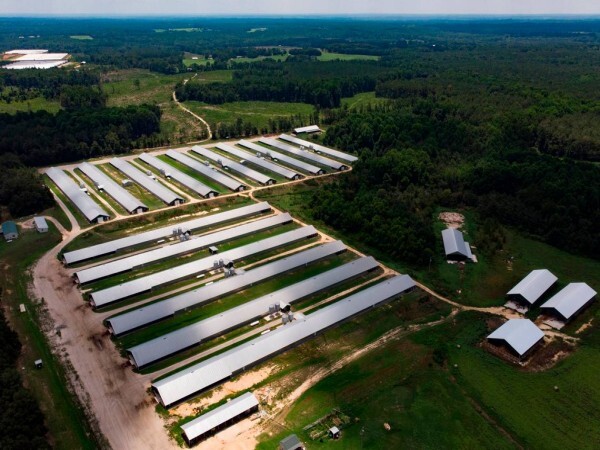
Location affects flock health, transportation, and operating efficiency.
Prioritize reliable water, stable electricity, drainage, road access, and regulatory approval.
4.1 Step 4: Select a Suitable Location
Check water quality, electrical capacity, environmental permits, manure disposal arrangements, and separation from potential disease sources.
4.2 Step 5: Design an Efficient Chicken House
A properly engineered building requires suitable insulation, ventilation, cooling, and lighting.
For example, a 40-foot-wide broiler house may operate with static pressure around 0.08–0.12 inches of water column, depending on its ventilation design.
Data is for reference only.Swipe horizontally to view full table.
Engineering values are illustrative references; final specifications depend on climate, building structure, and fan performance.
5. Selecting Poultry Equipment, Purchasing Chicks, And Planning Disease Prevention
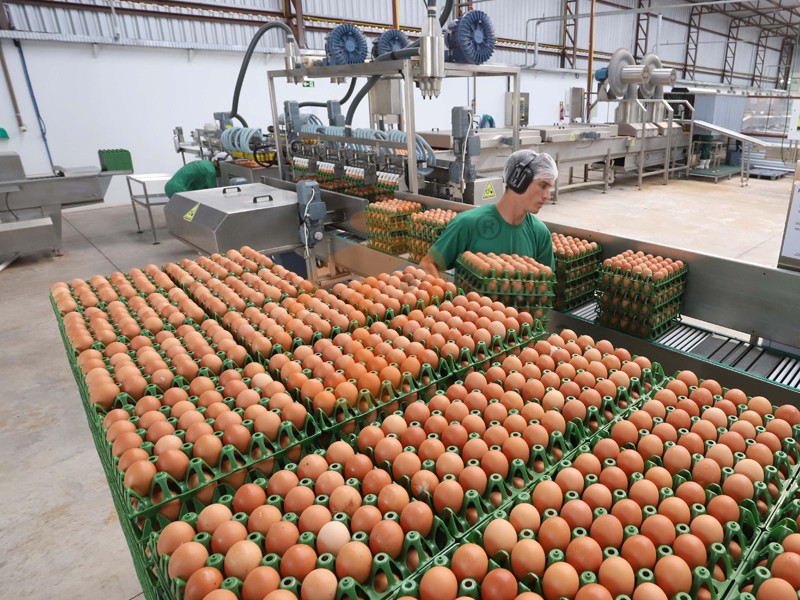
Equipment selection determines daily production efficiency.
Commercial farms need coordinated feeding, drinking, ventilation, manure handling, and environmental monitoring systems.
5.1 Step 6: Select Essential Poultry Equipment
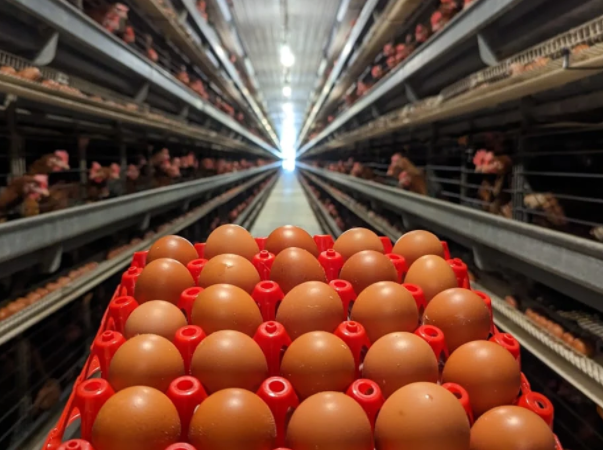
Chicken cages: Layer cage systems organize housing, feeding, drinking, and manure collection; cage-free alternatives should be evaluated against local welfare regulations.
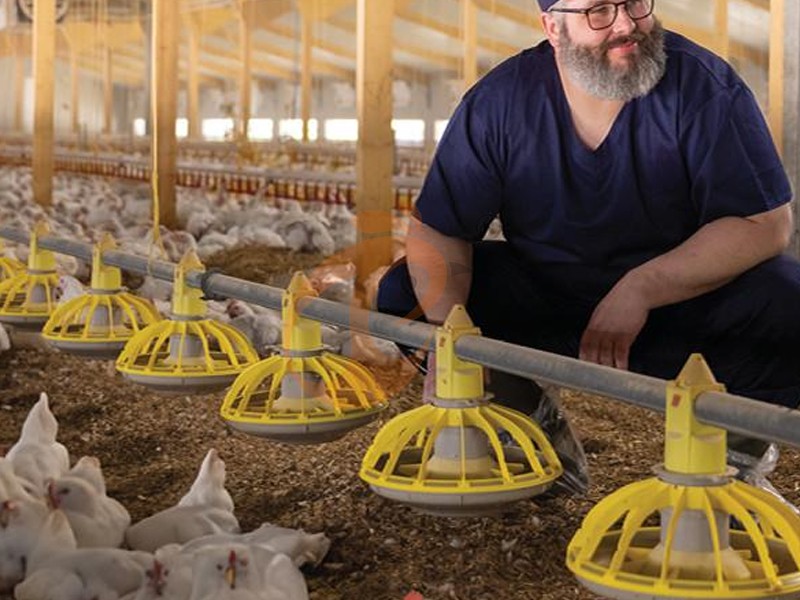
Feeding equipment: Feed silos, augers, distribution pipes, and automatic pan feeders.
Drinking systems: Nipple drinkers, filters, and pressure regulators.
Environmental equipment: Exhaust fans, cooling pads, sensors, and controllers.
Egg collection: Conveyor belts, elevators, and grading machines.
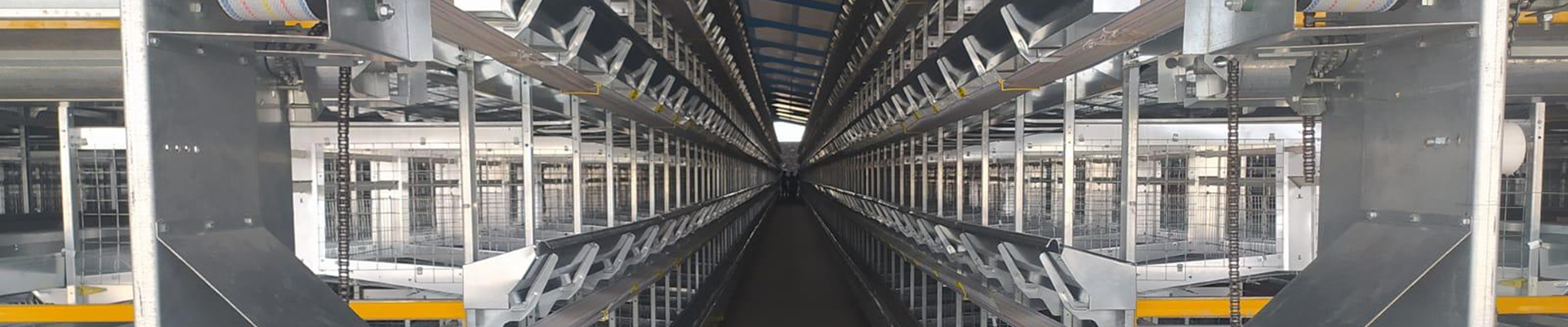
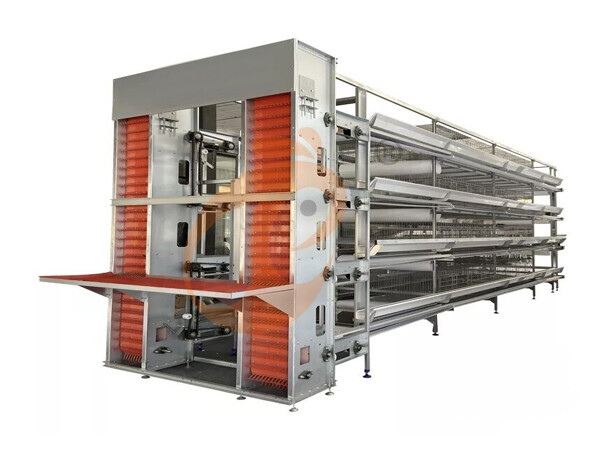
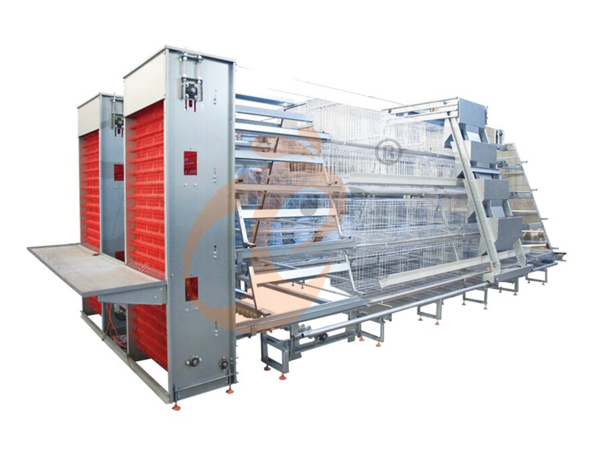
An Automatic Layer Cage System can integrate feeding, drinking, and egg collection for organized commercial production.
5.2 Step 7: Purchase Healthy Chicks And Prevent Diseases
Purchase chicks from reputable hatcheries with documented breed and vaccination information.
Initial brooding temperatures commonly range from 90–95°F, with weekly reductions of approximately 5°F according to chick condition.
Data is for reference only.Swipe horizontally to view full table.
Establish veterinary-approved vaccination, visitor control, equipment disinfection, and rodent management procedures.
Record mortality and abnormal behavior every day.
Get professional poultry farm construction guidance, equipment selection solutions, and the latest price lists. WhatsApp to +8618830120193.
6. Building Sales Channels And Managing Daily Poultry Farm Operations
Successful production requires reliable customers and standardized management.
Develop sales relationships before expanding flock capacity.
6.1 Step 8: Build Reliable Sales Channels
Distribute products through supermarkets, restaurants, wholesalers, and processing facilities.
Establish clear product specifications and payment terms.
6.2 Step 9: Manage Daily Farm Operations
Monitor feed consumption, water availability, temperature, egg collection, and bird health.
Data is for reference only.Swipe horizontally to view full table.
6.3 Step 10: Monitor Performance and Expand
Track feed conversion ratio, mortality, average body weight, and laying rate.
A Taiyu Group (HK) Automatic Poultry Feeding System can support integrated feeding arrangements as commercial capacity increases.
Planning a 100,000-bird commercial project?
Access professional construction guidance, customized equipment solutions, and updated price lists via WhatsApp: +8618830120193.
Frequently Asked Questions
Q1: How much money do i need to start a poultry farm?
Investment depends on land, construction, equipment, chicks, feed, and operating reserves.
Obtain local quotations and prepare a detailed financial forecast before construction.
Q2: How many chickens should beginners raise?
An initial capacity of 1,000–5,000 birds can provide a manageable commercial starting point before expanding toward larger operations.
3. Are chicken cages necessary for commercial farming?
Chicken cages can improve feeding and egg collection organization in layer farms, but cage-free systems may be required by certain markets and welfare regulations.
Taiyu (HK) Group - One Of China's Largest Poultry Equipment Suppliers
Poultry farm equipment integrates feeding and drinking for 10,000–100,000+ birds across commercial projects.
Global factory-direct supply delivers 2–3 equipment categories with customized engineering specifications.
Turn-key engineering covers 1,000–100,000+ birds and complete house installation planning.
Automated poultry equipment integrates 3–5 production systems with coordinated electrical controls.
International project support provides customized drawings, installation guidance, and 24-hour technical coordination.
Contact Us To Received Your Customized Poultry Farm Plan
Headquarters And Branchs

Hong Kong Headquarter Management Team
Hong Kong Headquarter Taiyu Industrial Group CO., LTD
China Hebei Best Machinery And Equipment CO., LTD
Nigeria Vanke Machinery And Equipment CO., LTD
Tanzania Best Machinery And Equipment CO., LTD
Ethiopia Best Hebei Machinery Manufacturing PLC




Reception /24 WhatsApp NO. : +8618830120193
PRODUCTS RECOMMENDED
 China Branch Manufacture Poultry Farm EquipmentRead More
 Ethiopia Branch Manufacture Poultry Farm EquipmentRead More
 Nigeria Branch Manufacture Poultry Farm EquipmentRead More
 Tanzania Branch Manufacture Poultry Farm EquipmentRead More
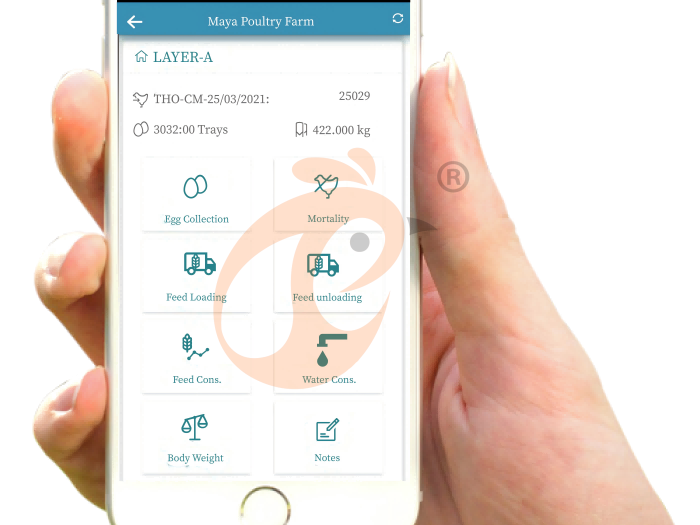
 IoT Smart Poultry FarmRead More
 >30,000 Layers Automatic H Type Battery CageRead More
 10,000 - 30,000 Layers Automatic A Type Battery CageRead More
MESSAGE
NEWS
 50,000 - 100,000 chickens/house: poultry farm solution, chicken cage, poultry farm equipment, AI smart managementRead More
 30,000 - 50,000 chickens/house: poultry farm solution, chicken cage, poultry farm equipment, AI smart managementRead More
 10,000 - 30,000 chickens/house: poultry farm solution, chicken cage, poultry farm equipment, AI smart managementRead More
 100 - 10,000 chickens/house: poultry farm solution, chicken cage, poultry farm equipment, AI smart managementRead More