

BLOG
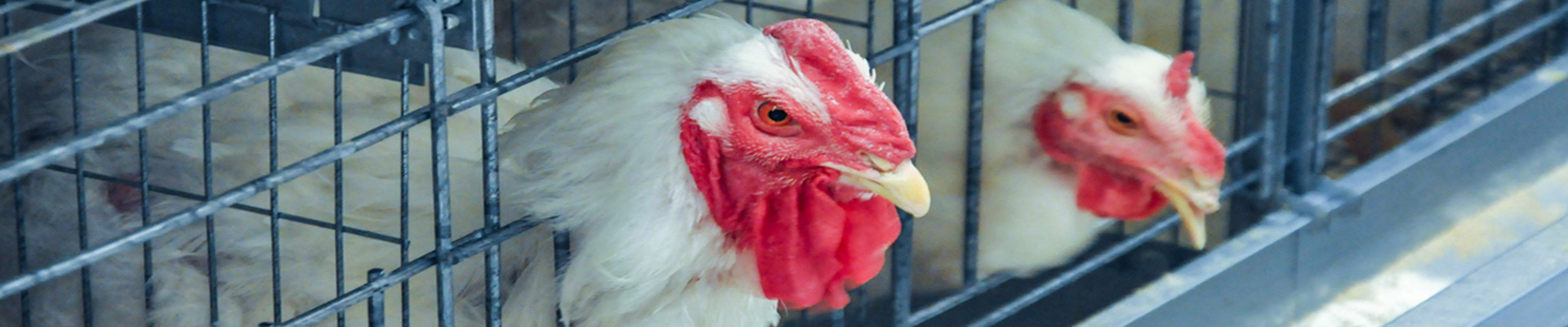
Poultry cage cost Ethiopia analysis focuses on long-term savings and efficiency.
Compares cheap cages and heavy-duty systems in Ethiopian farming conditions.
Evaluates corrosion resistance, structural durability, and production efficiency.
Highlights feed savings, egg quality, and labor optimization impacts.
Provides financial comparison using Ethiopian Birr (ETB) over ten years.
Addresses local challenges such as climate, maintenance, and supply chains.
Get professional poultry farm construction guidance, equipment selection solutions, and the latest price lists, whatsApp to +8618830120193, click to learn more:

Ethiopia Branch Office And Factory Of Poultry Farm Equipment
Material Science: Galvanization And Corrosion In Ethiopia
The primary threat to any poultry cage in Ethiopia is corrosion caused by ammonia and humidity during the rainy season.
Cheap cages use cold-galvanized or painted steel, degrading within two years.
Heavy-duty systems use hot-dip galvanized steel with thicker zinc coatings, ensuring long-term durability and hygiene.
In practice, the zinc layer determines whether a cage survives multiple production cycles or fails during early operation.
Data is for reference only.Swipe horizontally to view full table.
A higher coating standard directly reduces replacement frequency and improves hygiene control in Ethiopian poultry environments.
Structural Integrity: Wire Diameter And Weight Loading
Each cage unit must support concentrated load without deformation.
Cheap cages use thinner wire, leading to sagging floors and egg loss.
Heavy-duty systems use high-tensile wire, improving stability and lifespan.
Structural failure is not gradual; once deformation starts, production losses accelerate rapidly.
Data is for reference only.Swipe horizontally to view full table.
Selecting stronger wire diameters ensures operational stability, especially where spare parts are difficult to source locally.
Egg Breakage Control: Slope And Mesh Precision
Egg loss directly affects profitability in poultry farming Ethiopia.
Cheap cages often have inconsistent slope angles, increasing breakage.
Heavy-duty cages maintain calibrated slope and flexible mesh to protect eggs.
Even small percentage differences in breakage translate into significant revenue gaps over time.
Data is for reference only.Swipe horizontally to view full table.
Precision engineering in cage design minimizes hidden losses that farmers often underestimate at the beginning.
Feed Efficiency And Wastage Control
Feed accounts for up to 75% of poultry production cost in Ethiopia.
Cheap cages result in higher feed wastage due to shallow troughs.
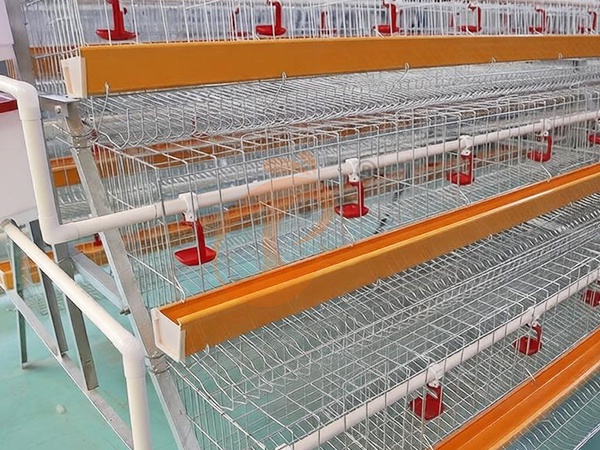
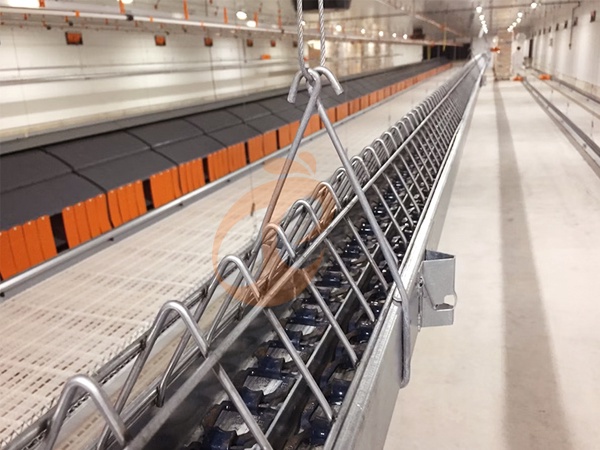
Heavy-duty cages use deeper troughs and anti-waste design, improving feed conversion efficiency (FCR).
Feed loss is continuous and cumulative, making it one of the most critical hidden costs.
Data is for reference only.Swipe horizontally to view full table.
Reducing feed wastage provides immediate financial return and stabilizes long-term operating margins.
Biosecurity And Bird Health Management
Mite infestation is a major challenge in chicken cage systems across Ethiopia.
Cheap cages with porous surfaces allow parasites to multiply.
Heavy-duty cages provide smooth surfaces for effective disinfection and improved flock health.
Health risks often remain invisible until production drops significantly.
Data is for reference only.Swipe horizontally to view full table.
Improved biosecurity reduces medical intervention costs and supports consistent egg production levels.
Water System Reliability And Hygiene
Water management plays a critical role in poultry cage cost Ethiopia calculations.
Cheap systems often leak, increasing ammonia levels.
Heavy-duty systems maintain stable flow and reduce contamination risks.
Water leakage affects both bird health and working conditions inside the poultry house.
Data is for reference only.Swipe horizontally to view full table.
Stable water systems help maintain dry environments and reduce ammonia-related stress in birds.
Labor Efficiency And Manure Management
Labor optimization is essential for scaling poultry farming Ethiopia operations.
Cheap cages require frequent manual cleaning.
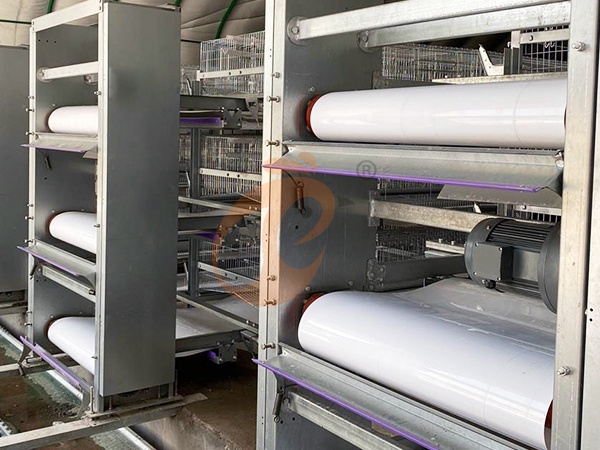
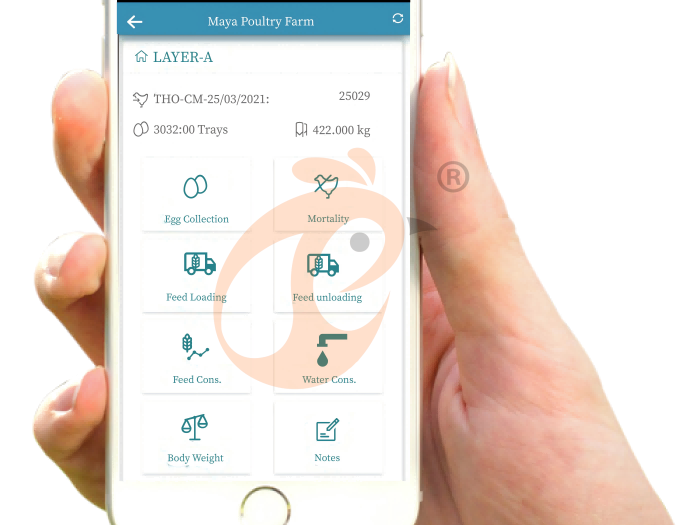
Heavy-duty systems use reinforced belts and automation, reducing labor needs and enabling future integration with IoT monitoring systems.
Labor inefficiency becomes a bottleneck when farm size increases beyond small-scale operations.
Data is for reference only.Swipe horizontally to view full table.
Automation reduces dependency on labor while improving consistency in farm hygiene management.
Space Design And Ventilation Performance
Proper space allocation improves productivity and reduces mortality.
Cheap cages maximize density but reduce airflow.
Heavy-duty cages follow optimized design for ventilation and bird comfort.
Ventilation is especially critical in high-altitude regions of Ethiopia where oxygen levels are lower.
Data is for reference only.Swipe horizontally to view full table.
Better space design supports bird welfare and ensures stable productivity throughout the laying cycle.
Maintenance And Spare Parts Availability
In Ethiopia, spare parts access is limited due to import constraints.
Cheap cages lack standardization, making repairs difficult.
Heavy-duty cages use modular components, simplifying maintenance and reducing downtime.
Reliable maintenance planning reduces unexpected operational interruptions.
Financial Comparison: Long-Term Cost Analysis
From a financial perspective, chicken cage investment Ethiopia decisions must consider both capital expenditure and operating costs.
Cheap cages appear affordable initially but require multiple replacements and incur higher losses.
Heavy-duty systems provide long-term savings.
This comparison reflects the true cost structure over a typical farm lifecycle.
Data is for reference only.Swipe horizontally to view full table.
European union standard reference only.
Long-term cost analysis confirms that higher upfront investment results in lower total expenditure and improved profitability.
Sustainability And Resale Value
Heavy-duty chicken cage systems function as long-term productive assets rather than consumables.
With a service life of 25+ years under Ethiopian conditions, these systems typically retain 60%–70% of their original value after five years, creating a secondary market advantage for farmers planning expansion or exit.
In contrast, cheap cages often lose structural integrity within 2–3 years, with resale value limited to scrap metal recovery at a fraction of the initial cost.
For farmers operating under capital constraints, asset liquidity and depreciation control are critical financial considerations.
Strategic Investment Choice For Ethiopian Farmers
The decision between cheap and heavy-duty chicken cage systems is fundamentally a choice between short-term savings and long-term profitability.
While cheap cages reduce initial investment, they introduce recurring costs through feed loss, higher mortality, and frequent replacement.
Heavy-duty systems optimize production efficiency, stabilize output, and reduce operational risks.
Under Ethiopia's current feed price pressure and supply chain limitations, investing in durable infrastructure provides measurable economic advantages over a full production cycle.
Frequently Asked Questions
Q1: Is heavy-duty chicken cage suitable for Ethiopia climate conditions?
A1: Yes.
Hot-dip galvanized cages resist humidity and ammonia, making them suitable for rainy and highland regions such as Oromia and Amhara.
Q2: Why do cheap cages lead to higher costs in Ethiopia?
A2: Due to frequent replacement, feed wastage, and higher mortality, total operating cost increases significantly over time.
Q3:Which system is better for small-scale farmers in Ethiopia?
A3: Heavy-duty systems are more efficient even at smaller scale because they reduce labor, improve egg quality, and ensure stable production output.
Ethiopia Best Hebei Machinery Manufacturing Plc - One Of Ethiopia Largest Poultry Cage Supplier
Provides global factory direct supply with consistent manufacturing quality and cost control advantages.
Offers complete poultry farm equipment including feeding, drinking, ventilation, and manure systems integration.
Specializes in durable poultry cage systems designed for long-term African farming conditions.
Delivers full Turn-key engineering solutions from farm design to installation and training services.
Ensures reliable after-sales support with standardized parts and technical guidance for sustainable operations.
Contact Us To Received Your Customized Poultry Farm Plan
Headquarters And Branchs

Hong Kong Headquarter Management Team
Hong Kong Headquarter Taiyu Industrial Group CO., LTD
China Hebei Best Machinery And Equipment CO., LTD
Nigeria Vanke Machinery And Equipment CO., LTD
Tanzania Best Machinery And Equipment CO., LTD
Ethiopia Best Hebei Machinery Manufacturing PLC




Reception /24 WhatsApp NO. : +8618830120193
PRODUCTS RECOMMENDED
 China Branch Manufacture Poultry Farm EquipmentRead More
 Ethiopia Branch Manufacture Poultry Farm EquipmentRead More
 Nigeria Branch Manufacture Poultry Farm EquipmentRead More
 Tanzania Branch Manufacture Poultry Farm EquipmentRead More
 IoT Smart Poultry FarmRead More
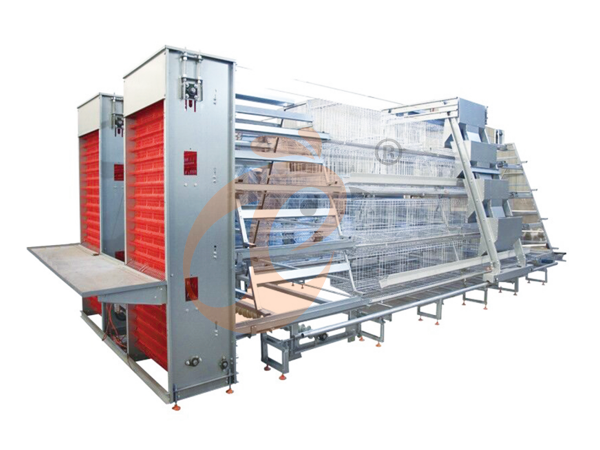
 >30,000 Layers Automatic H Type Battery CageRead More
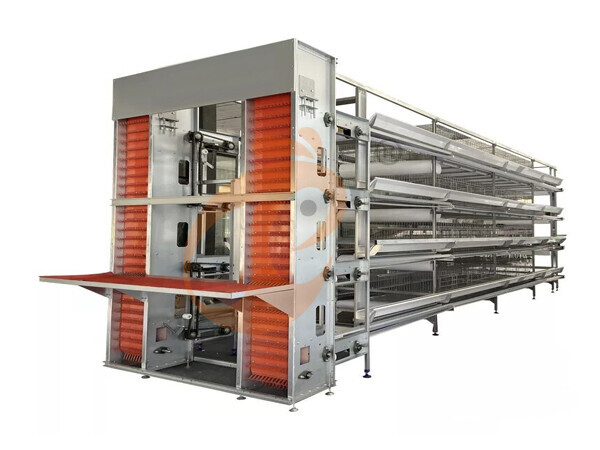
 10,000 - 30,000 Layers Automatic A Type Battery CageRead More
MESSAGE
NEWS
 Automatic Manure Removal Equipment Buying Guide: Brand, Price & Popular Search KeywordsRead More
 Automatic Poultry Water System Buying Guide: Price, Cleaning & Frequently Asked QuestionsRead More
 Automatic Poultry Feeding System Buying Guide: Price, Cost Saving & User Hot SearchesRead More
 Cheap Vs Heavy-Duty Poultry Cage In Ethiopia: Which Saves More Cost Long-Term?Read More