

BLOG
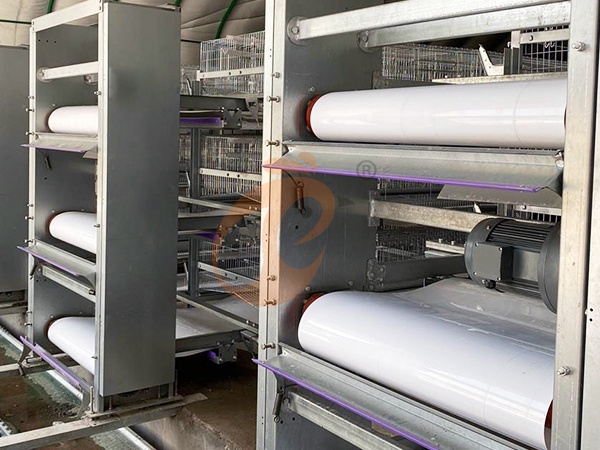
Automatic manure removal equipment buying guide provides engineering-based selection criteria for poultry farms requiring continuous manure discharge automation across layer, broiler, breeder, and turkey housing systems
System design integrates belt conveyor, scraper, auger, and hydraulic flush mechanisms calibrated for controlled manure transport and structural compatibility in high-density poultry environments
Equipment configuration is determined by daily manure output per bird, cage tier architecture, ventilation airflow design, and motor torque allocation per line
- Technical focus includes cycle interval optimization, ammonia concentration control, and mechanical durability under long-term continuous operation conditions
Get professional poultry farm construction guidance, equipment selection solutions, and the latest price lists, whatsApp to +8618830120193, click to learn more:
Poultry Farm System Architecture And Equipment Types
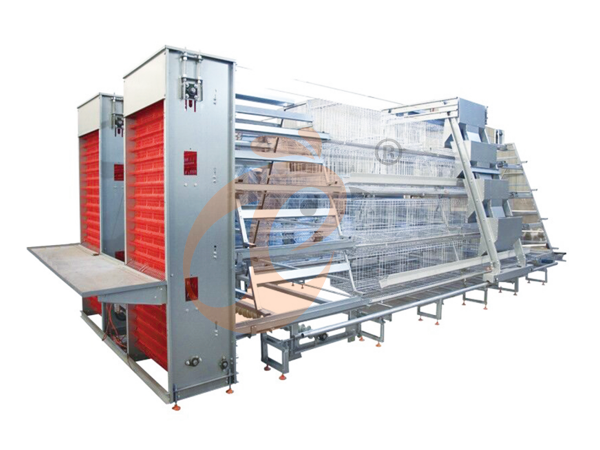
Automatic manure removal equipment in poultry houses is engineered around manure transport distance structural layout and cage tier configuration
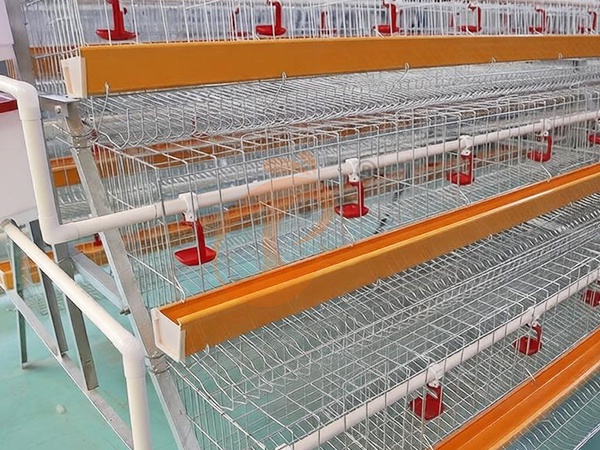
Systems are typically integrated under multi-tier battery cages or floor-based poultry housing units
Mechanical transmission design determines throughput capacity and cycle stability
Data is for reference only.Swipe horizontally to view full table.
Poultry Manure Load And Engineering Parameters
Poultry manure output defines mechanical load requirements and motor torque selection
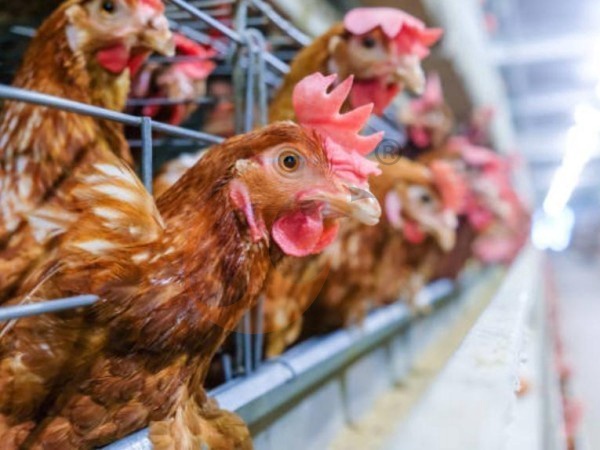
Layer houses show higher continuous manure accumulation due to constant production cycles
Environmental stability depends on controlled removal intervals and moisture regulation
Data is for reference only.Swipe horizontally to view full table.
Manure Removal Technology Performance Comparison
System efficiency depends on drive speed belt friction coefficient and structural slope design
Continuous belt systems maintain stable removal cycles across multi-tier poultry houses
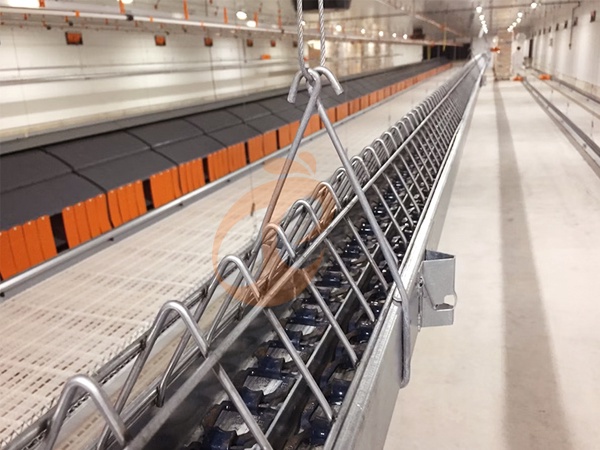
Scraper systems are designed for shorter house layouts with concentrated manure zones
Data is for reference only.Swipe horizontally to view full table.
Poultry Equipment Price Structure Analysis
Automatic manure removal equipment pricing is determined by house length motor power and automation control architecture
Larger poultry farms require multi-line synchronized control systems for uniform manure discharge
Industrial investment planning must consider installation labor and electrical integration cost
Data is for reference only.Swipe horizontally to view full table.
Installation Engineering Requirements
Poultry housing structure requires precise alignment of manure discharge lanes and drive shaft calibration
Slope deviation affects belt tracking stability and mechanical load distribution
Ventilation integration influences corrosion rate and system lifespan
Data is for reference only.Swipe horizontally to view full table.
Environmental Control Performance In Poultry Houses
Manure removal frequency directly affects ammonia concentration and bacterial growth rate
Controlled removal cycles improve litter dryness and reduce respiratory stress factors in poultry flocks
Ventilation and manure transport must operate as integrated environmental systems
Data is for reference only.Swipe horizontally to view full table.
Energy Consumption And Motor Load Analysis
Motor torque selection determines energy efficiency and long-term operational cost structure
Multi-cycle daily operation requires stable voltage input and overload protection systems
Energy optimization is achieved through synchronized control timing across multiple poultry rows
Data is for reference only.Swipe horizontally to view full table.
Brand Engineering Specifications And System Compatibility
Engineering compatibility depends on cage tier configuration structural load capacity and automation logic integration
Large-scale poultry operations require centralized PLC control systems for synchronized manure discharge
Mechanical design differences affect installation adaptability across poultry housing formats
Data is for reference only.Swipe horizontally to view full table.
Maintenance Engineering And Failure Analysis
Mechanical wear patterns depend on humidity exposure cycle frequency and manure chemical composition
Gearbox lubrication interval and belt tension calibration determine long-term operational stability
Preventive maintenance scheduling reduces downtime in continuous poultry production systems
Data is for reference only.Swipe horizontally to view full table.
Poultry Farm Procurement Keywords Integration
Automatic manure removal system procurement demand concentrates on cage system integration and environmental optimization requirements
Belt driven manure conveyor system poultry farm automation poultry manure scraper system poultry cage cleaning equipment manure removal system poultry house design optimization
Frequently Asked Questions
Q1: What is the optimal system for layer poultry houses?
Layer poultry houses typically use belt conveyor systems integrated under multi-tier cage structures
Cycle synchronization every 4 to 6 hours maintains stable ammonia concentration and reduces litter saturation
Q2: How is equipment capacity calculated for large poultry farms?
Capacity calculation is based on daily manure output per bird multiplied by total stocking density
Engineering design includes safety factor margin between 1.2 and 1.5 for peak production cycles
Q3: What factors affect long term maintenance cost?
Maintenance cost is influenced by humidity corrosion rate motor load cycles and belt tension degradation
High density poultry environments require more frequent lubrication and component calibration
Taiyu (HK) Group - One Of China Most Famous Automatic Manure Removal Equipment Manufacturer
Automatic manure removal system for poultry cage house integrated engineering solution
Global factory direct production with standardized poultry equipment manufacturing system
Turn key poultry farm automation engineering covering layout design installation and commissioning
Poultry cage integrated manure belt conveyor system for industrial layer and broiler farms
Export oriented poultry equipment manufacturing with full technical documentation and system customization
Contact Us To Received Your Customized Poultry Farm Plan
Headquarters And Branchs

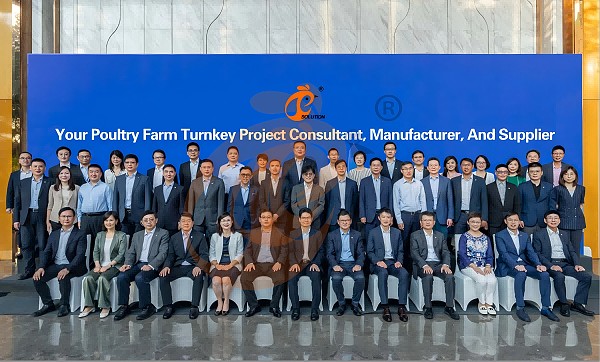
Hong Kong Headquarter Management Team
Hong Kong Headquarter Taiyu Industrial Group CO., LTD
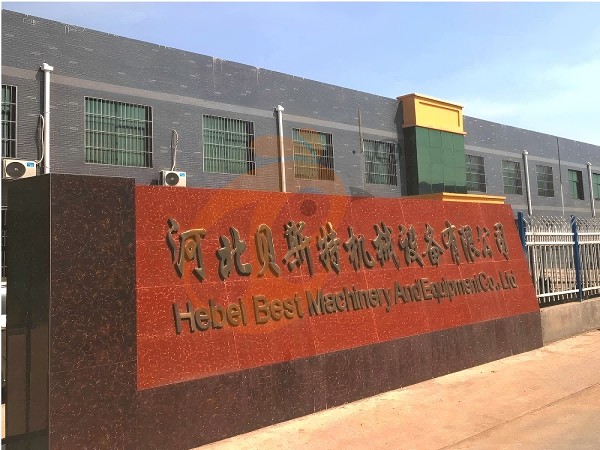
China Hebei Best Machinery And Equipment CO., LTD
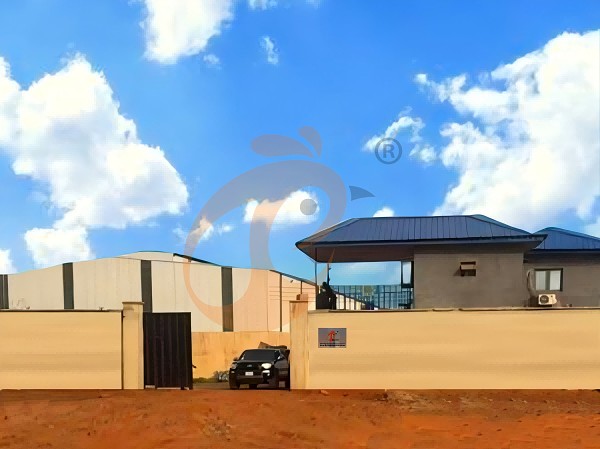
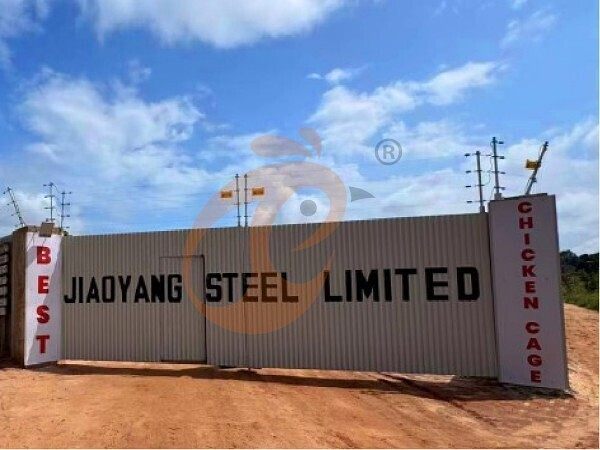
Nigeria Vanke Machinery And Equipment CO., LTD
Tanzania Best Machinery And Equipment CO., LTD
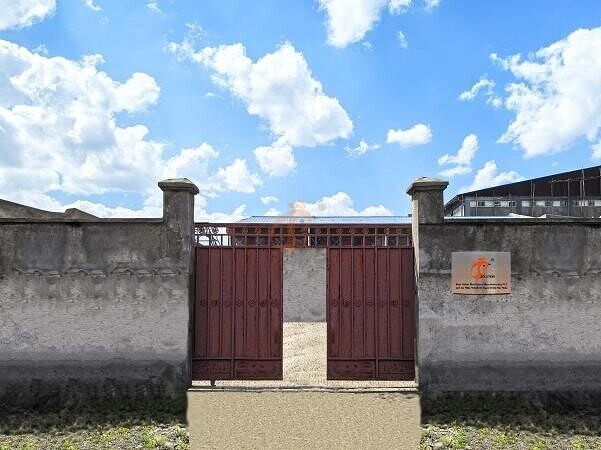
Ethiopia Best Hebei Machinery Manufacturing PLC
Reception /24 WhatsApp NO. : +8618830120193
PRODUCTS RECOMMENDED
 China Branch Manufacture Poultry Farm EquipmentRead More
 Ethiopia Branch Manufacture Poultry Farm EquipmentRead More
 Nigeria Branch Manufacture Poultry Farm EquipmentRead More
 Tanzania Branch Manufacture Poultry Farm EquipmentRead More
 IoT Smart Poultry FarmRead More
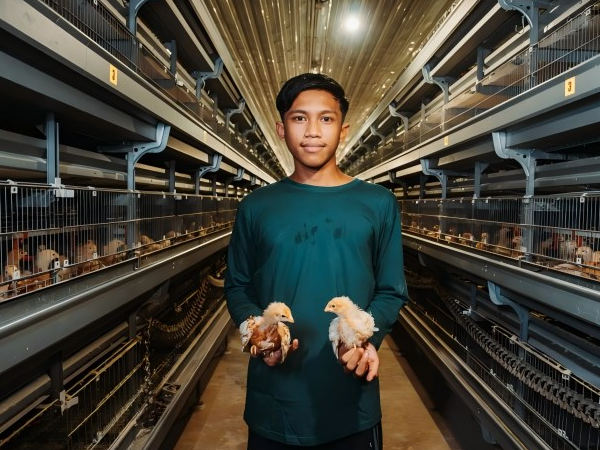
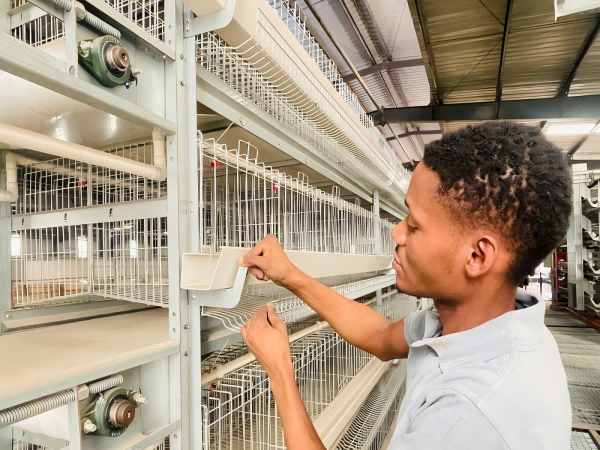
 >30,000 Layers Automatic H Type Battery CageRead More
 10,000 - 30,000 Layers Automatic A Type Battery CageRead More
MESSAGE
NEWS
 Automatic Manure Removal Equipment Buying Guide: Brand, Price & Popular Search KeywordsRead More
 Automatic Poultry Water System Buying Guide: Price, Cleaning & Frequently Asked QuestionsRead More
 Automatic Poultry Feeding System Buying Guide: Price, Cost Saving & User Hot SearchesRead More
 Cheap Vs Heavy-Duty Poultry Cage In Ethiopia: Which Saves More Cost Long-Term?Read More