

NEWS
H type chicken cage combines multi-tier housing, automation, and modular poultry equipment for commercial layer projects.
H type chicken cage planning connects 4–16 tiers with building geometry and labor control.
Vertical layer chicken cage systems provide 3–5 tier configurations with 418 cm²/bird.
Automatic layer chicken cage systems coordinate feeding, drinking, egg collection, and manure handling.
- Integrated equipment planning can support scalable projects from layout through commissioning, with 220/380 v controls, practical maintenance access, efficient workflow, and project-specific capacity calculations for commercial farms seeking disciplined expansion and predictable operating routines across different building dimensions, automation targets, and production requirements for commercial planning.
Get professional poultry farm construction guidance, equipment selection solutions, and the latest price lists, whatsApp to +8618830120193, click to learn more.
Engineering Key Points: Labor, Space, And System Integration
For a commercial layer project, H type chicken cage selection should be calculated together with automation, house geometry, and maintenance access.
A properly engineered H type chicken cage system can combine 4–16 tiers, 220–380 v power, 15–20 years of service life, 50–70% rh control, and 18–27°c environmental control.
the real comparison is therefore not simply h type chicken cage versus vertical cages.
It is how efficiently each configuration converts the available building volume into a controllable egg-production workflow.
Four core interfaces feeding, drinking, egg transfer, and manure removal determine much of the daily labor requirement.
H Type Chicken Cage: Technical Configuration
Data is for reference only.Swipe horizontally to view full table.
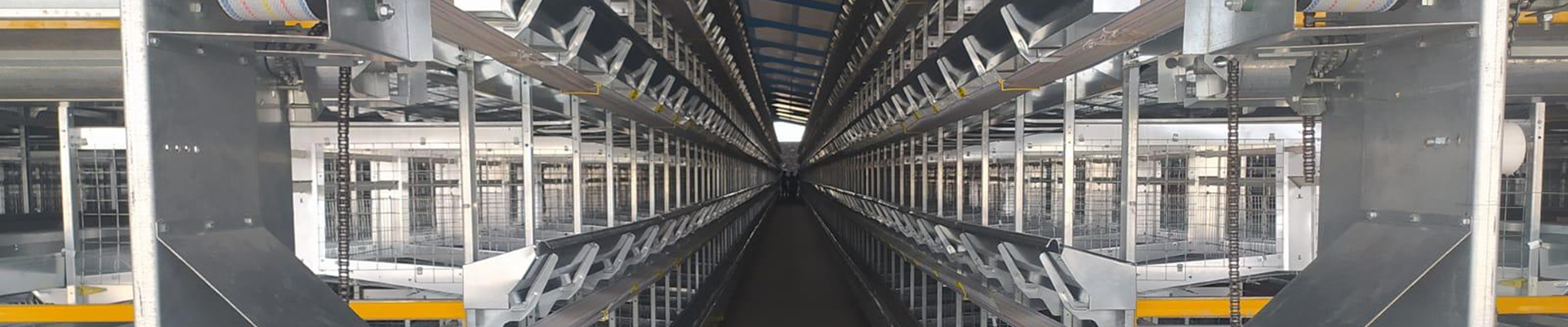
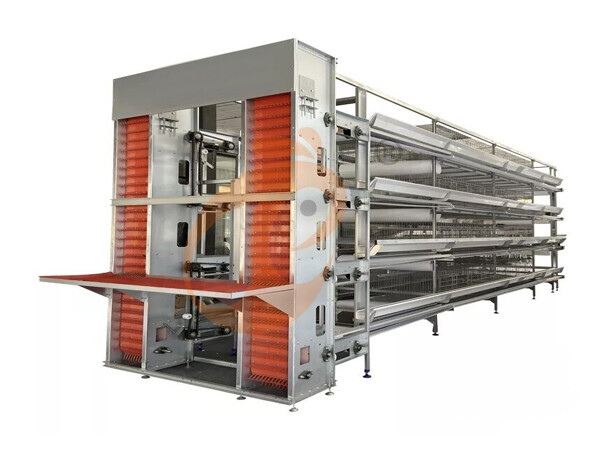
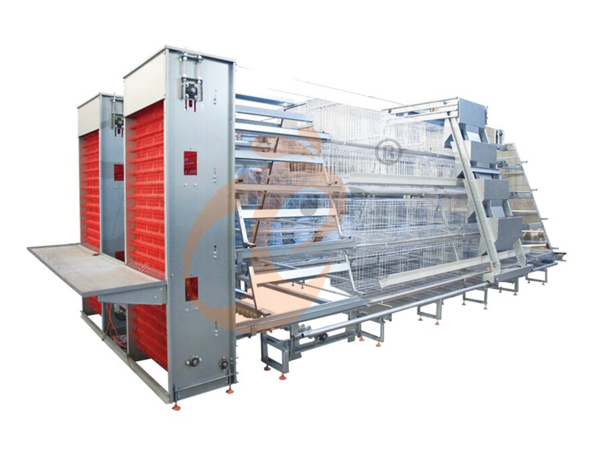
The H type chicken cage is designed around a strong, multi-tier structure.
Its modular layout allows farms to configure cage rows according to house width, bird capacity, and automation requirements.
Four standardized tier configurations—4, 8, 12, and 16—allow the H type chicken cage equipment package to be matched to different building heights and production targets.
Vertical Layer Systems: Space Utilization Data
Data is for reference only.Swipe horizontally to view full table.
Vertical layer systems use stacked tiers to convert building height into usable cage positions.
The actual number of tiers should be matched with structural loading, ventilation, lighting, and service clearance rather than selected solely for maximum capacity.
The three supplied configurations provide 120, 160, or 200 birds per set, depending on the selected tier arrangement.
Workflow Structure: Where Labor Is Removed
A complete H type chicken cage workflow can be organized as feed silo → conveying line → cage trough → nipple line → egg belt → transfer conveyor → collection point → manure belt.
A typical commercial design may use 3–5 days of feed reserve, 1.5–2-minute manure cycles, 7–9° egg-floor slope, and programmable led lighting.
This structure matters because purchasing a H type chicken cage without matching conveying and collection equipment can leave manual handling points between otherwise automated processes.
Our approach is to design the H type chicken cage and supporting equipment as one production line.
Labor Comparison: Quantified Operating Functions
Data is for reference only.Swipe horizontally to view full table.
Automatic feeding, egg collection, and manure removal are the principal H type chicken cage equipment functions for reducing repetitive handling.
Published H type chicken cage systems also specify automatic water delivery and environmental controls as integrated components.
Space Calculation: Building Parameters
Data is for reference only.Swipe horizontally to view full table.
Vertical arrangement can increase usable bird capacity within a planned building footprint.
The supplied specifications show that the H type chicken cage and vertical configuration use different cell dimensions, tier structures, set capacities, and bird-space allocations, so the final layout should be selected according to the target flock size and house dimensions.
Investment Parameters: What Should Be Compared
Data is for reference only.Swipe horizontally to view full table.
The purchase decision should include the H type chicken cage frame, feeding equipment, water system, egg conveyor, manure system, electrical controls, ventilation interface, installation, and future maintenance requirements.
The H type chicken cage configuration should be evaluated together with the complete equipment package rather than by unit price alone.
Trick Card: Five Parameters To Check Before Ordering
Tip 1 — Check the building first record length, width, eave height, ridge height, and column spacing before selecting H type chicken cage equipment.
Tip 2 — Match automation confirm feed-line route, egg-belt route, manure-belt route, drive positions, and control-panel location.
Tip 3 — Verify utilities calculate installed power, water flow, feed storage, ventilation load, and emergency backup capacity.
Tip 4 — Protect maintenance access reserve space for motor replacement, belt adjustment, cage inspection, cleaning, and disinfection.
Tip 5 — Request a complete layout a professional supplier should provide 2d layout, equipment list, power schedule, water-line plan, and installation guidance.
Equipment Combination: Recommended Commercial Package
Data is for reference only.Swipe horizontally to view full table.
For customers purchasing a complete H type chicken cage project, we recommend combining the selected cage configuration with feeding, drinking, egg collection, manure removal, ventilation, lighting, and environmental control.
This approach reduces interface problems during installation and commissioning.
Process Structure: From House To Egg Collection
The recommended H type chicken cage sequence is site measurement → capacity calculation → cage layout → equipment selection → electrical planning → water planning → installation → commissioning → operator training.
Typical projects can then integrate 2–3 nipple drinkers per cage, 1.5–2-minute manure cycles, 10–20 lux lighting, and ±1°c temperature-control accuracy where the selected system supports these specifications.
The equipment should be configured around the farm's actual production workflow.
This is especially important when customers plan future expansion, because row positions, conveyor routes, control cabinets, and utility capacity should be considered before construction.
Which Configuration Matches The Project?
Data is for reference only.Swipe horizontally to view full table.
H type chicken cage equipment provides four supplied tier configurations with corresponding set capacities, while the vertical system provides three configurations.
Selecting between them requires checking the building dimensions, target bird population, equipment layout, and supporting automation as one complete engineering project.
Final Engineering Recommendation
The practical choice should begin with the farm's target capacity rather than the cage name.
A complete H type chicken cage project may combine 20,000, 50,000, or 100,000 birds, 4–16 H type tiers or 3–5 vertical tiers, 220/380 v equipment, 0.5–1.0 m/min manure transport, and 3–5 days of feed storage according to the selected design.
For customers seeking a complete poultry equipment solution, our H type chicken cage systems can be configured with automatic feeding, nipple drinking, egg collection, manure removal, ventilation, lighting, and environmental control.
The objective is to deliver a coordinated system that uses building volume efficiently while reducing repetitive manual operations and simplifying long-term farm management.
Frequently Asked Questions
Q1: What is the main difference between h type chicken cage and vertical layer systems?
A1: H type chicken cage configurations provide 4, 8, 12, or 16 tiers, while the supplied vertical systems provide 3, 4, or 5 tiers.
Q2: How should farms compare space efficiency?
A2: H type chicken cage specifications use 488 cm²/bird, while the supplied vertical configuration uses 418 cm²/bird.
Q3: Can H type chicken cage systems be fully automated?
A3: Yes, H type chicken cage projects can integrate automatic feeding, nipple drinking, egg collection, manure removal, plc control, and ventilation equipment.
Taiyu (HK) Group - One Of China Biggest H Type Chicken Cage Manufacturer
H type chicken cage systems use 4–16 tier configurations, with 128–512 birds per set and 488 cm²/bird in the supplied specifications.
Global factory-direct poultry equipment manufacturing integrates cage systems, feeding lines, drinking systems, egg collection, manure removal, ventilation, and control equipment.
Turn-key engineering follows site measurement, capacity calculation, layout design, equipment manufacturing, installation guidance, commissioning, and operator training.
Poultry equipment projects support commercial farms through coordinated mechanical, electrical, water, ventilation, and automation specifications.
Export-oriented project delivery provides integrated equipment documentation, production coordination, technical support, and international shipment planning.
Contact Us To Received Your Customized Poultry Farm Plan
Headquarters And Branchs
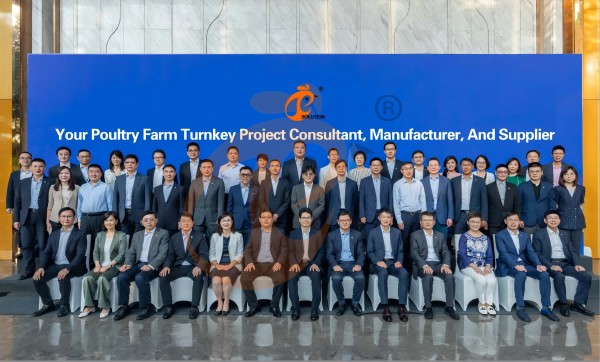
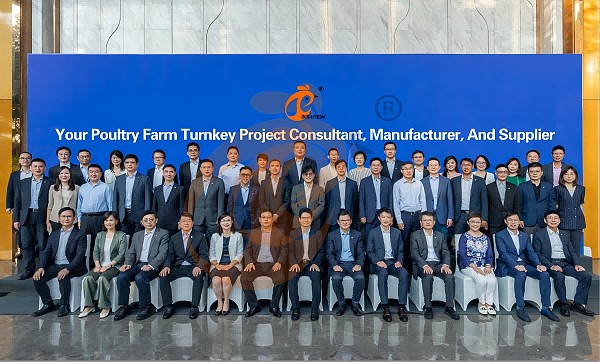
Hong Kong Headquarter Management Team
Hong Kong Headquarter Taiyu Industrial Group CO., LTD
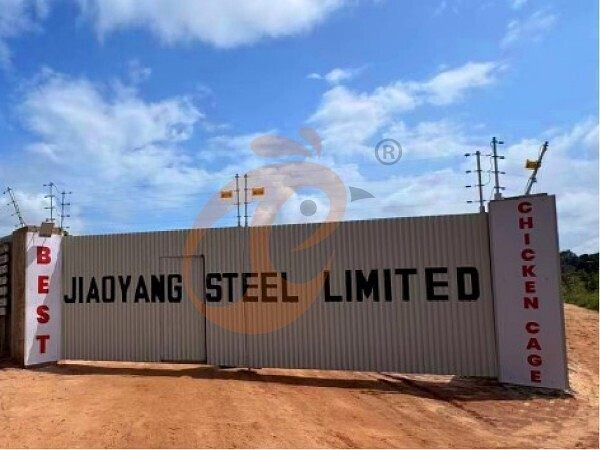
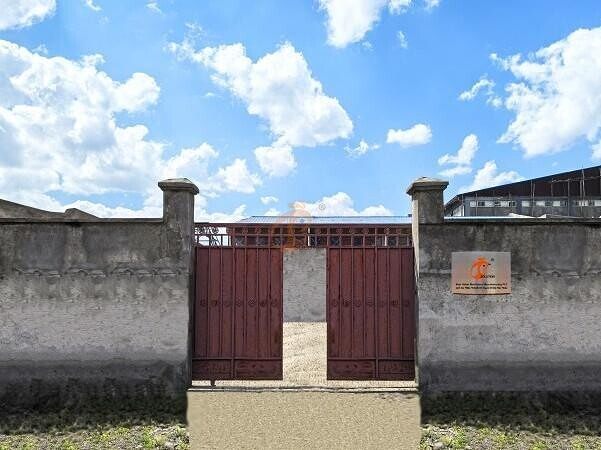
China Hebei Best Machinery And Equipment CO., LTD
Nigeria Vanke Machinery And Equipment CO., LTD
Tanzania Best Machinery And Equipment CO., LTD
Ethiopia Best Hebei Machinery Manufacturing PLC
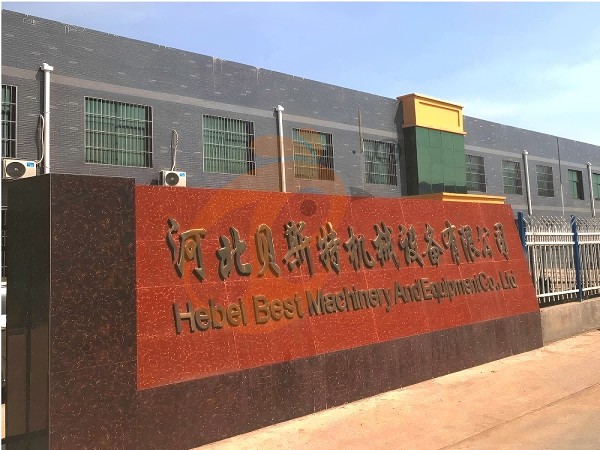
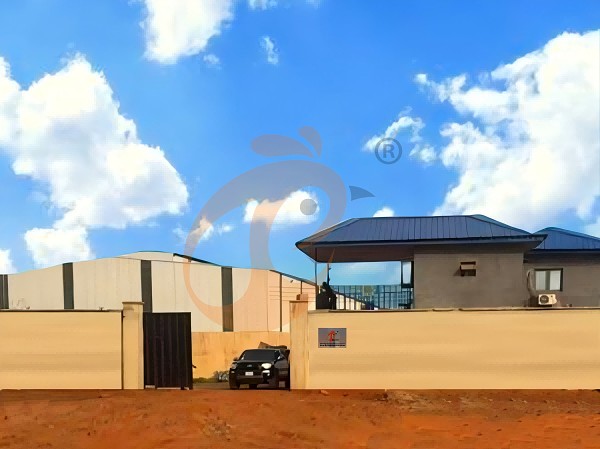
Reception /24 WhatsApp NO. : +8618830120193
PRODUCTS RECOMMENDED
 China Branch Manufacture Poultry Farm EquipmentRead More
 Ethiopia Branch Manufacture Poultry Farm EquipmentRead More
 Nigeria Branch Manufacture Poultry Farm EquipmentRead More
 Tanzania Branch Manufacture Poultry Farm EquipmentRead More
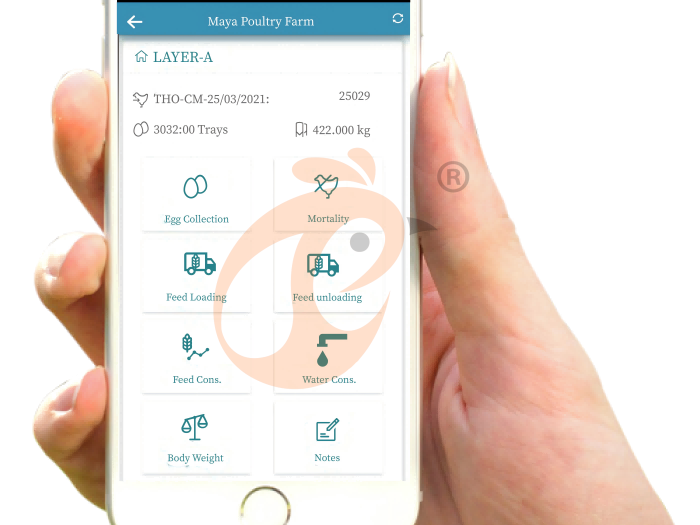
 IoT Smart Poultry FarmRead More
 >30,000 Layers Automatic H Type Battery CageRead More
 10,000 - 30,000 Layers Automatic A Type Battery CageRead More
MESSAGE
NEWS
 50,000 - 100,000 chickens/house: poultry farm solution, chicken cage, poultry farm equipment, AI smart managementRead More
 30,000 - 50,000 chickens/house: poultry farm solution, chicken cage, poultry farm equipment, AI smart managementRead More
 10,000 - 30,000 chickens/house: poultry farm solution, chicken cage, poultry farm equipment, AI smart managementRead More
 100 - 10,000 chickens/house: poultry farm solution, chicken cage, poultry farm equipment, AI smart managementRead More